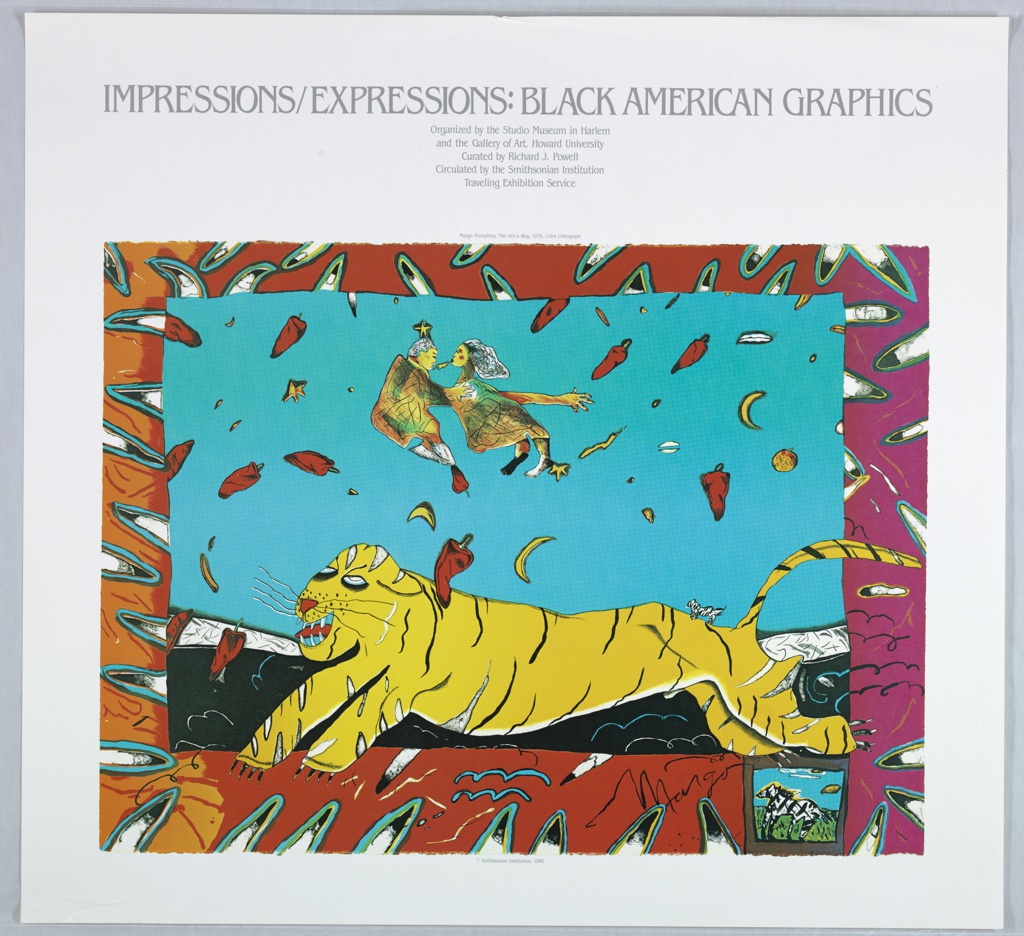
In October of 1979, an exhibition entitled Impressions/Expressions: Black American Graphics opened at the Studio Museum in Harlem. The show, associated with the second annual “Survival of the Black Artist” Fine Arts Festival, later traveled to Howard University—alma mater of the exhibition’s 26 year-old curator, Richard J. Powell.[1] The first survey of its kind, Impressions/Expressions...
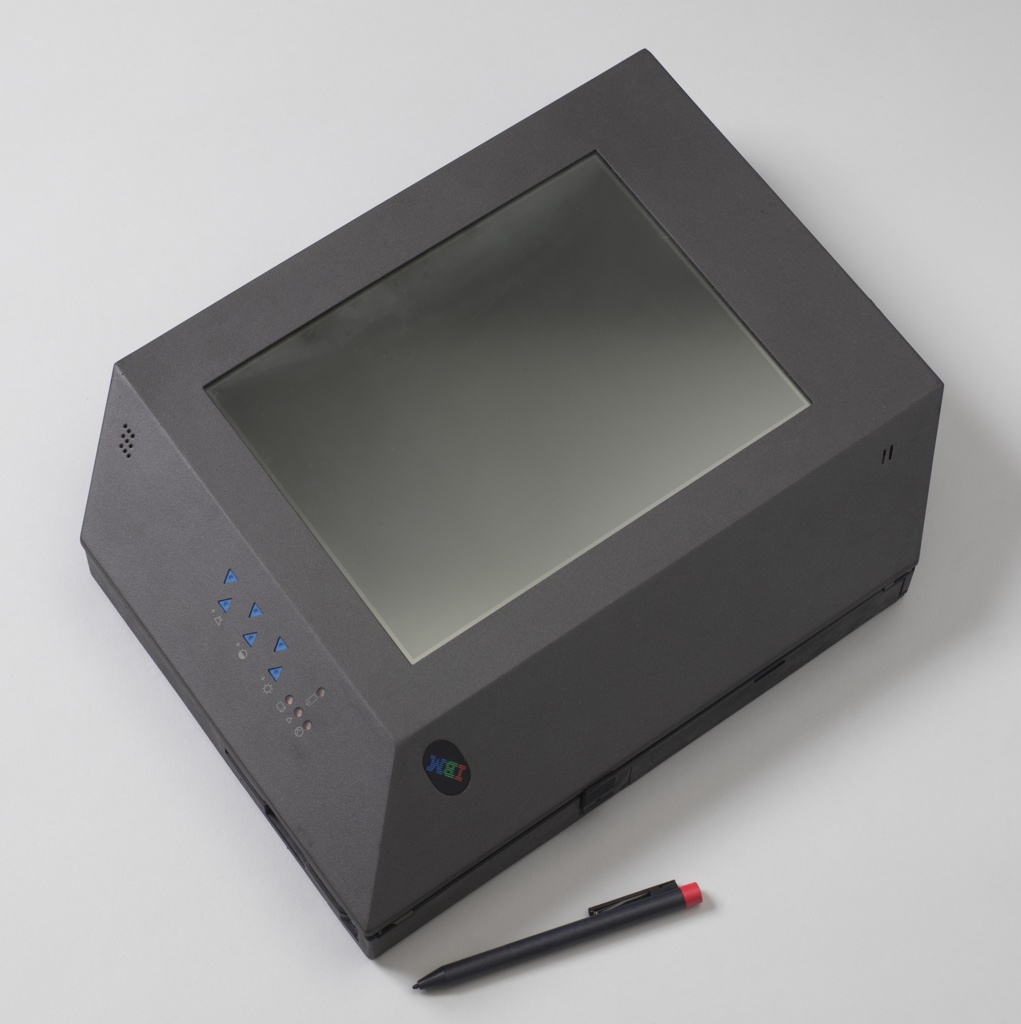
This week’s posts feature case studies from Cooper Hewitt’s Digital Collections Management Project, a conservation survey of born-digital and hybrid objects in the permanent collection. The two-year project was coordinated by an in-house team of conservators, curators, and registrar, and was conducted by digital conservation specialist Cass Fino-Radin and his team at Small Data Industries....

This week’s posts feature case studies from Cooper Hewitt’s Digital Collections Management Project, a conservation survey of born-digital and hybrid objects in the permanent collection. The two-year project was coordinated by an in-house team of conservators, curators, and registrar, and was conducted by digital conservation specialist Cass Fino-Radin and his team at Small Data Industries....

The GRiD Compass laptop was an innovation due to its clamshell case. A media conservator discusses how to assess and maintain the digital elements within.
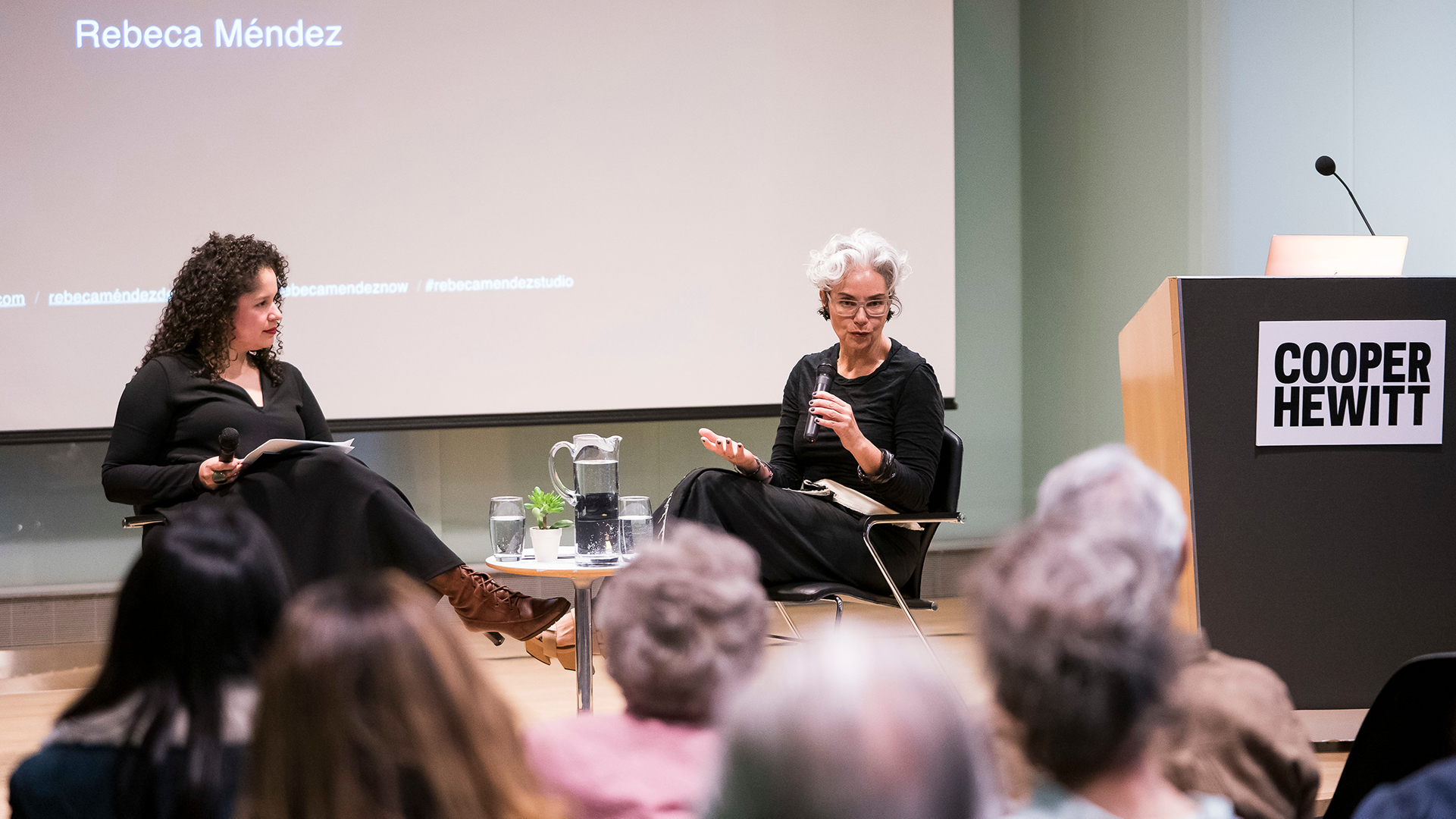
A conversation with designer and artist Rebeca Ménde
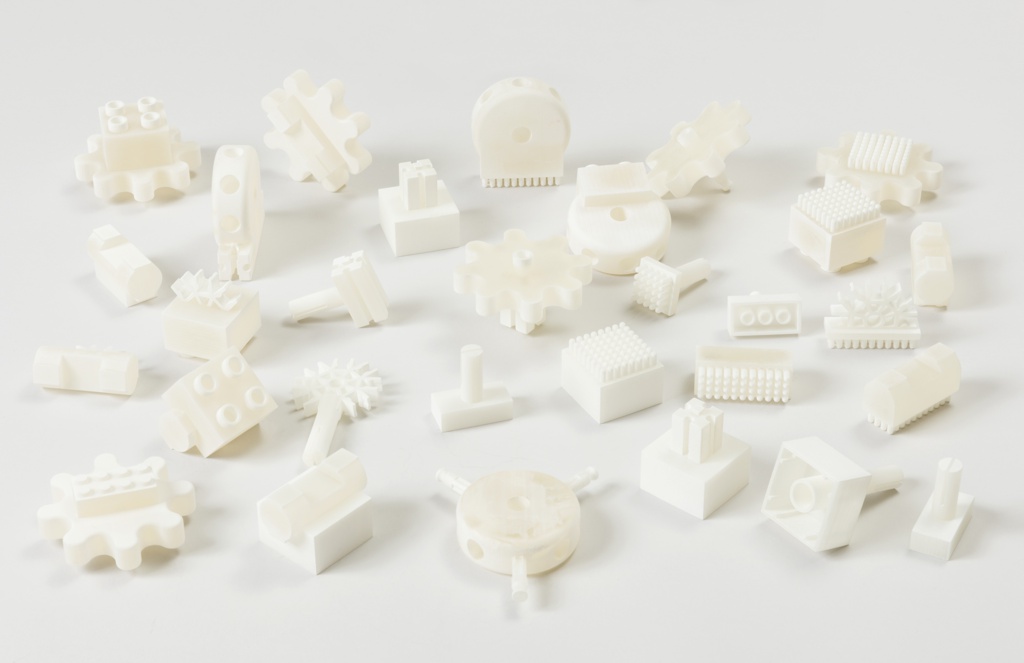
This week’s posts feature case studies from Cooper Hewitt’s Digital Collections Management Project, a conservation survey of born-digital and hybrid objects in the permanent collection. The two-year project was coordinated by an in-house team of conservators, curators, and registrar, and was conducted by digital conservation specialist Cass Fino-Radin and his team at Small Data Industries....

This week’s posts feature case studies from Cooper Hewitt’s Digital Collections Management Project, a conservation survey of born-digital and hybrid objects in the permanent collection. The two-year project was coordinated by an in-house team of conservators, curators, and registrar, and was conducted by digital conservation specialist Cass Fino-Radin and his team at Small Data Industries....

During the height of the Great Depression, Libbey Glass Company, a commercial glass manufacturer based in Toledo, Ohio, released several new lines of stemware including this Knickerbocker set. The 1933 Libbey Glass catalog heralded this introduction of products as a “New Era of Glass” and promoted these objects as “the highest point that has yet...
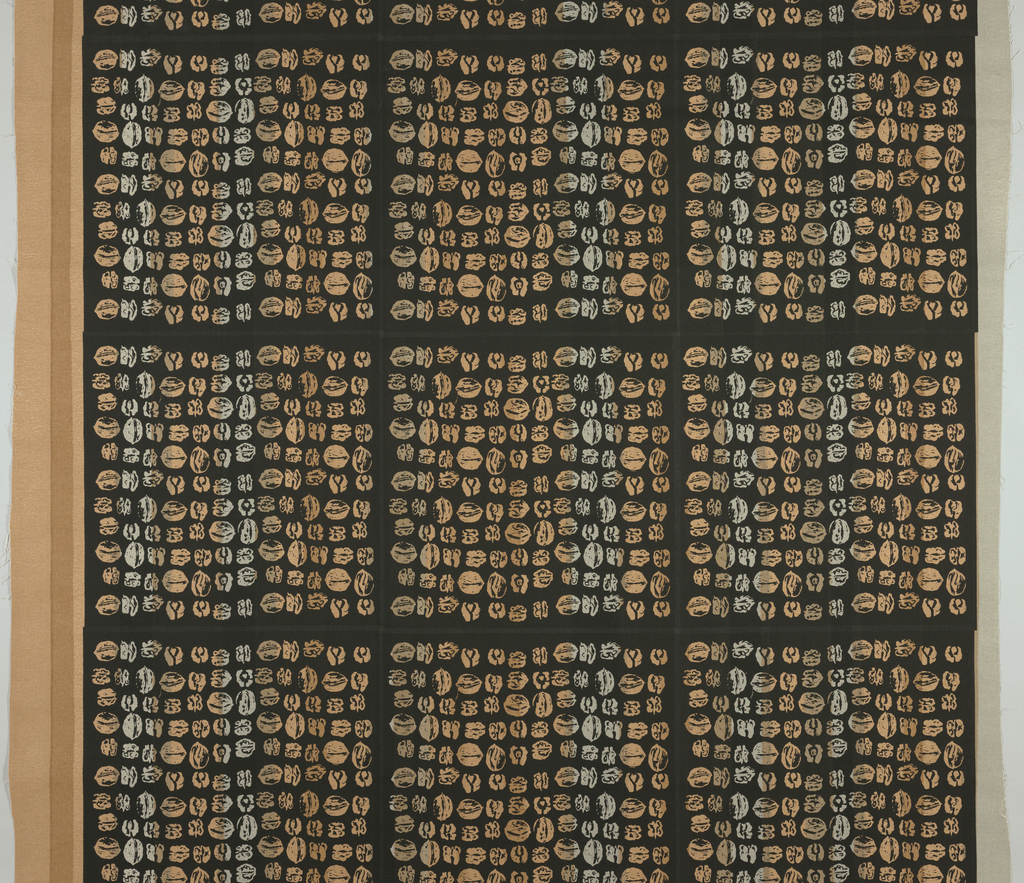
In his seminal 1976 book The Dyer’s Art, Jack Lenor Larsen wrote: “Without doubt one of the most successful combinations of innovation, craft and commerce in recent times has emanated from the various Tillett print studios.” From the 1950s through the 1970s, the husband-and-wife team of Doris Doctorow (D.D.) and Leslie Tillett designed and printed...
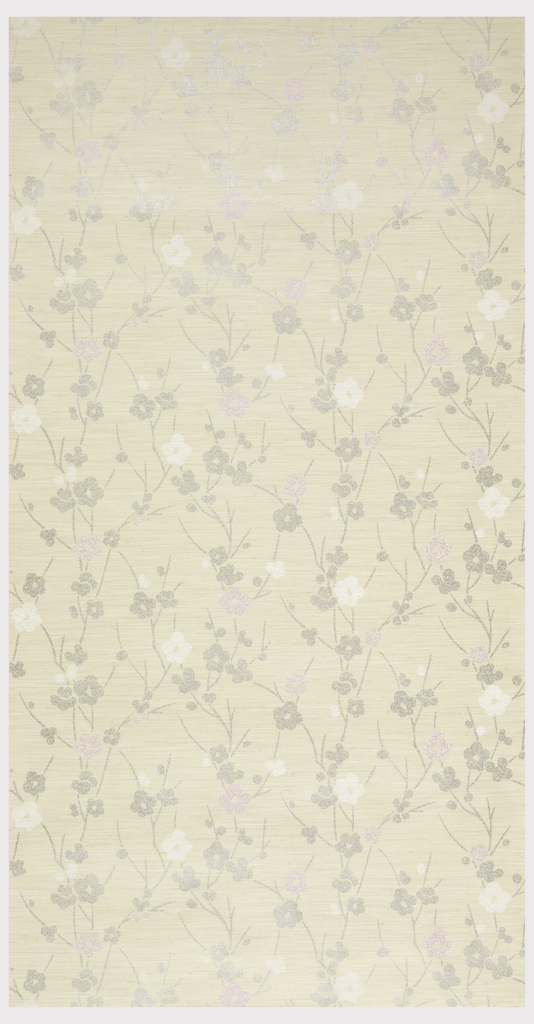
Lithe and resplendent, a maze of branches weaves its way across the composition of this lightly colored fusuma paper. In Japan, fusuma are sliding panels that can serve as walls or doors inside the home. Scattered along each bough are a multitude of delicately rendered flowers whose petals invite the eye to linger on their...
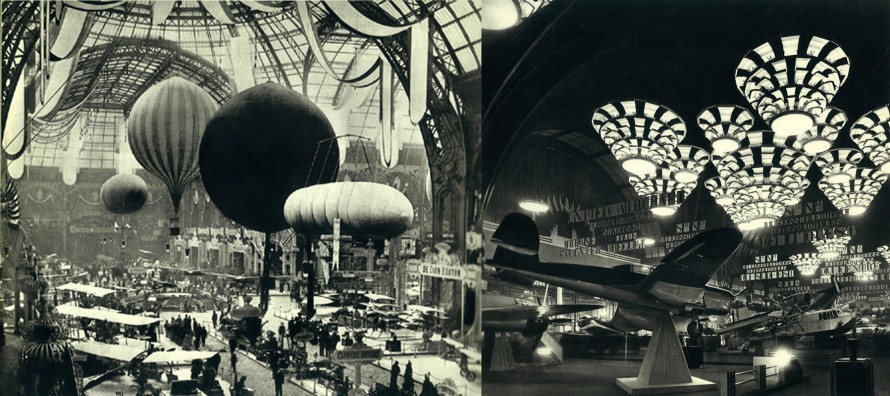
This post was originally published on April 1, 2013. Between 1909 and 1948, the Grand Palais near the Champs-Elysées in Paris featured remarkable decorative interiors which housed automotive, aeronautical and many other types of trade shows. For the buildings and other structures of the Paris Colonial Exposition of 1931, decorative lighting helped create a unity...
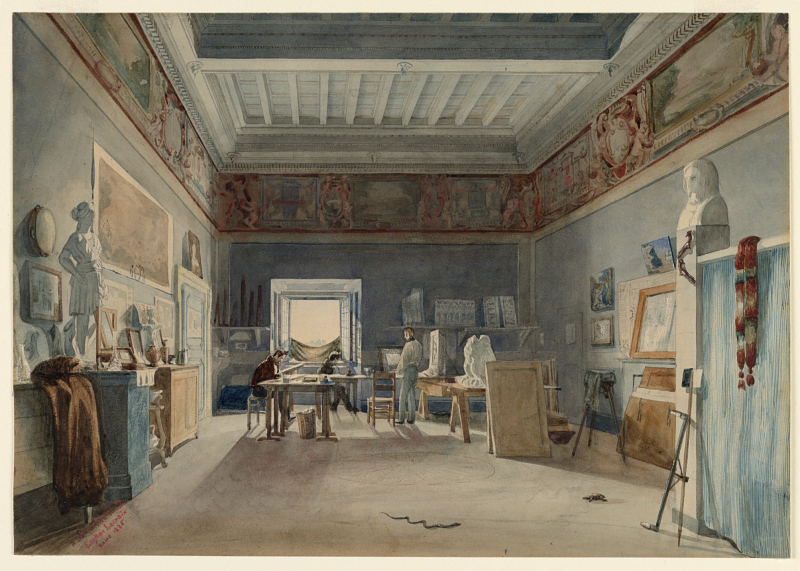
In the rear of a large atelier of the French Academy in Rome, three students (called pensionnaires) are at work. One, by the window, labors over a drawing; a second stands near a bas-relief, and a third, seated, bends over a work in progress. The remainder of the space is filled with studio equipment: canvases,...
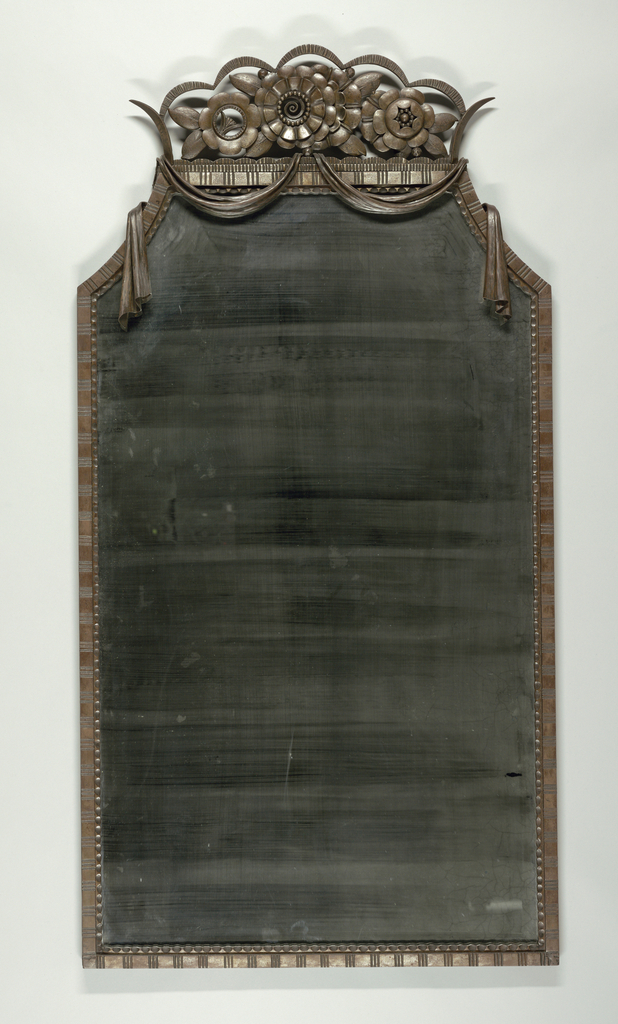
This post was originally published on December 12, 2015. The French designer Edgar Brandt spurred a revival of interest in interior furnishings made of iron in the 1920s. His participation in the 1925 Paris Exposition won him great praise. Brandt’s ironwork was admired throughout the fair; he designed the gates of the front entrance, his...
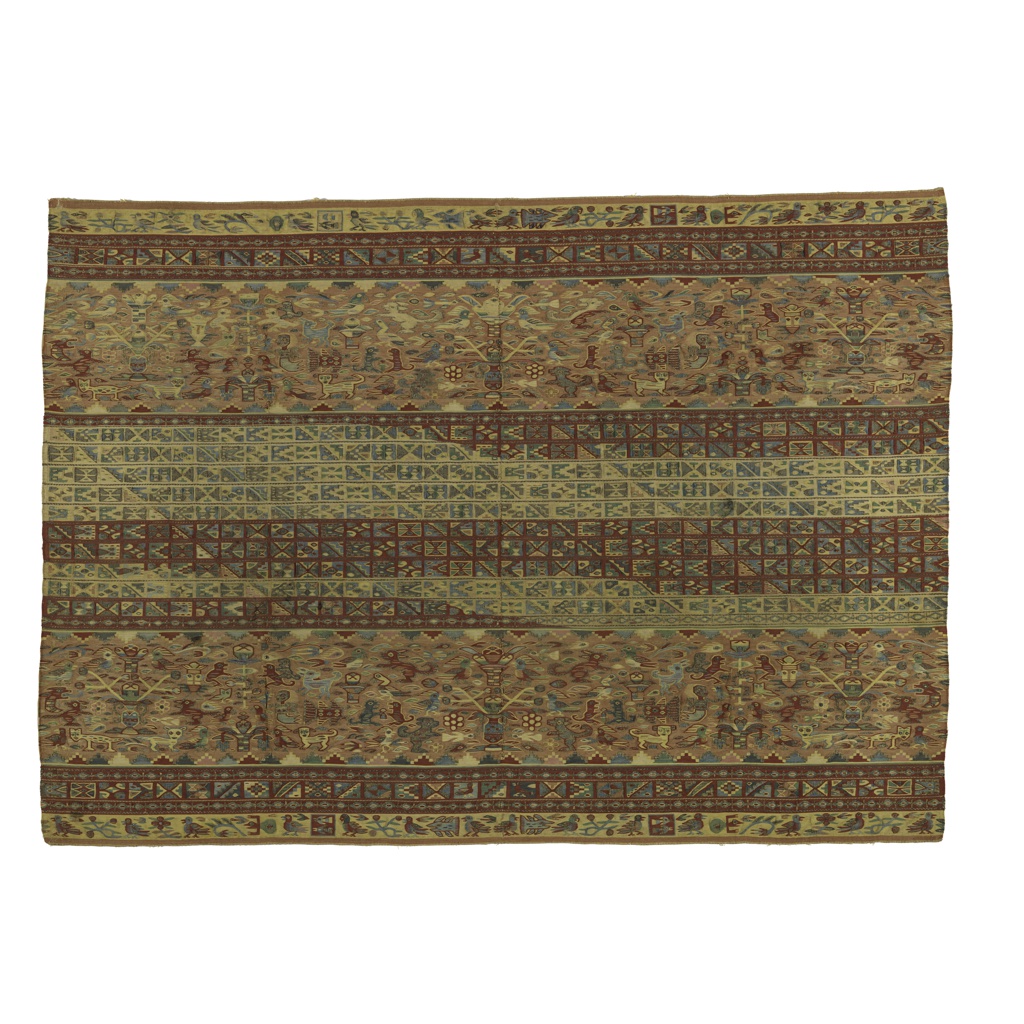
This post was originally published on December 20th, 2012. This beautiful cloth is a woman’s shoulder mantle, called a lliclla in the Quechua language of the Inca Empire, and was made during the colonial period of Peru. A perfect blend of the cross-cultural elements of the 16th- and 17th-century era of global trade, the Chinese...
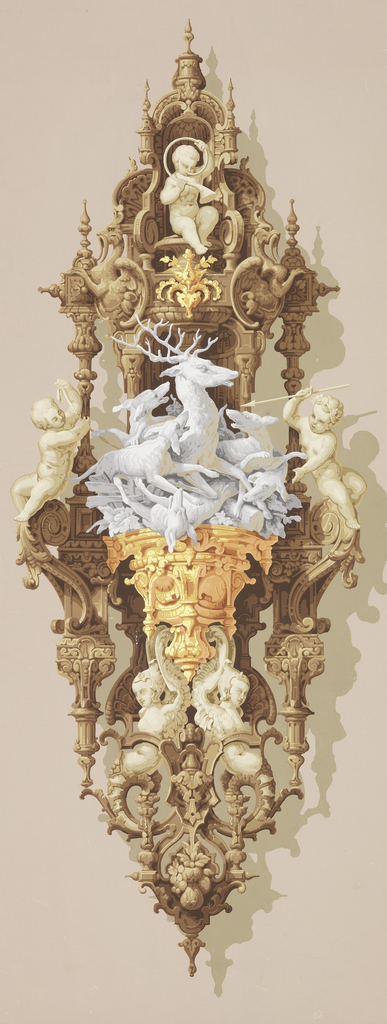
Seated atop a seemingly wooden structure, we see a beige cherub playing a spiral hunting horn. Following his gaze downward we see, locked in frenzied combat, a large stag and a horde of hunting dogs who contort their bodies in an attempt to complete their violent action. On their right and left are two more...
