Knoll introduced Cato in 1961 and it has been in continuous production ever since, making it one of the most successful designs the company ever produced. It was designed and woven by Paul Maute, a German designer/weaver whose contributions to Knoll Textiles were both influential and lasting. In 1927, Maute established his weaving workshop in...
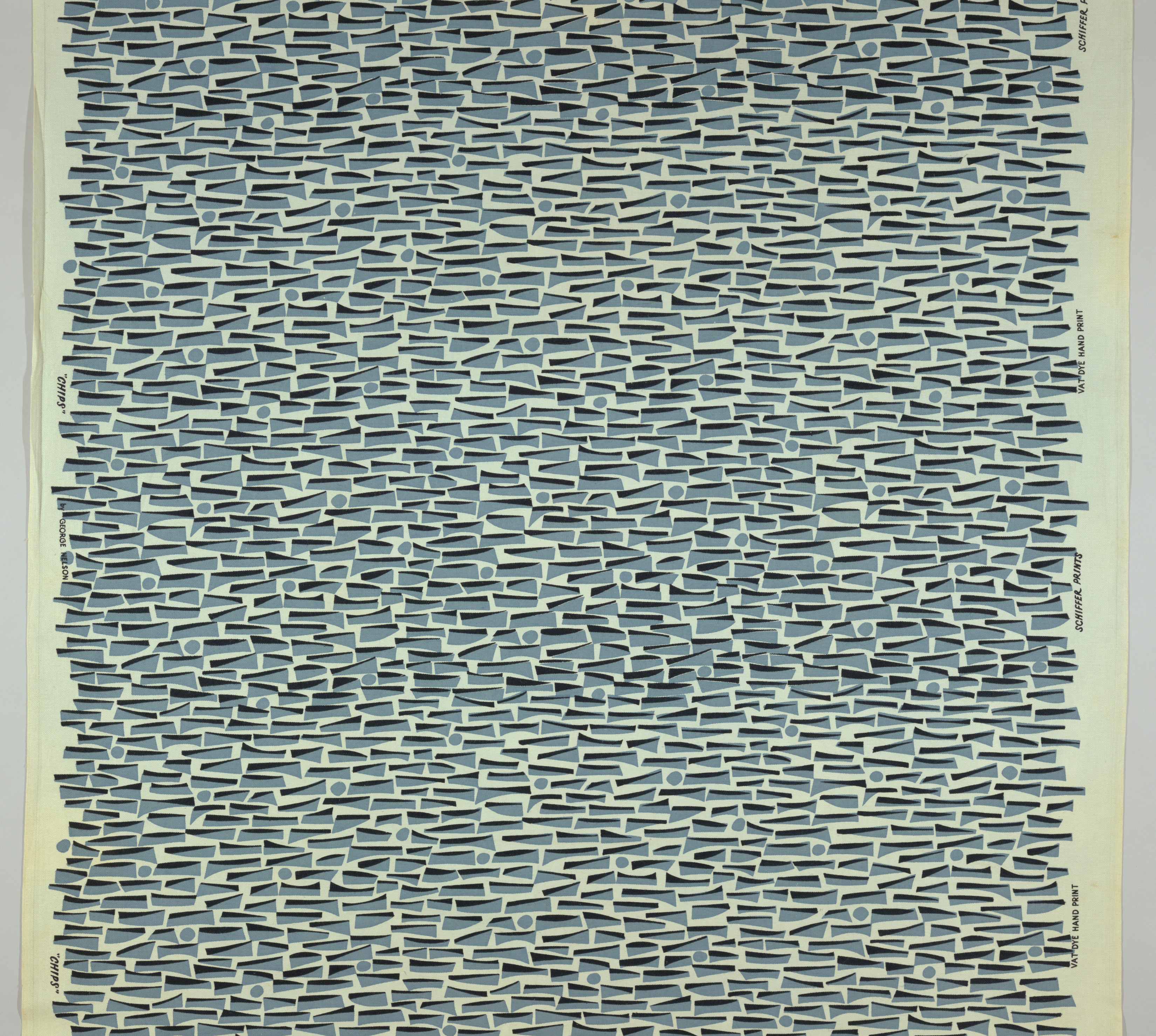
In the aftermath of World War II, a number of textile producers attempted to revitalize the industry by enlisting recognized personalities in art and architecture to design screen prints. “Perhaps the most outstanding name collection is Stimulus Fabrics produced by Schiffer Prints,” Alvin Lustig wrote in American Fabrics Magazine in 1951. “There was not a...
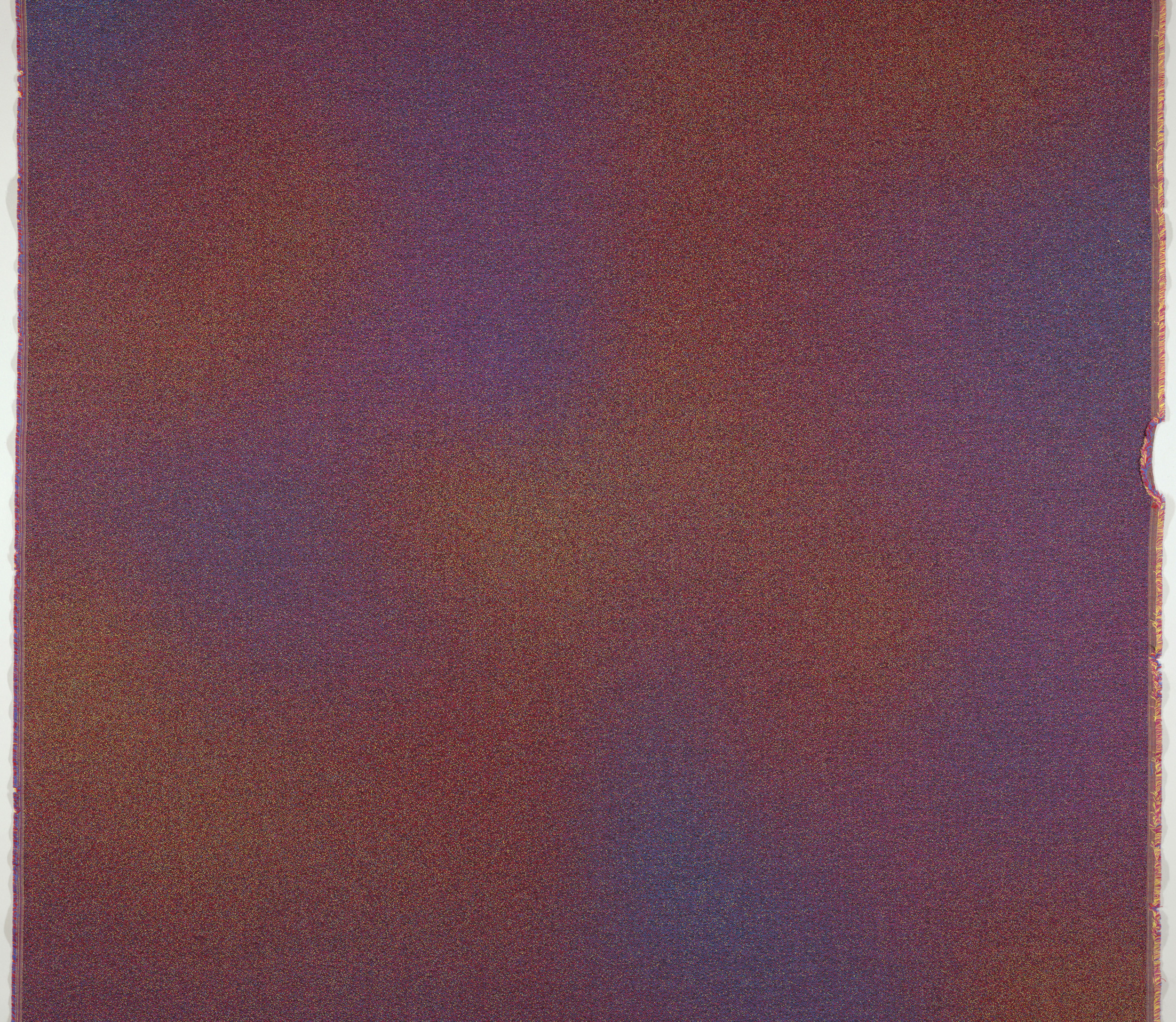
Millions of Colors, a new upholstery fabric by Danish artist Grethe Sørensen for Wolf Gordon, arose from her tapestry series of the same name. Using a basic color palette of red, green, blue, cyan, magenta, yellow, black and white theads, Sørensen used a digitally controlled loom to translate the subtle modulations of color seen in...
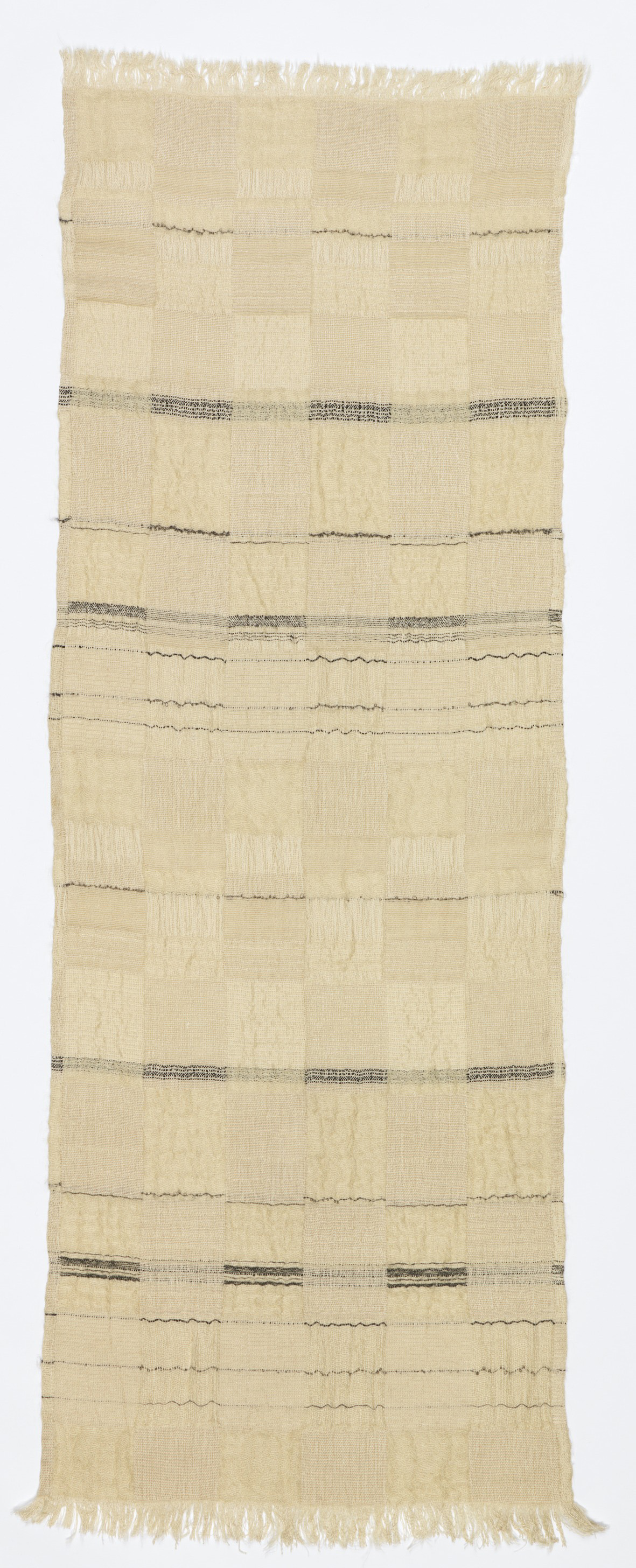
Trude Guermonprez was a much-admired weaver and professor of textile arts at California College of Art. She was trained at the School of Fine and Applied Arts in Halle, Germany, sometimes called the “little Bauhaus,” as many of its faculty had studied or taught there. After World War II, she made her way to California...
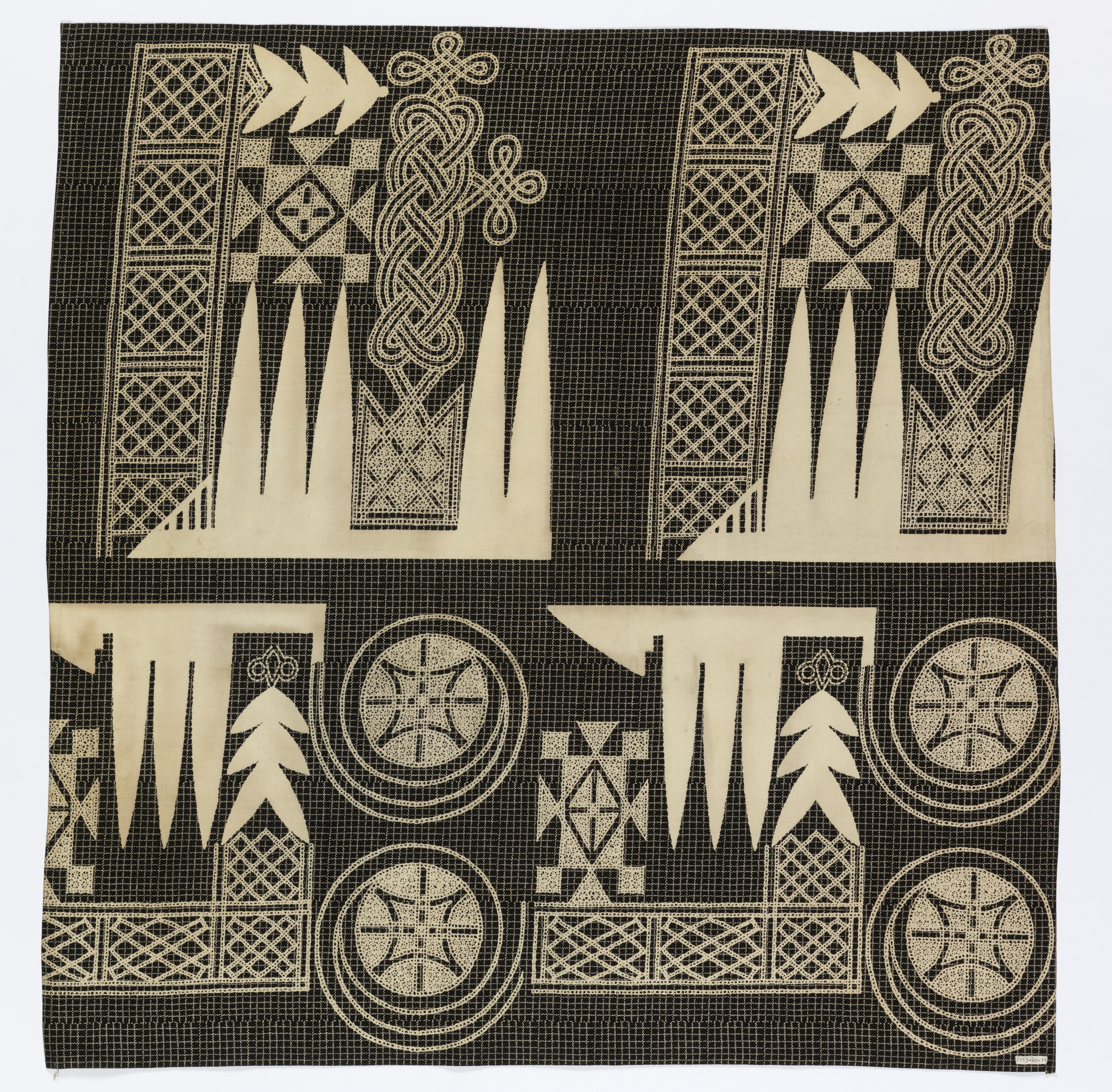
This fabric, printed in Manchester, England for the African market, has a design which imitates the embroidered gowns worn by Hausa men in Nigera. The design of the embroideries is believed to have been influenced by men who learned the art of calligraphy from studying the Qur’an, and reflect an identification with Islam. They are...
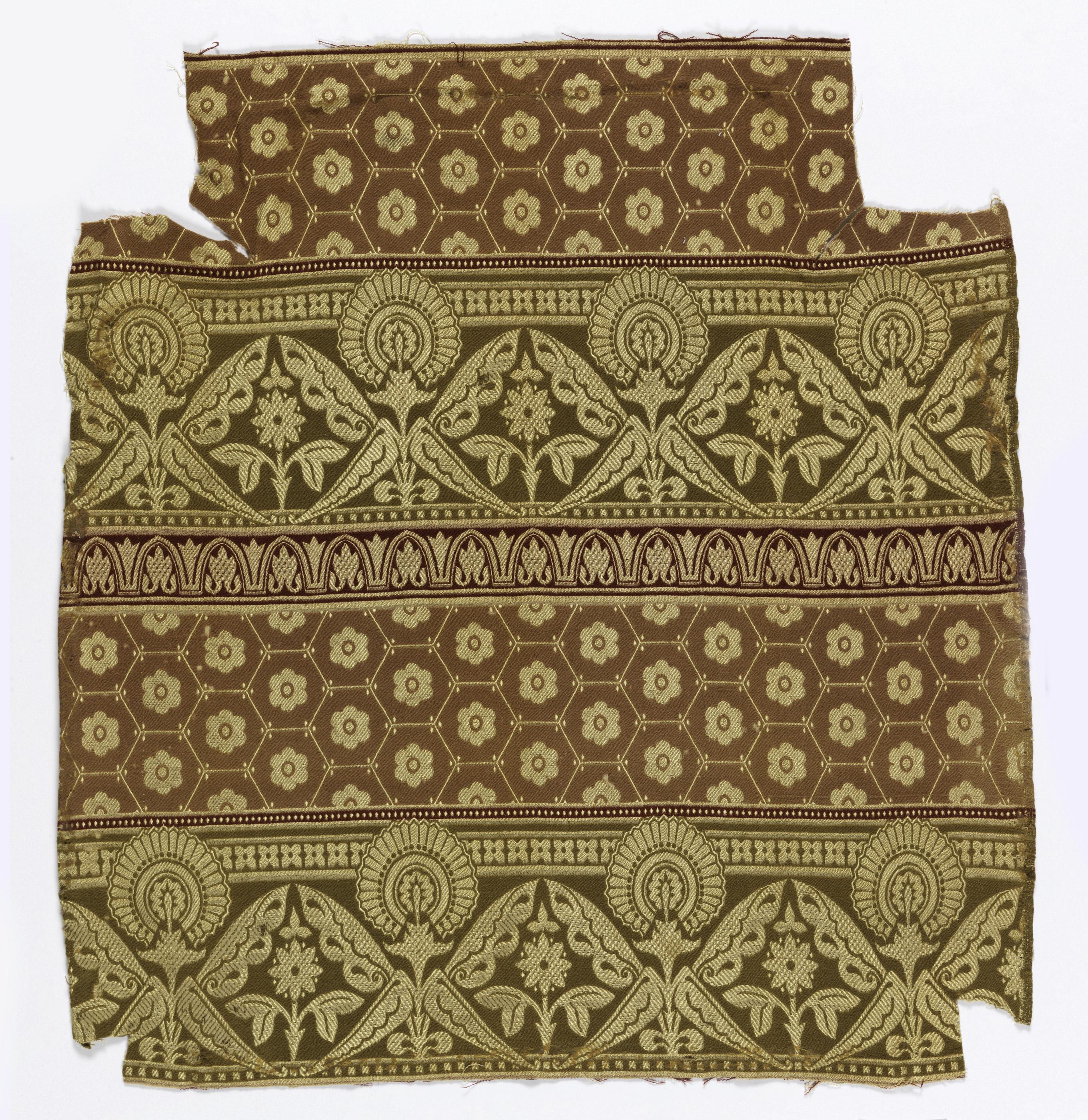
Christopher Dresser, a disciple of Owen Jones, was an early design reformer and is considered by some to be the first industrial designer. In addition to designing wallpapers, textiles, carpets, ceramics, and metalwork for a wide variety of European and American manufacturers, he published several influential books, including The Art of Decorative Design (1862), Principles...
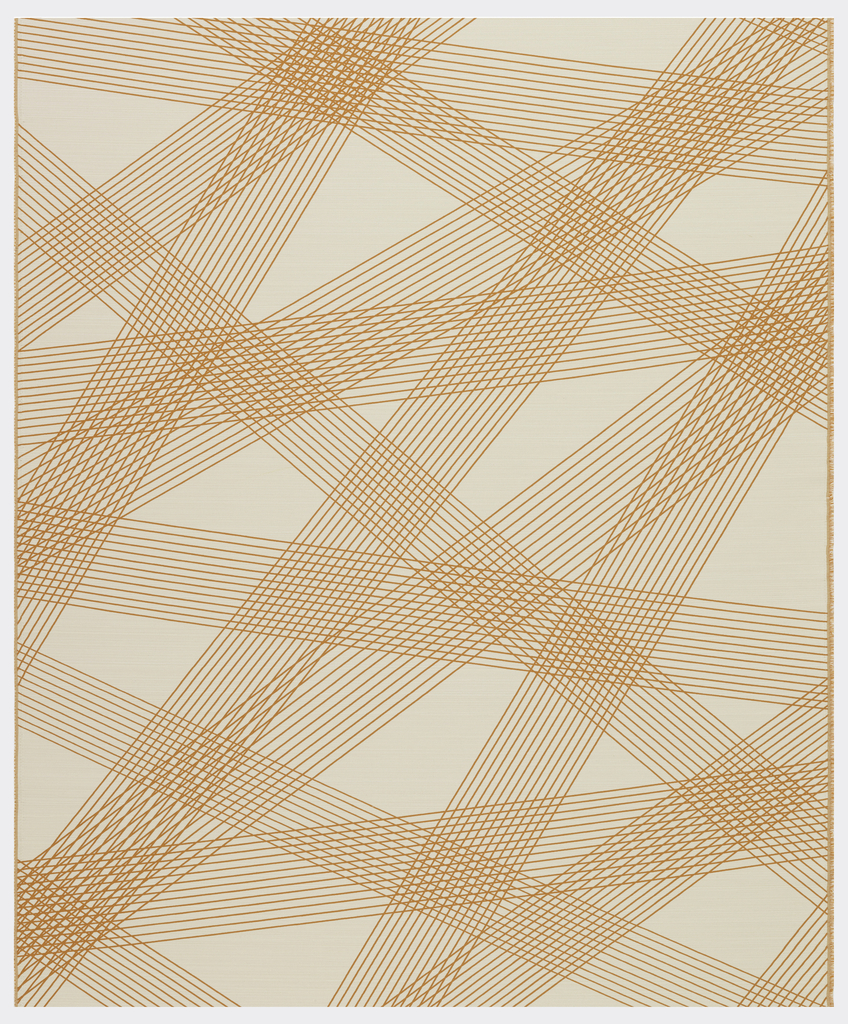
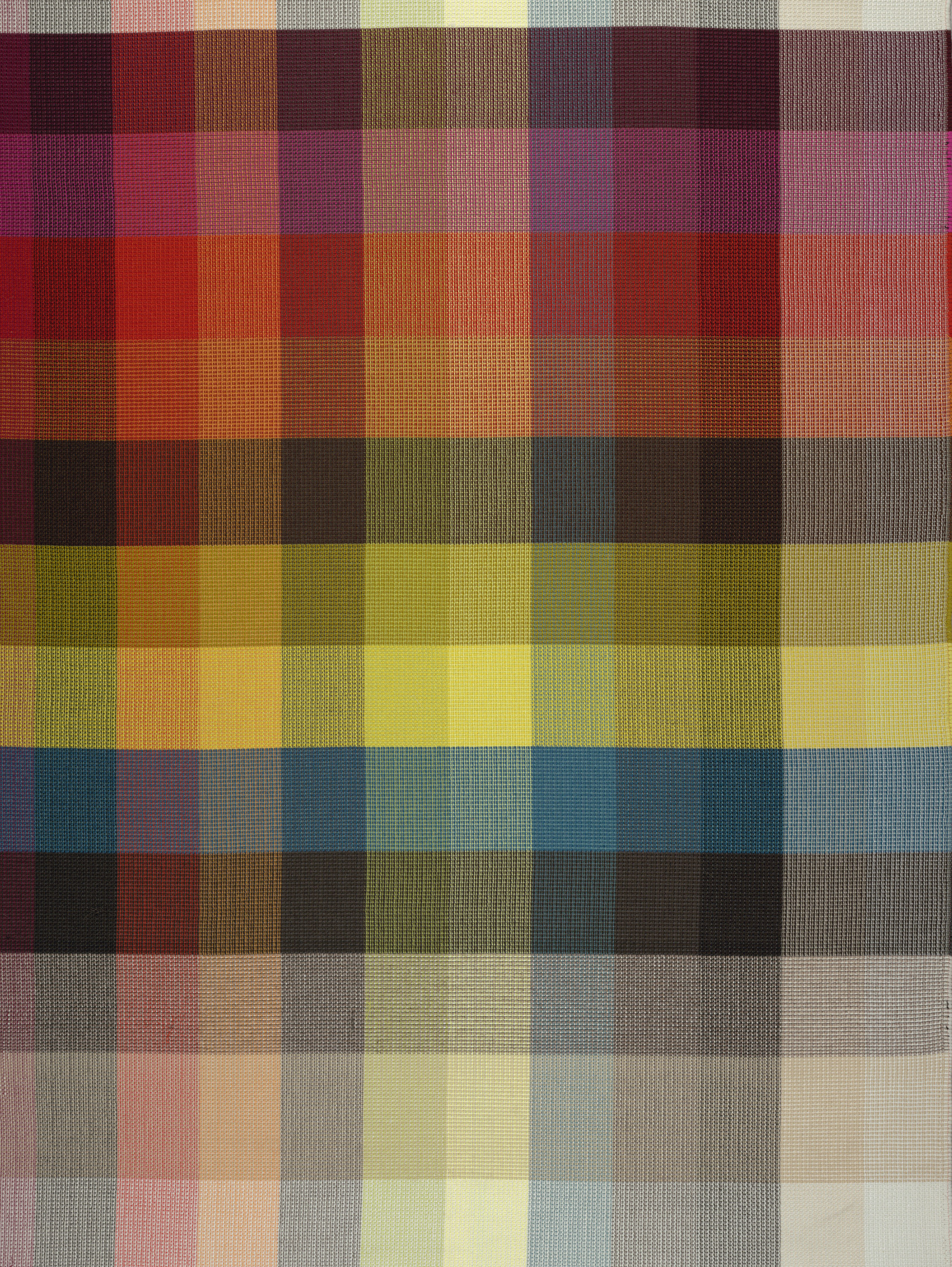
In tandem with her artistic practice, Sheila Hicks has been engaged with the fields of architecture, design, and textile industry for over 50 years. Crossing Colors is Hick’s latest commercial collaboration. Working with Momentum Textiles, she has created a collection of three patterned weaves (Painting Strokes, Drawing Lines, and Crossing Colors) with coordinating solids (Weaving...
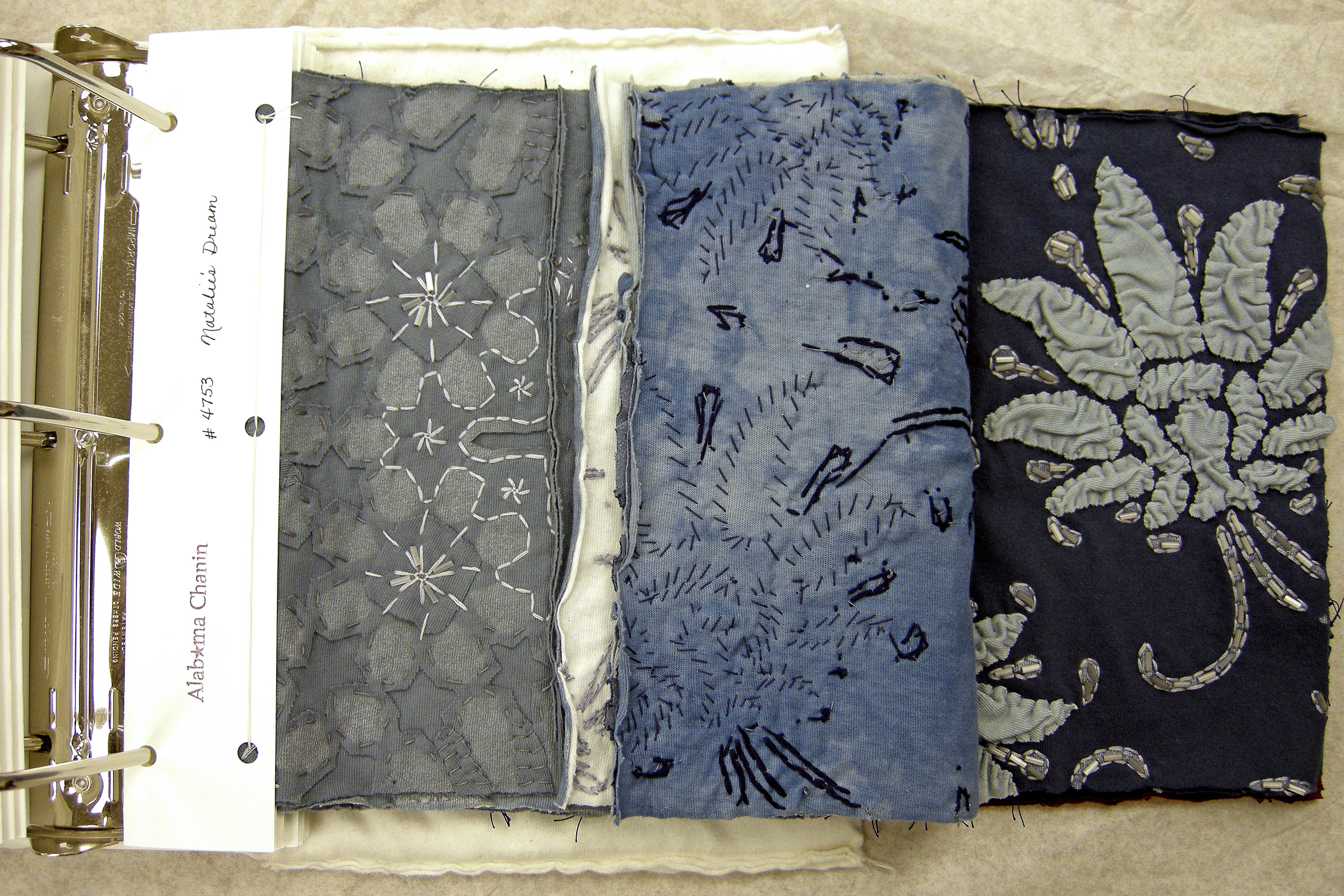
After a decade of working as a designer and stylist in Europe, Natalie Chanin traveled to her hometown of Lovelace Crossroads, Alabama, to film a documentary, Stitch, about the southern quilting tradition. Ads placed in local newspapers brought in hundreds of stitchers, some formerly employed in Alabama’s once-thriving textile industry. Chanin created the fashion and...
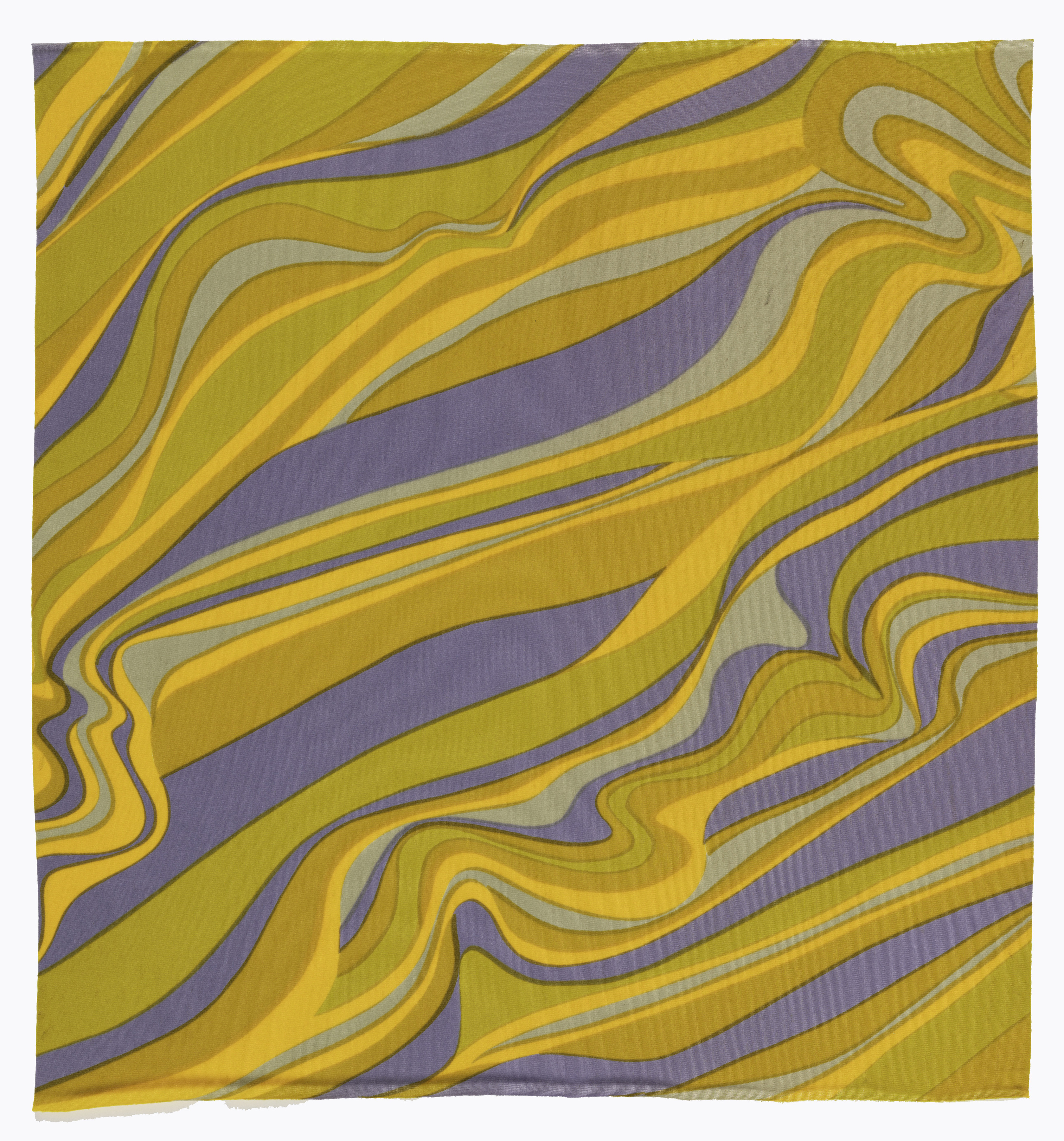
Jack Lenor Larsen, one of the most influential textile designers of the 20th century, is noted for his pioneering use of innovative methods and materials. Bojangles, designed for the 1967 collection The Butterflies, is made from Caprolan stretch nylon designed to conform to the rounded, organic shapes of 1960’s furniture. Larsen believed that pattern should...
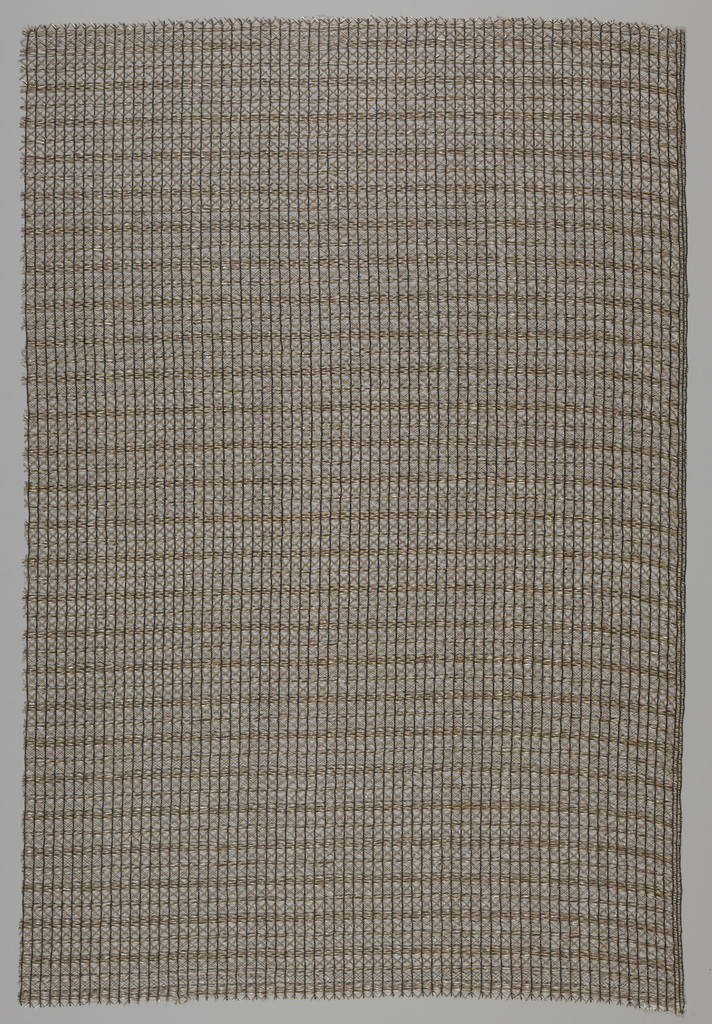
Architectural commissions were an important part of Jack Lenor Larsen’s work, and frequently provided the impetus for the development of new technologies. His first commission was for Lever House, designed by Gordon Bunshaft of Skidmore, Owings & Merrill. Completed in 1952, Lever House was one of the first glass curtain-wall office towers in the country....
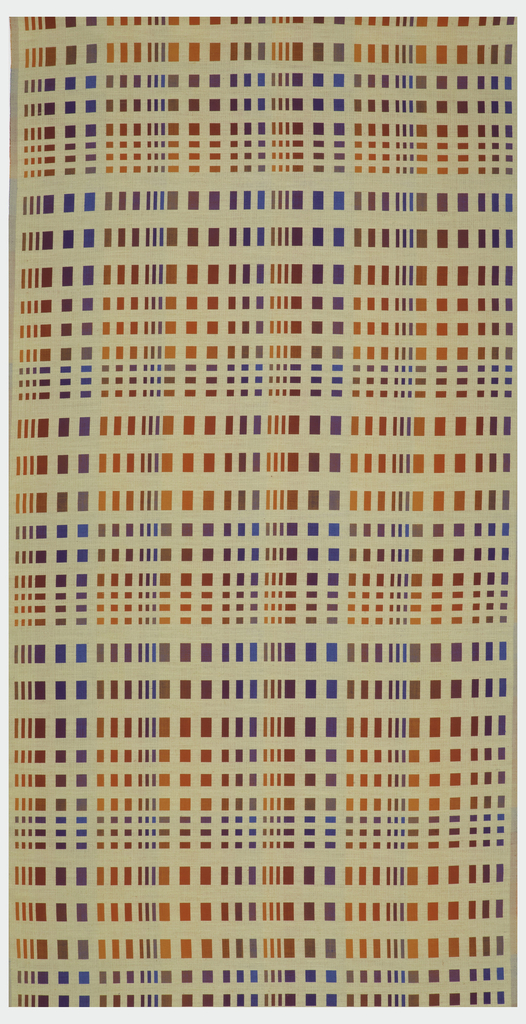
From the Object of the Day archives, Landis II (1973) designed by Richard Landis in collaboration with Jack Lenor Larsen and now in the museum's permanent collection.
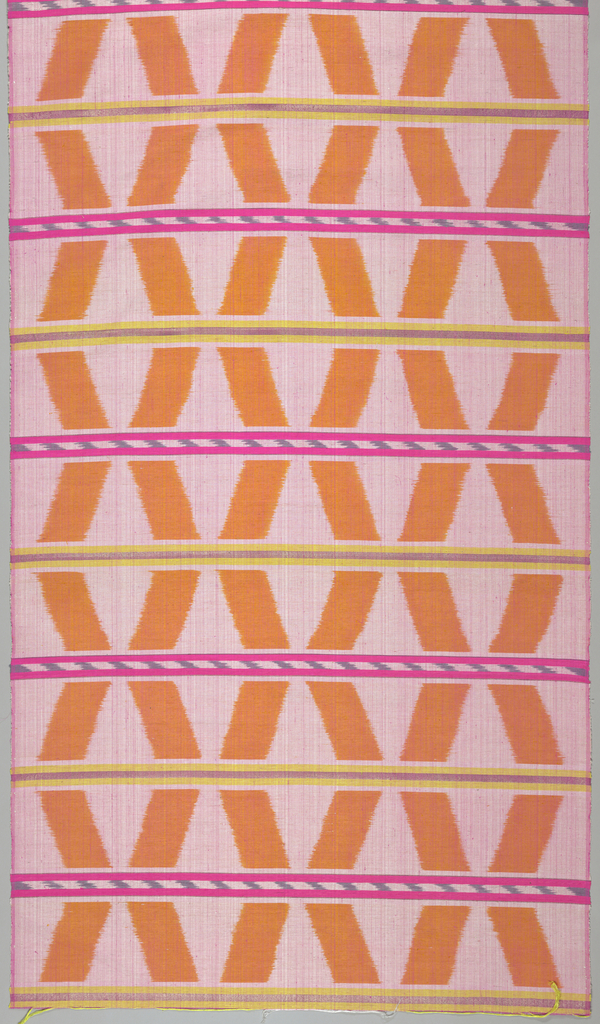
In 1972, Larsen was invited by The Thai Silk Company to design a collection in tribute to their founder, Jim Thompson. Architect, CIA agent, silk entrepreneur and avid Asian art collector, Thompson had launched The Thai Silk Company in Bankok in 1948 and become an authority in the industry, earning the nickname “the Silk King...
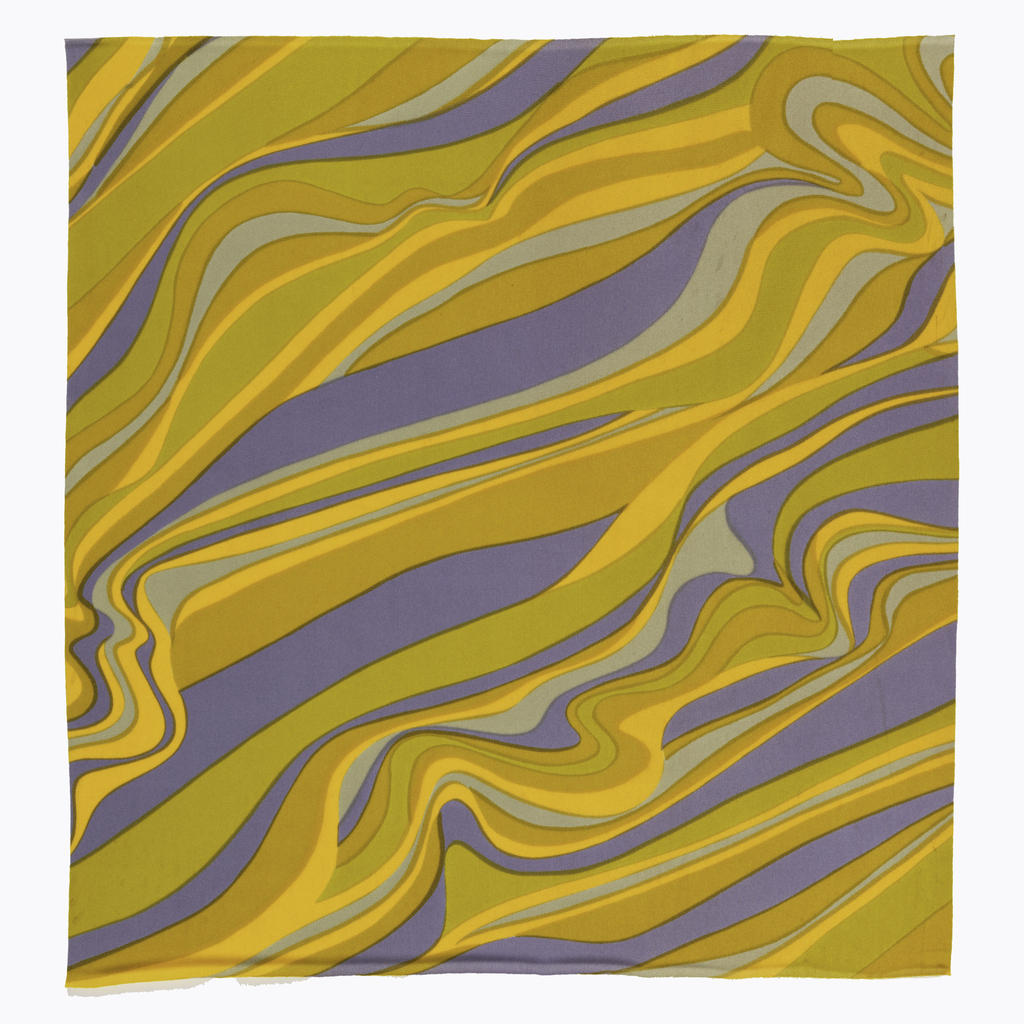
In addition to studying traditional textiles around the world, Jack Lenor Larsen firmly believed in investing in the future, and in devoting resources to developing new textile technologies. He frequently use-tested his latest fabrics in his own home. “Every year at my Gramercy Park apartment I redesigned the interior as a means of experimenting with...
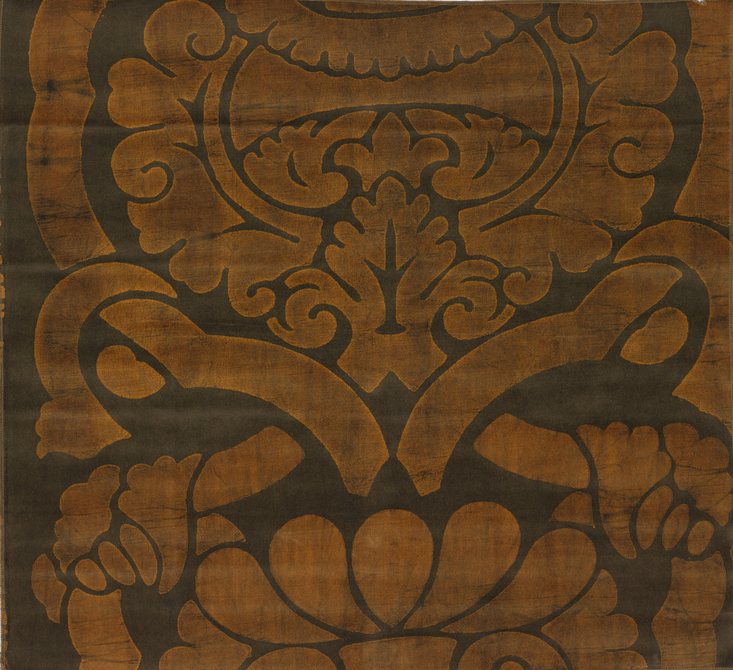
Conquistador, introduced as part of Jack Lenor Larsen Incorporated’s 1967 Andean Collection, became one of the company’s signature fabrics. Its complex design beautifully melds two of Larsen’s numerous passions: admiration for the arts of the Andes, and a fascination with resist-dye techniques. A great admirer and student of the world’s dye-resist techniques, Larsen published his...
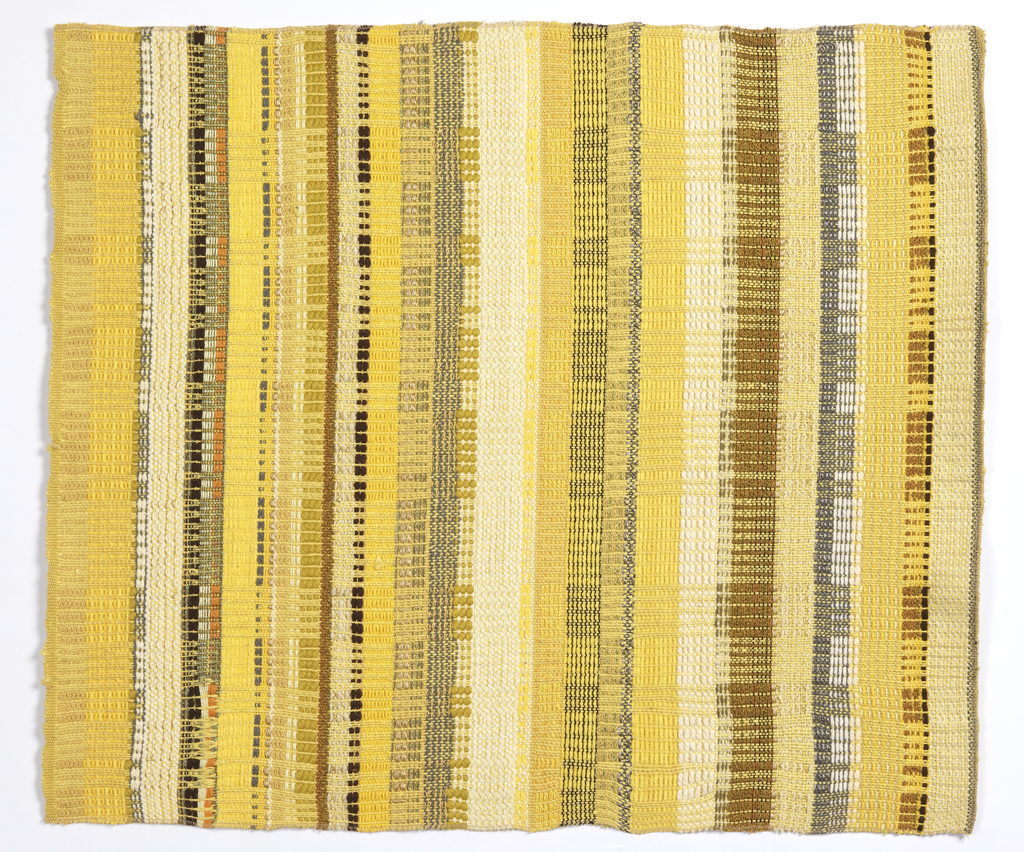
Remoulade developed out of a hand-woven wall hanging Jack Lenor Larsen made during the summer of 1954 at Haystack Mountain School of Crafts in Maine, where he remains an Honorary Chair. The original hanging, a weft-faced weave, used over seventy different yarns, including cotton, silk, wool, jute, and Lurex, inserted randomly, to create a richly...
