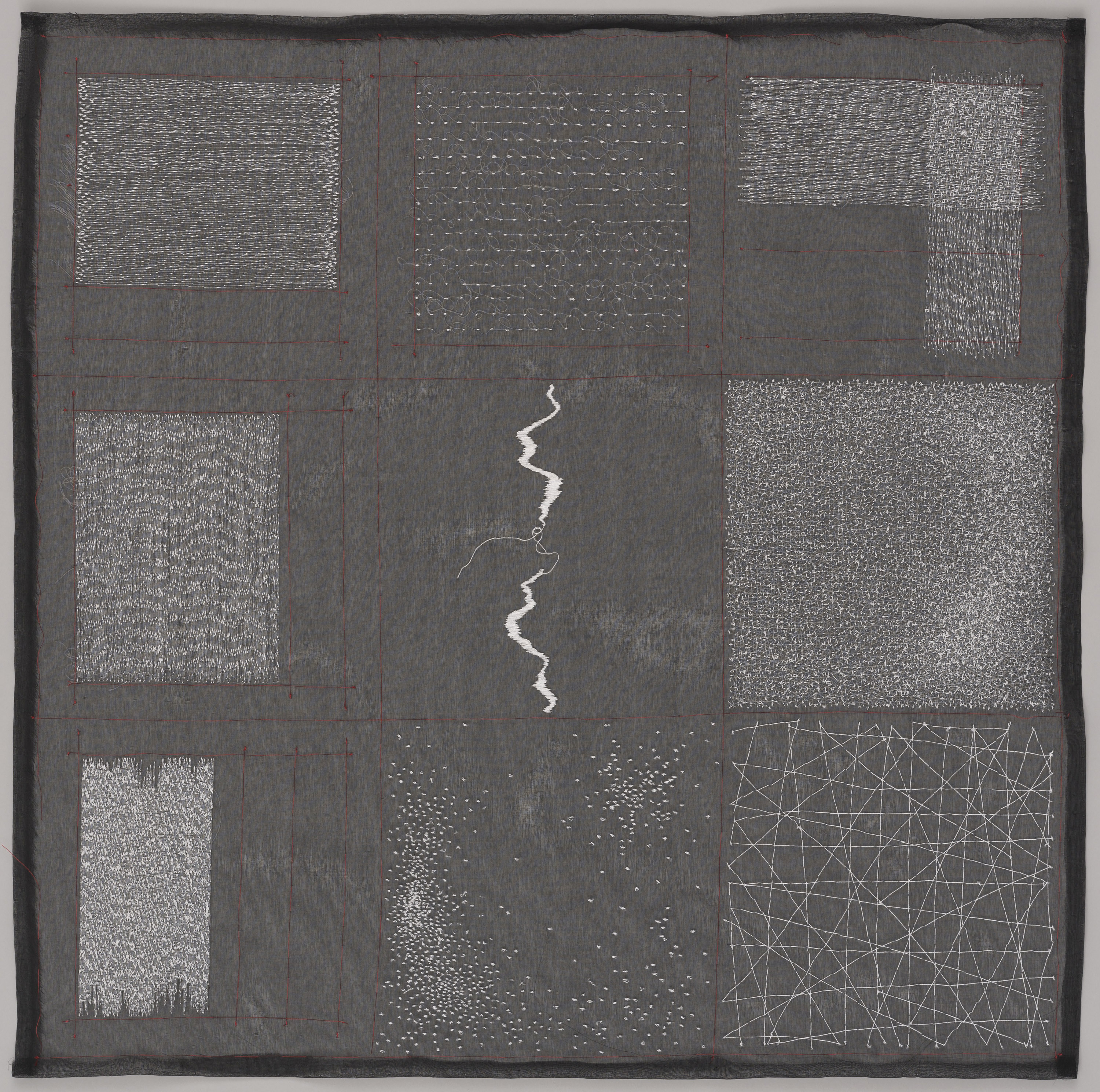
Heidrun Schimmel says that she has always been interested in the connection between fiber/fabric/textile and the human being, especially between the thread and the human. Perhaps a metaphor for human existence, stitching with thread tracks time, especially when employing the same type of stitch on the same type of cloth as Schimmel has been doing...
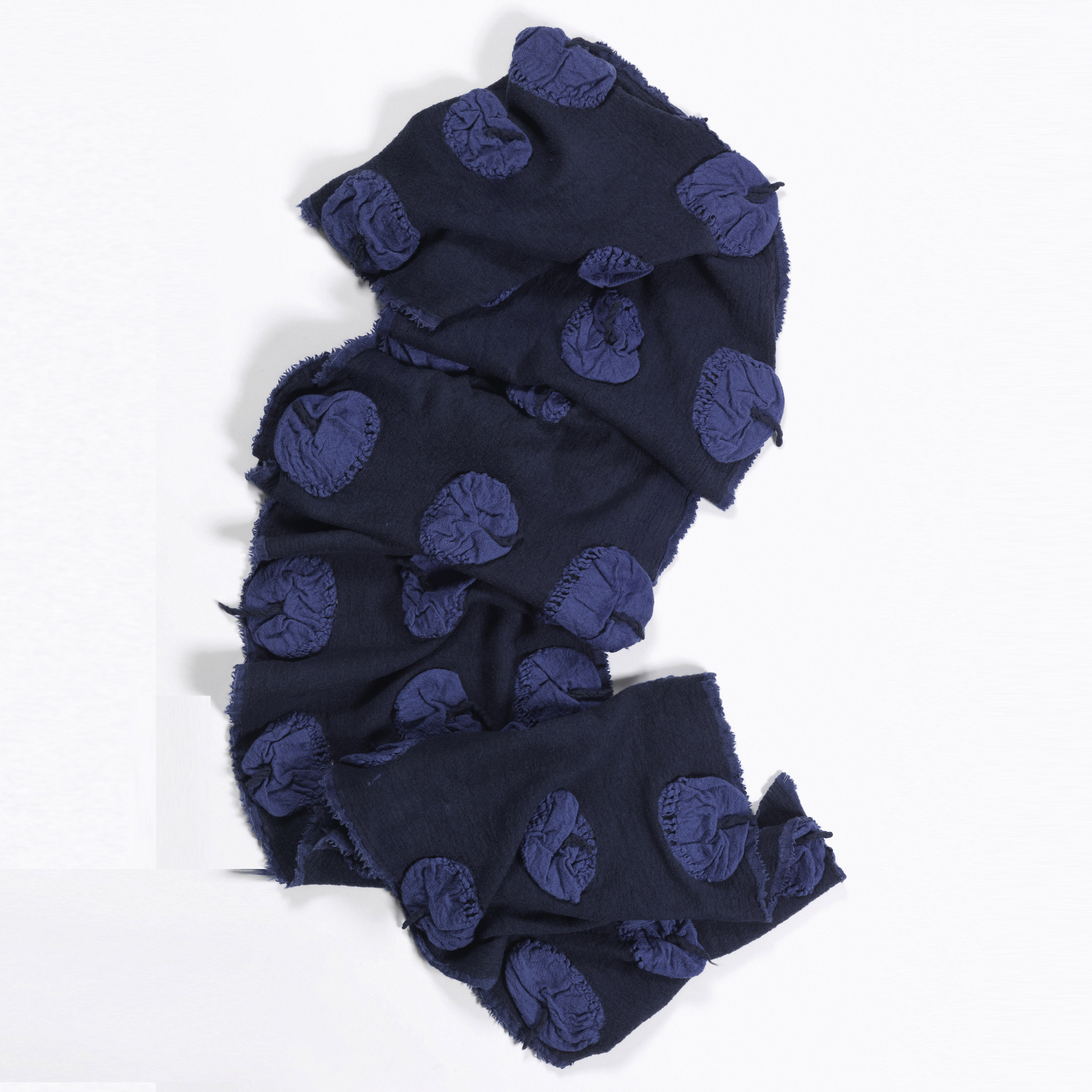
Circle Square II, designed by Hideko Takahashi in 1995, exemplifies varied experiments with the shrinking and cutting of a triple-layered cloth resulting in what seems to be a single layer with appliquéd pockets. Takahashi describes her three-layer textiles as a “two-layer cake.” She distinguishes the alternating blue-and-white colored layers that comprise the “cake” by cutting...
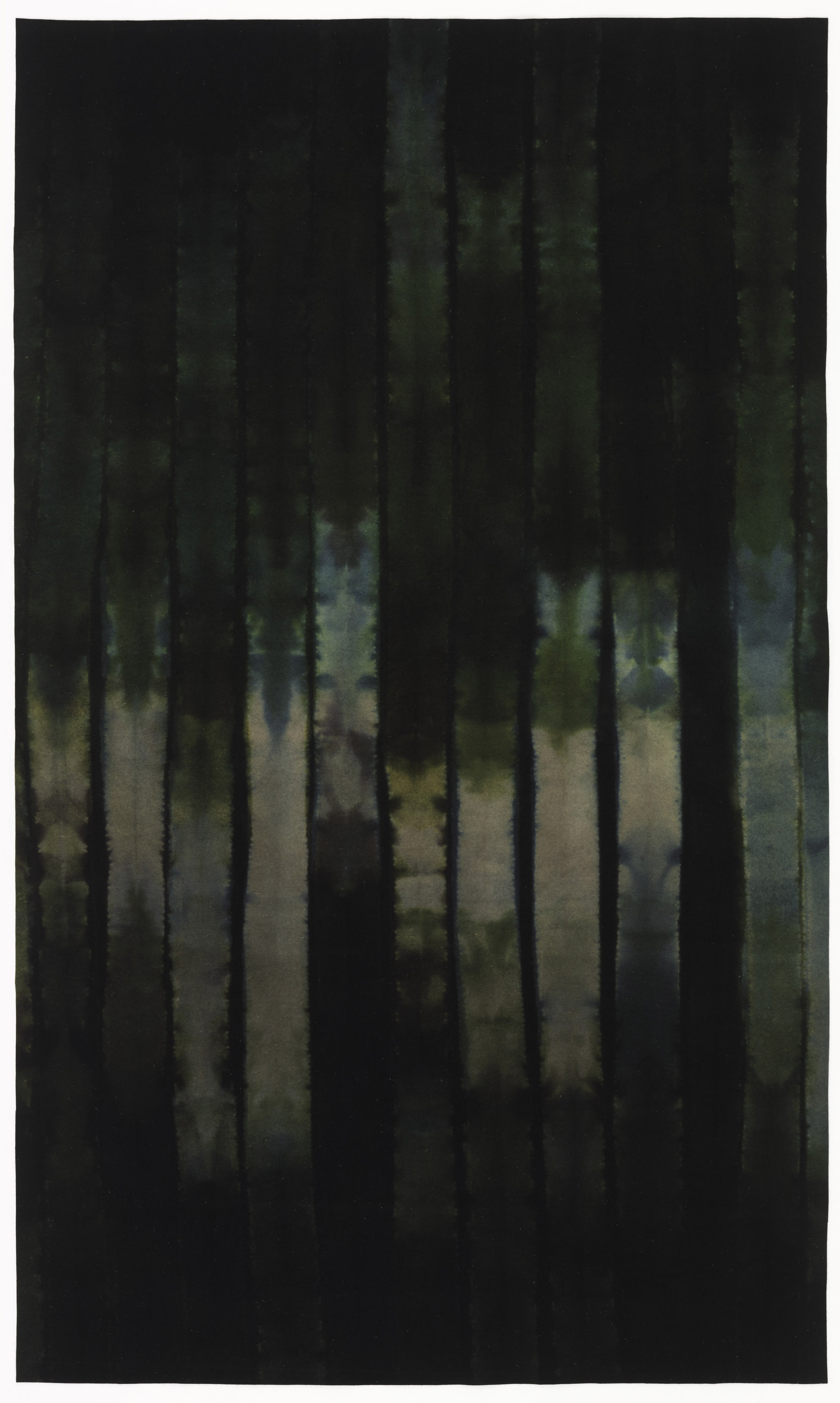
In celebration of Women’s History Month, Cooper Hewitt is dedicating select Object of the Day entries to the work of women designers in our collection. In Fluid Green, the Danish textile designer Inge Lindqvist explores her interest in traditional stitched-resist dyeing techniques through the industrial felt medium. Primarily used in Africa, Indonesia, Japan, South America,...
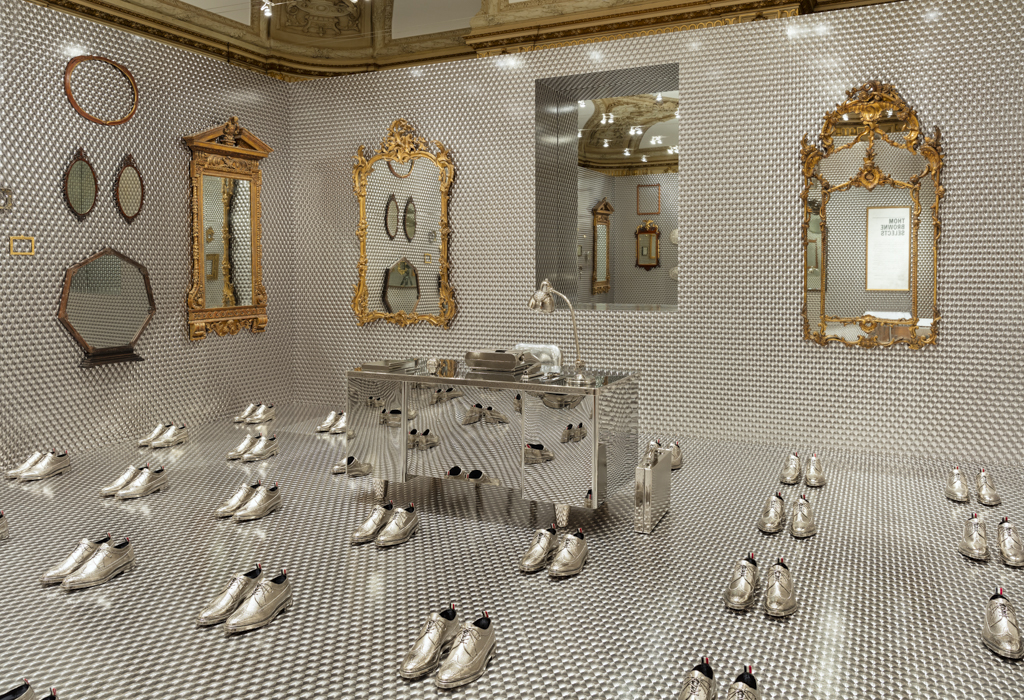
This week’s entries are dedicated to objects featured in the exhibition Thom Browne Selects (see installation image above), currently on view at Cooper Hewitt through October 23, 2016. The following is an excerpt from a conversation that I had with American fashion designer and National Design Award winner, Thom Browne, about his museum exhibition and...
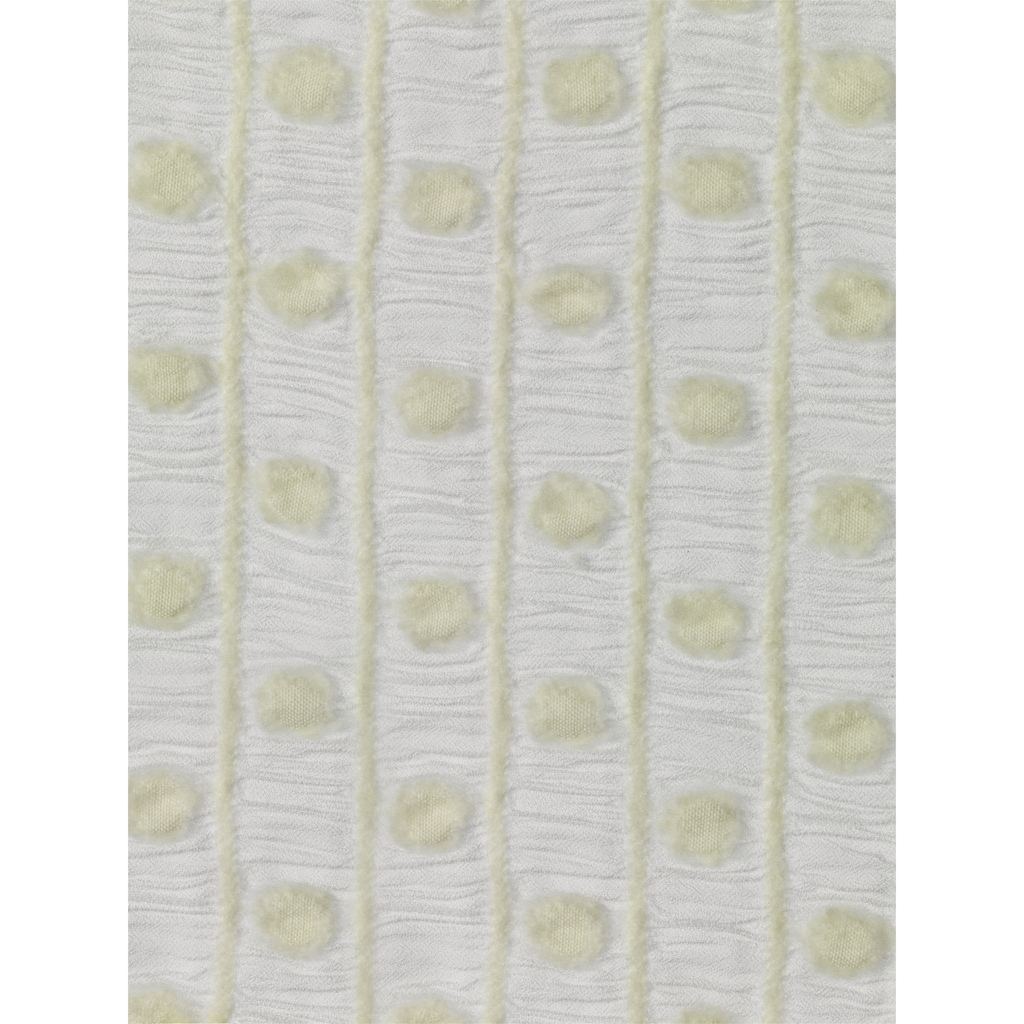
Wool Dot Gather, designed by Osamu Mita and manufactured at his family’s textile company, Mitasho, is made of wool and rayon. The textile has a very rich textural surface created by a combination of patterning in the weaving process, as well as shrinking in the finishing. The white plain woven wool forms both the dots...
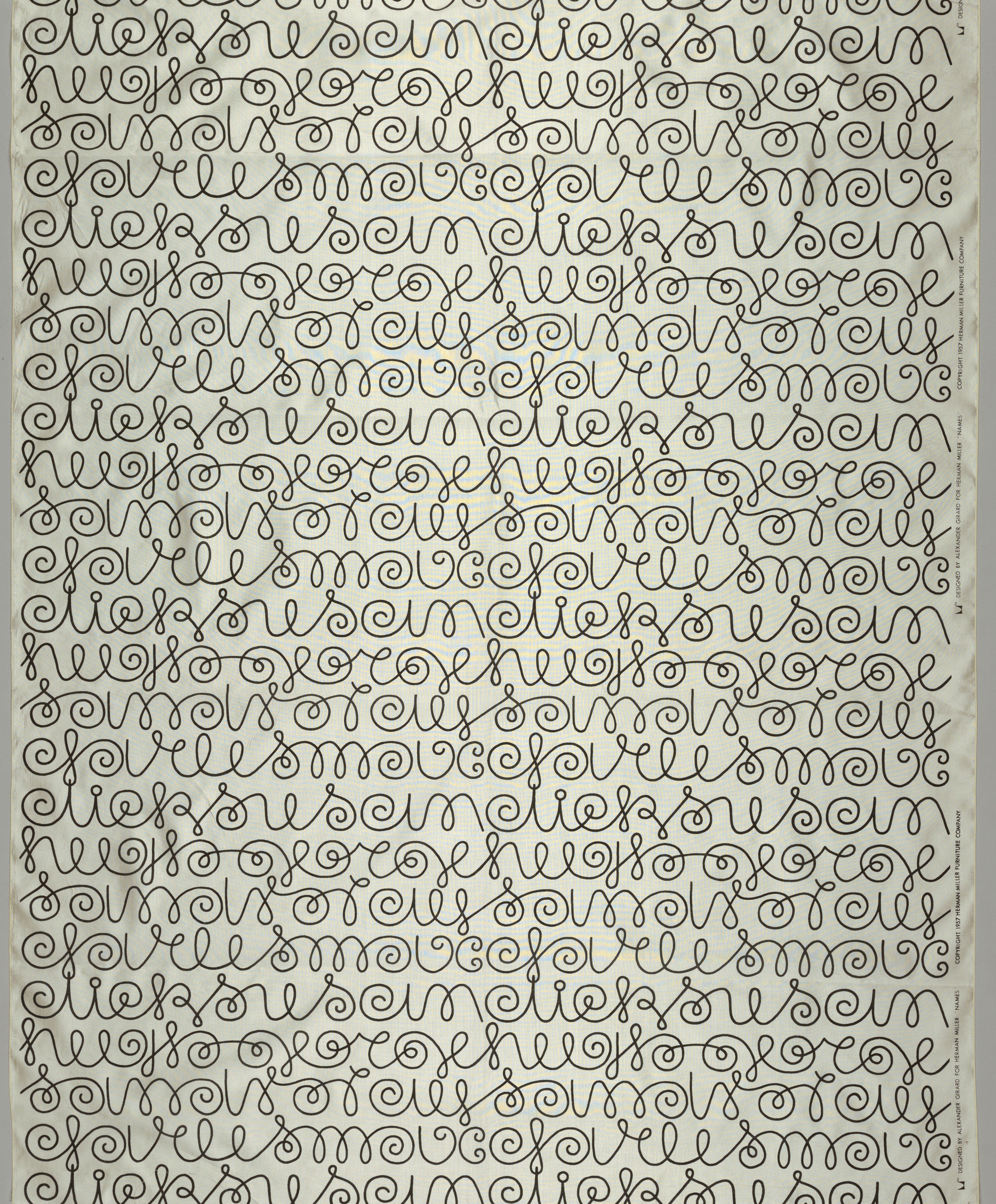
Names was designed by Alexander Girard for Herman Miller in 1957. He used typography as pattern in many of his works – from textiles and wall coverings to signs, logos, and even menu layouts — by playfully mixing, transforming, and inventing fonts for whatever the project required. Sometimes he created entire alphabets while other times...
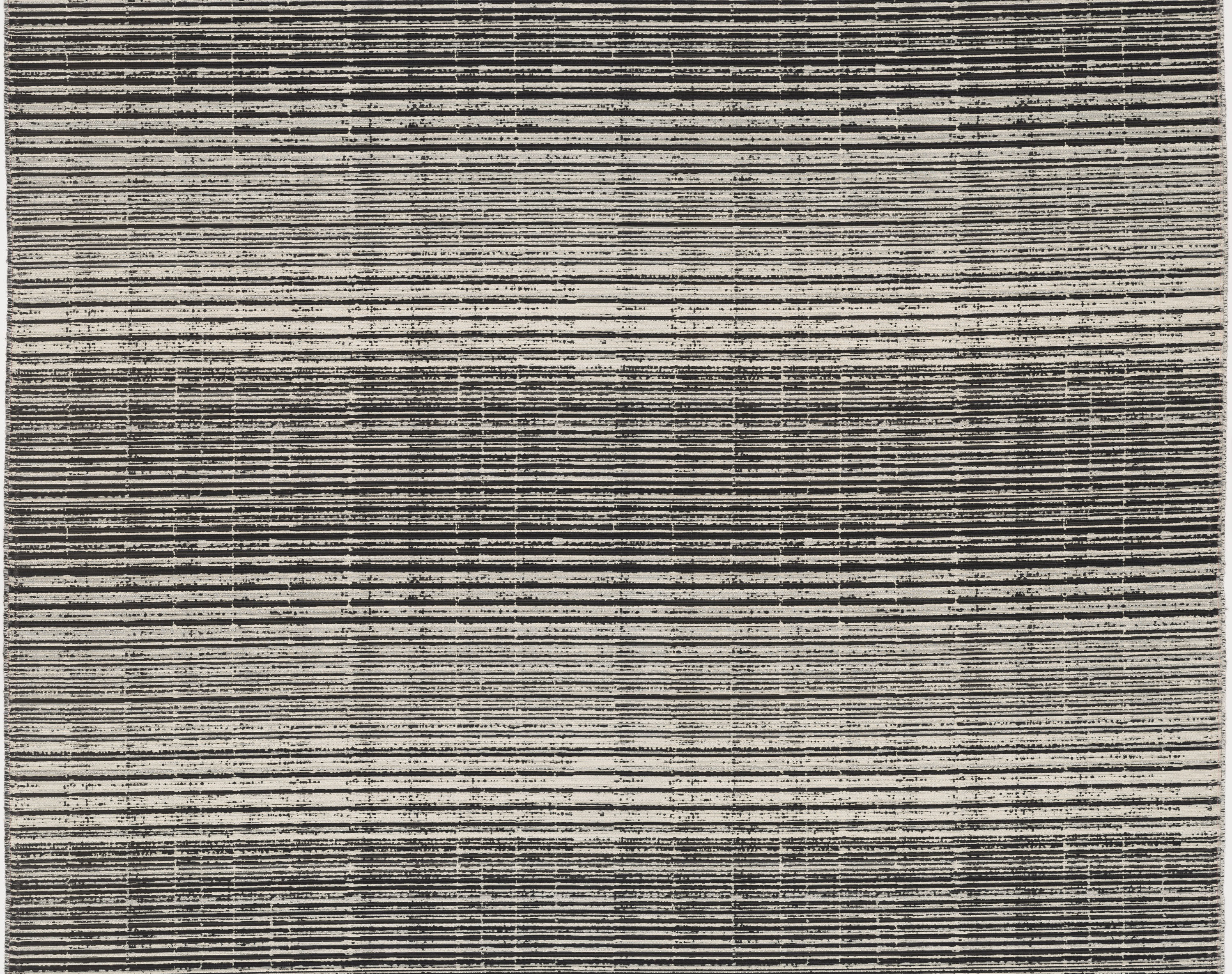
Suzanne Tick is one of the most important American textile designers of her generation. She has always chosen to explore new technologies and fibers in her work while continuing to manipulate existing weaving techniques in innovative ways to produce highly engineered interior textiles. Her creative work in industrial fabrics is balanced by her handwoven and...
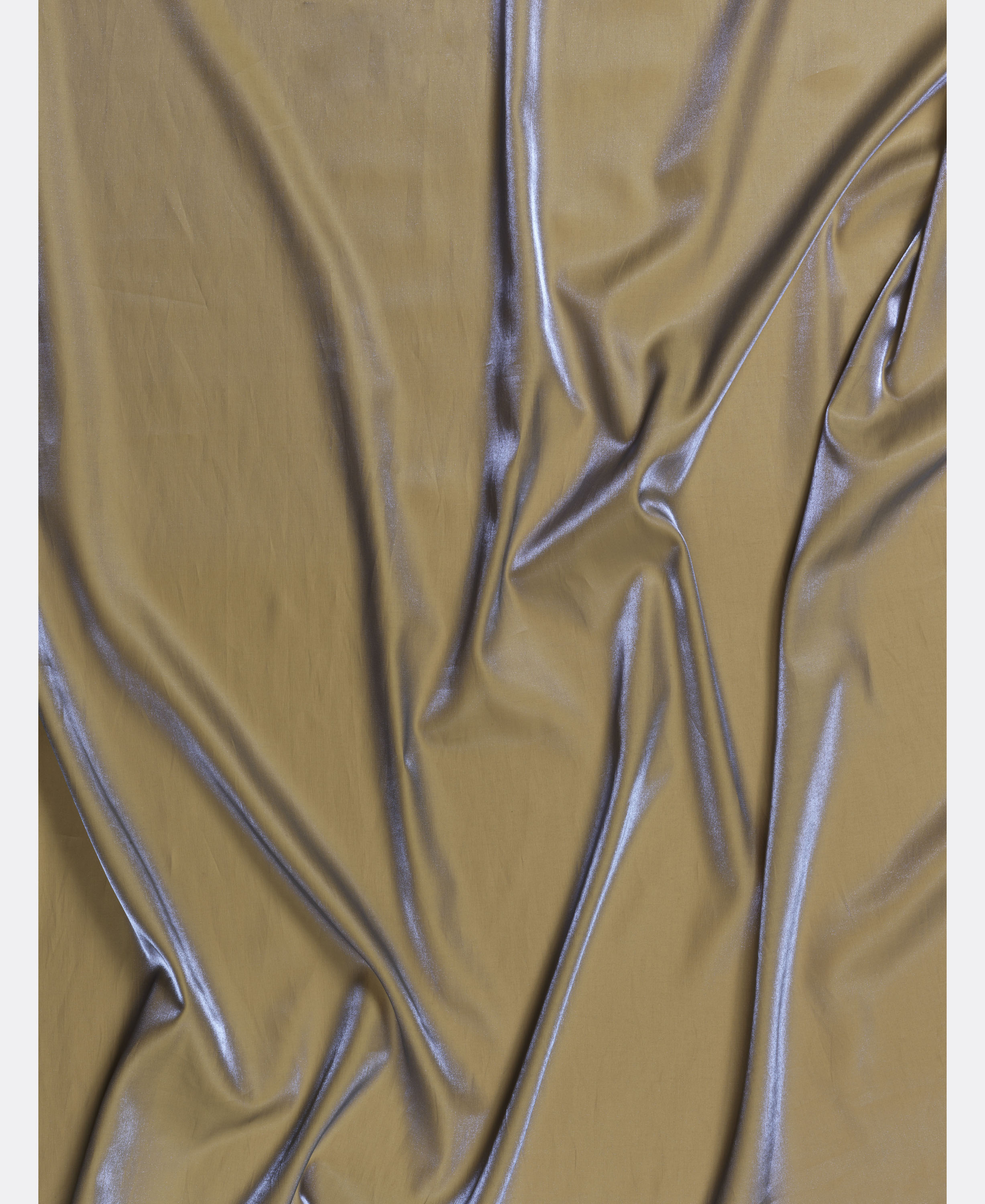
From the archives, an Object of the Day post on an example of iridescent design from the collection.
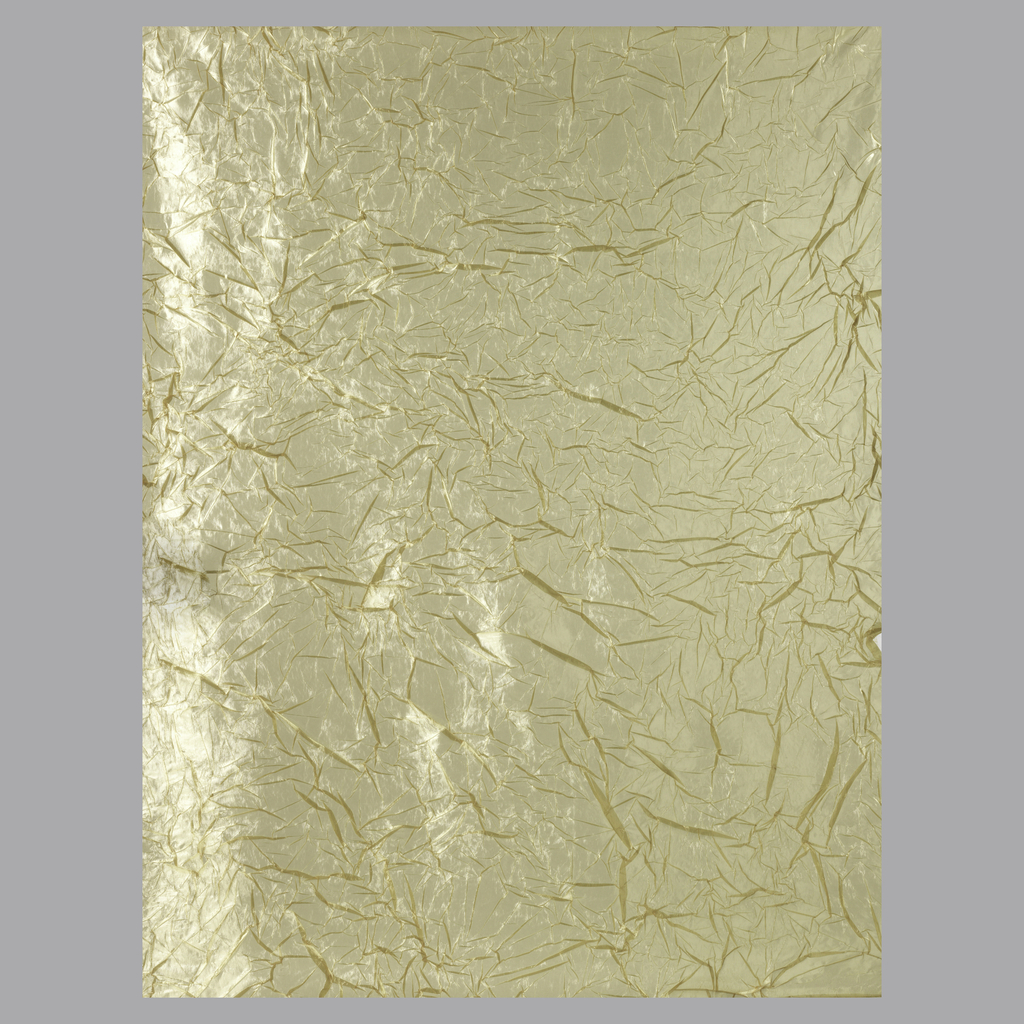
Mica was designed by Reiko Sudo, one of Japan’s most important contemporary textile designers. Educated at Musashino Art University, she and Junichi Arai were the co-founders in 1984 of the Japanese company and store, NUNO, which produces textiles of extraordinary ingenuity and beauty. Sudo and the other designers at NUNO combine tradition and advanced technologies...
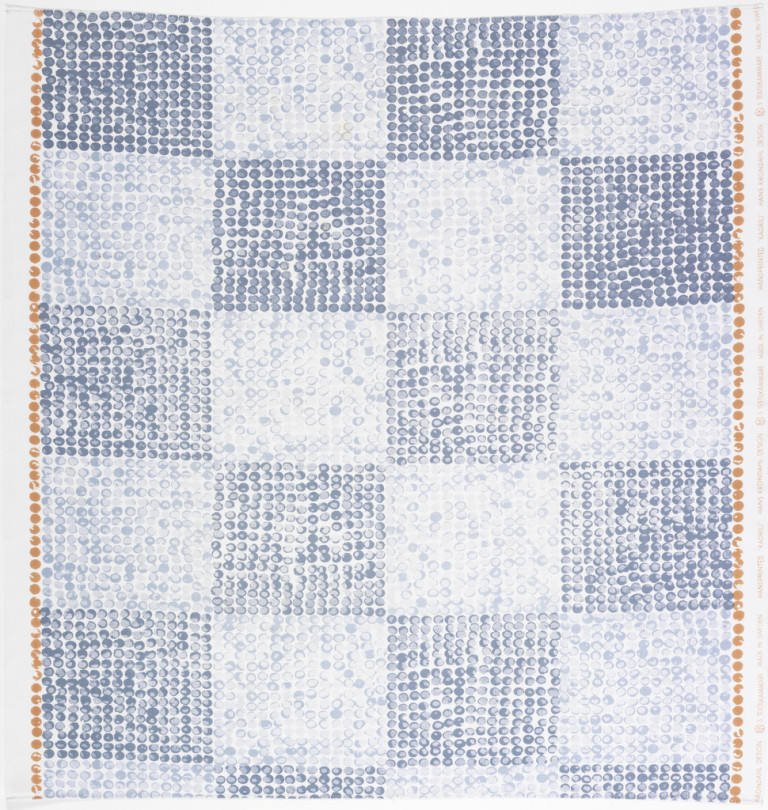
Hans Krondahl is an important Swedish textile designer and fiber artist of the 1960s and 70s. Krondahl graduated from the National College of Art, Craft and Design in Stockholm in 1959. He opened his own studio in 1962, designing both large-scale tapestries for public environments as well as designs for industrially printed textiles. He was...
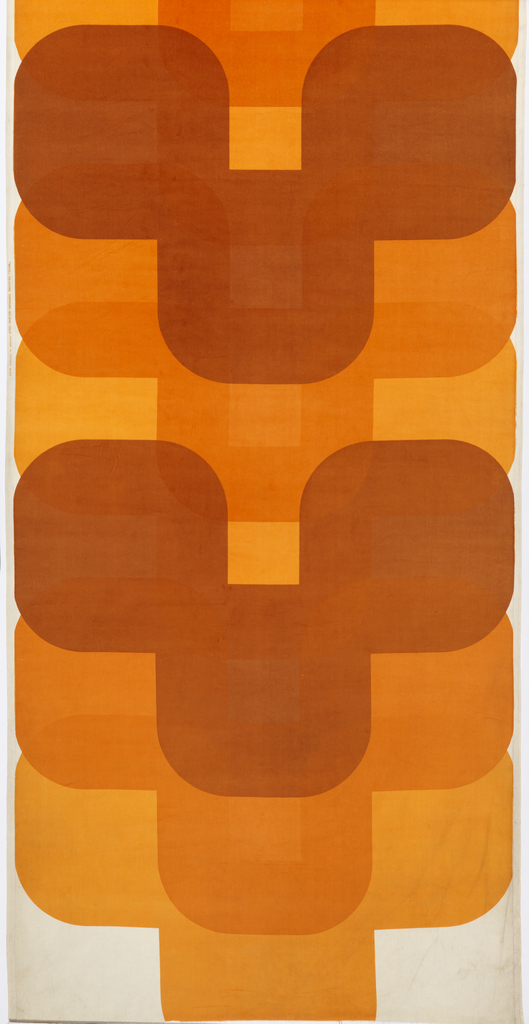
Gaetano Pesce was trained as an architect in Italy, but has also practiced in Paris and currently works in the United States. An extremely successful and influential designer, Pesce has established a reputation as an architect who is opposed to specialization. He has experimented, in his words, in “all fields of creative activity.” His multidisciplinary...
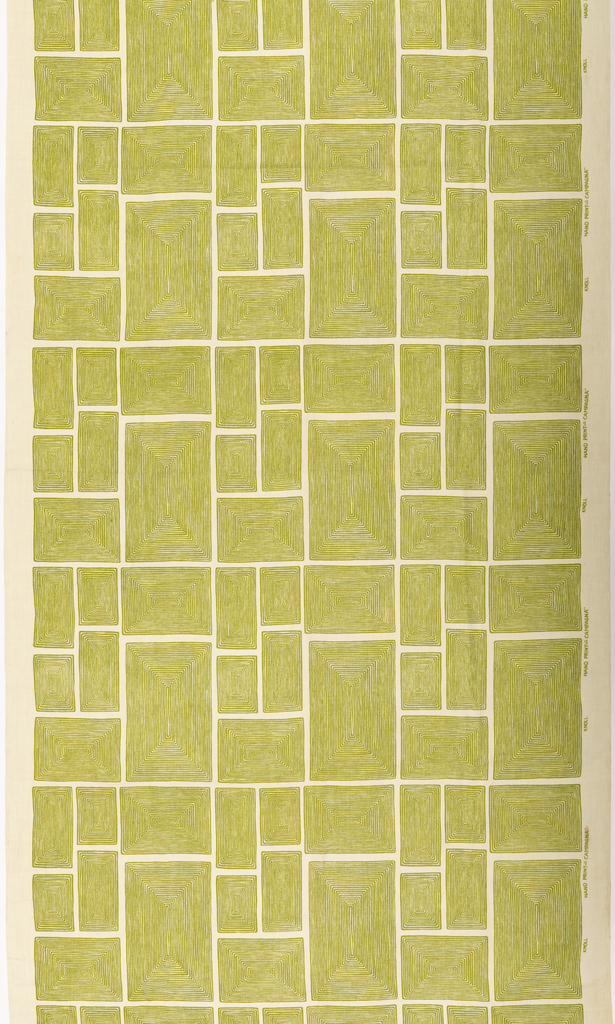
Campagna, likely named after the designer Angelo Testa’s friend, Paul Campagna, epitomizes Testa’s design vocabulary. Designed in 1947 for Knoll Associates, Campagna utilizes Testa’s preferred linear and geometric forms, commonly associated with his Bauhaus training. The hard edges of the concentric rectangles in this textile, however, have been softened by their appearance of being almost...
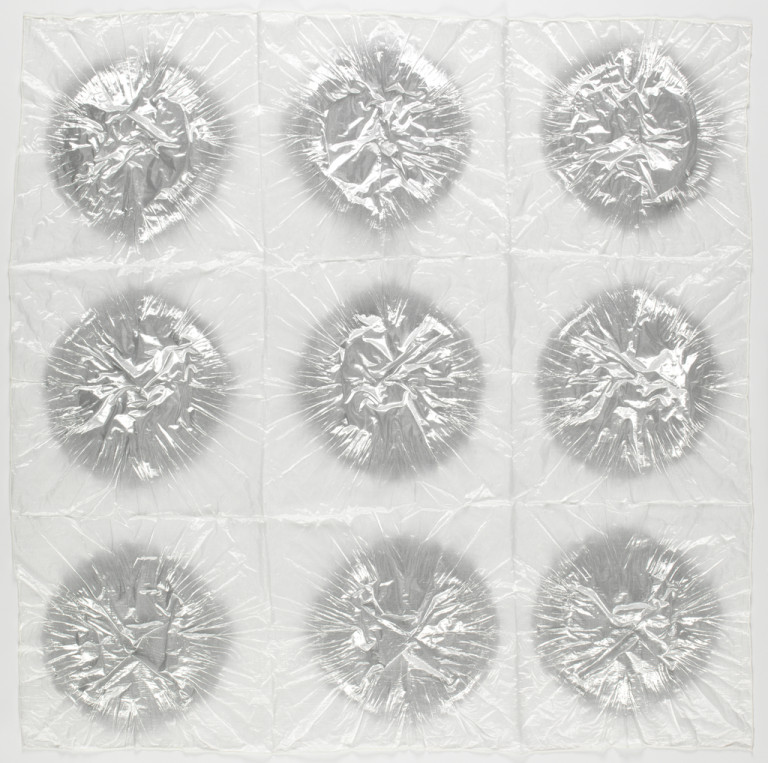
Reflecting Well, by Junichi Arai, continues his life-long investigation into materials and textile techniques and the transformation of two-dimensional cloth into sculptural and vibrant surfaces. In this polyester and aluminum piece, Arai combines a melt-off technique, which dissolves the metallic thread leaving behind a transparent cloth, with shibori, a type of tie-dyeing technique that, in...
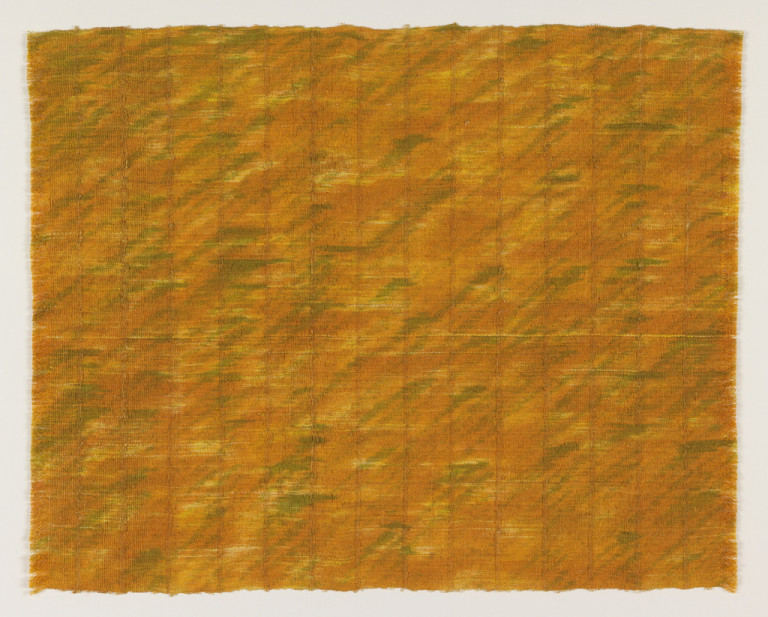
Jun Tomita is a Japanese textile artist who has worked with the traditional dyeing technique of kasuri for over two decades, while adding his own rich and contemporary interpretation. Kasuri, the Japanese word for ikat (which is derived from the Malay-Indonesian word mengikat, meaning "to tie or to bind"), has been popular in Japan since...
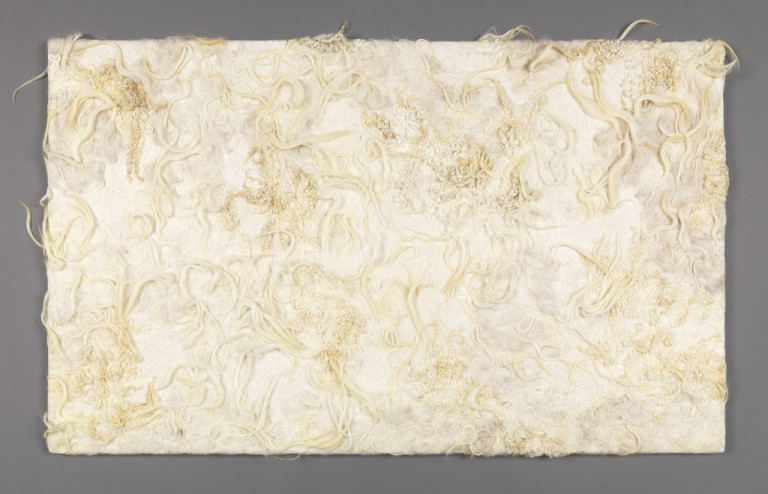
Claudy Jongstra is a contemporary textile designer who practices the ancient technique of felting. Jongstra’s fabrics have a raw elegance that comes from her use of materials such as wild silk, wild linen, and wild cashmere, as well as the special (and proprietary) techniques she has developed in her felting. Jongstra even goes so far...
