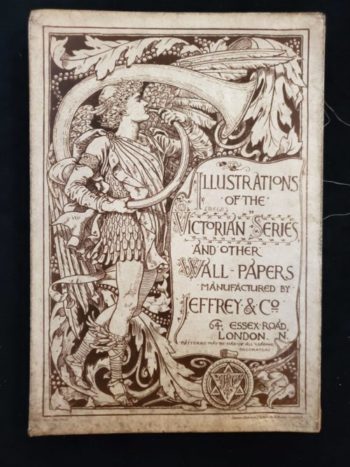
The wallpaper manufacturer, Jeffrey & Co. published the trade catalog, The “Victorian” wall-papers, embossed leather-papers, staircase decorations, ceiling papers, detailing their collection of wallpapers, in 1887. Based at 64 Essex Road in London, the firm worked with a variety of designers who were active in the aesthetic and arts and crafts movements, such as E.W....
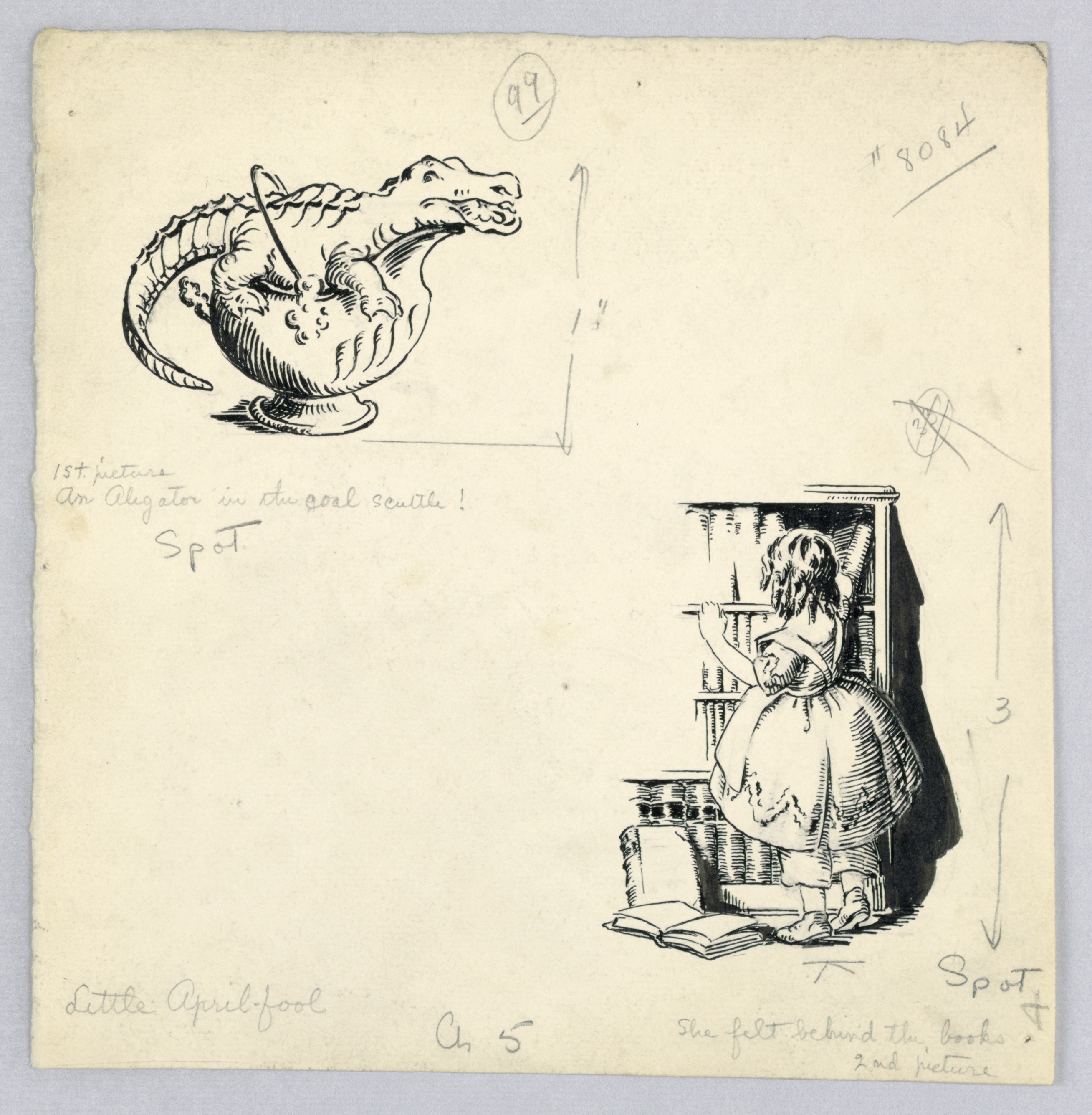
The collection at Cooper Hewitt, Smithsonian Design Museum includes nearly 500 drawings from the estate of illustrator Florence Choate. Born in Elizabeth, New Jersey, in 1878, Choate studied at the Art Students League in New York where she was awarded scholarships in portrait and figure drawing. There, she met fellow student Elizabeth A. Curtis, who...
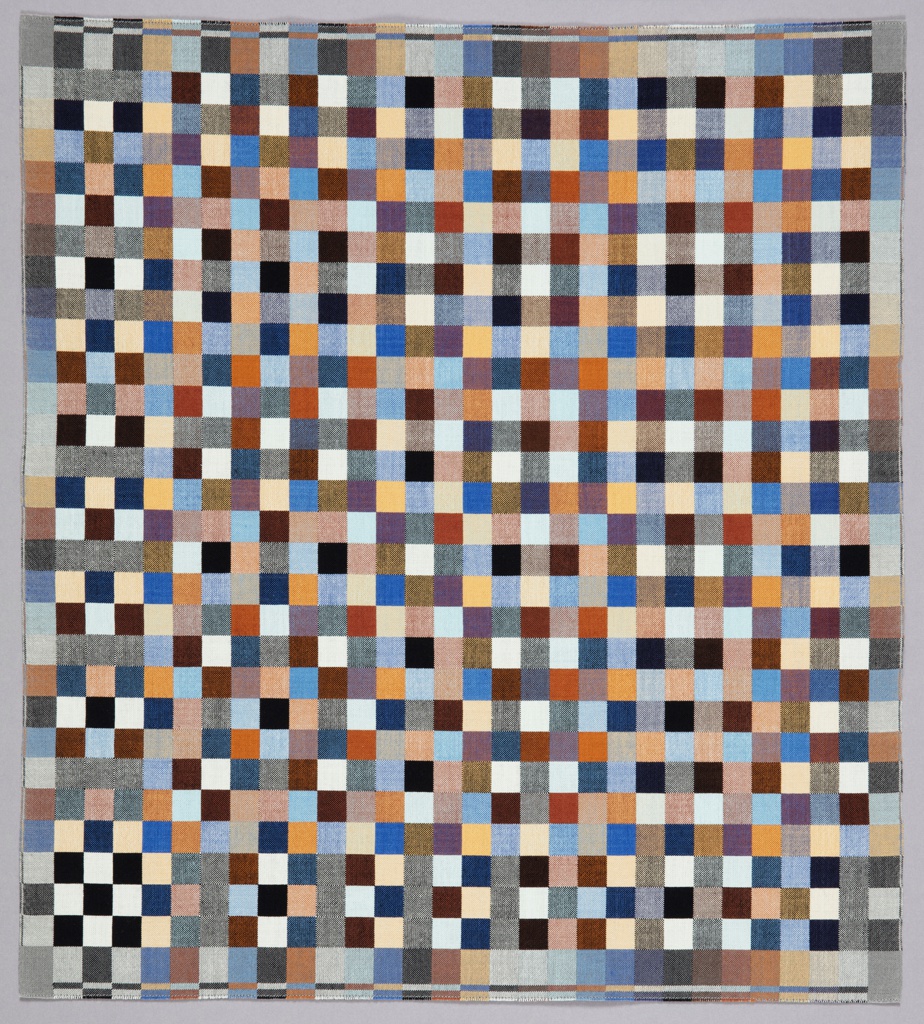
American weaver Richard Landis’s works are characterized by complex design systems that echo the logic of their construction with a limited vocabulary of materials, texture, geometric forms, and colors. From his earliest days at the loom, Landis decided he would work only in plain weave and within the opportunities offered by handwoven, loom-controlled design. He...

This bronze brooch by John Iversen, in the form of a delicate decaying leaf with all its ripples and tears, celebrates the variety, cycles, and even decline found in nature. Variations in the metal’s color and finish meticulously capture a dry leaf’s faded hues and brittle textures, heightening a sense of nature’s unpredictability and randomness....
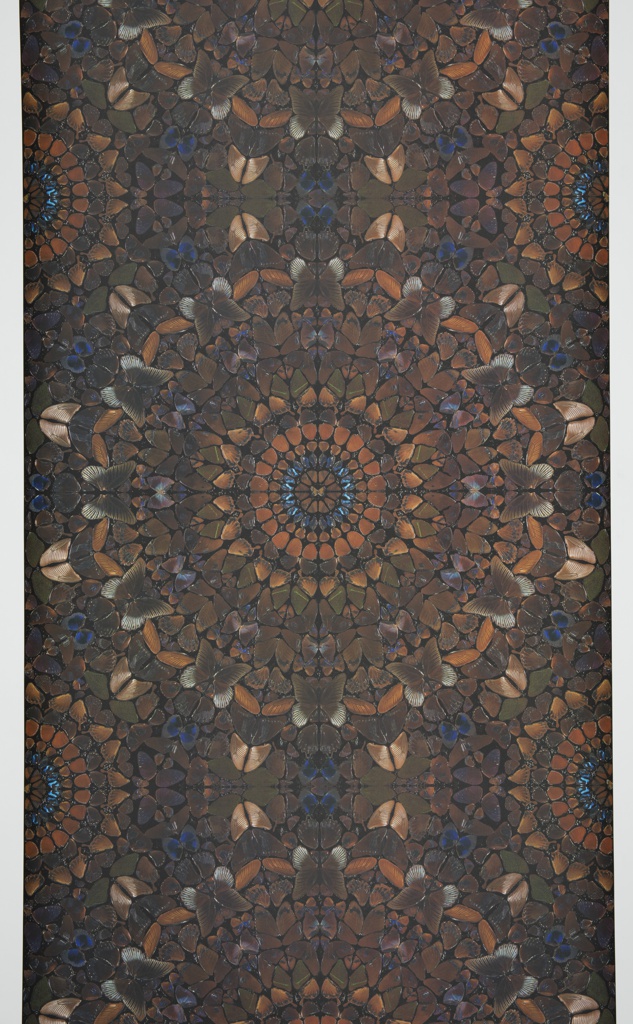
Thought it was time to show another wallpaper by Damien Hirst. Like many modern and contemporary artists who turn to wallpaper design, Hirst uses his artwork or installations as inspiration. This is based on the “Kaleidoscope” paintings Hirst began creating in 2001, where butterflies, or butterfly wings, were arranged in elaborate patterns and adhered to...
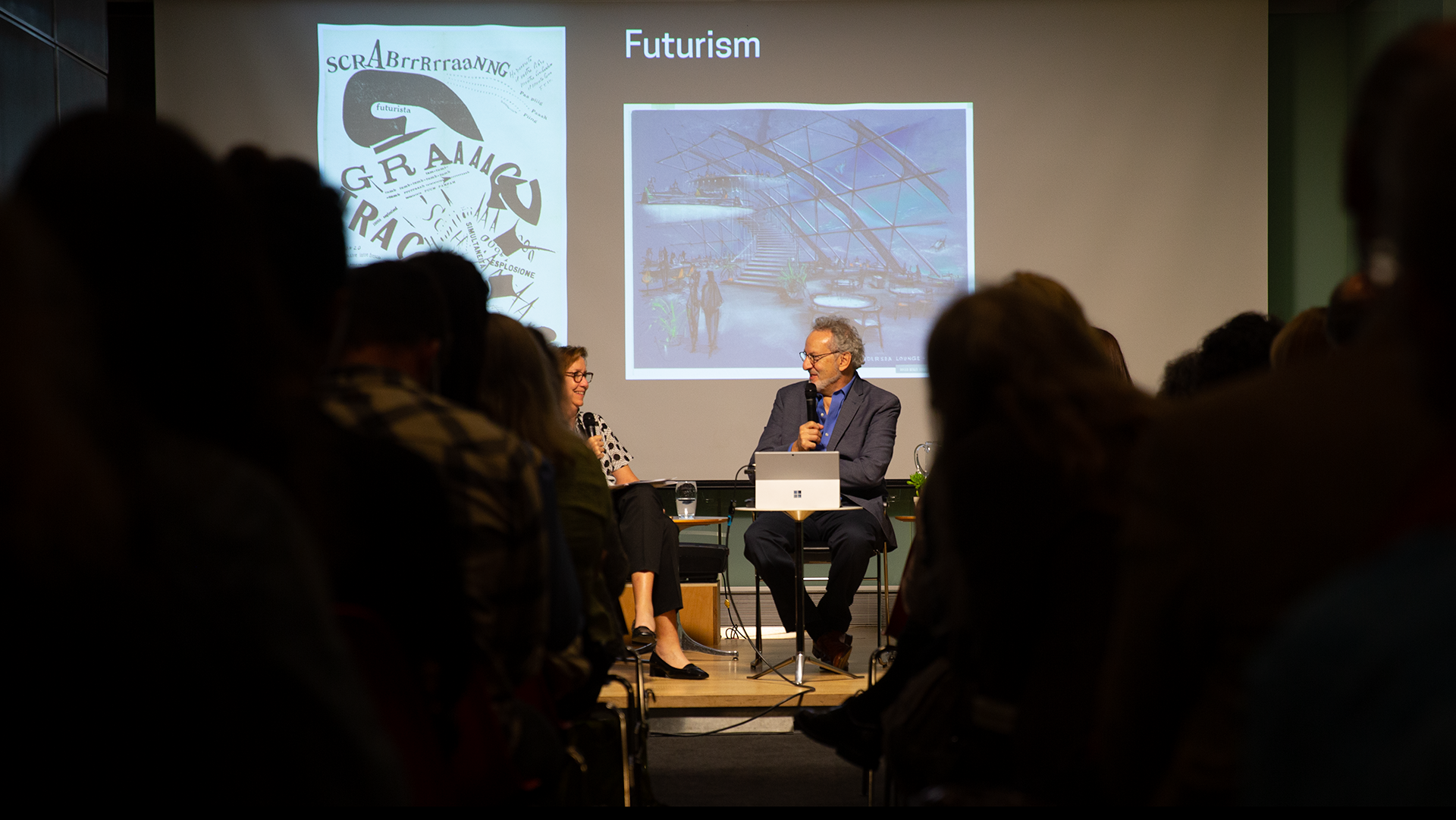
The beauty of natural forms and their underlying design principles provide living organisms with their incredible strength, resilience, and efficiency. Matilda McQuaid, Deputy Director of Curatorial and Head of Textiles leads a discussion with Don Ingber, founding director of the Wyss Institute for Biologically Inspired Engineering at Harvard University, and his co-faculty member Pamela Silver....
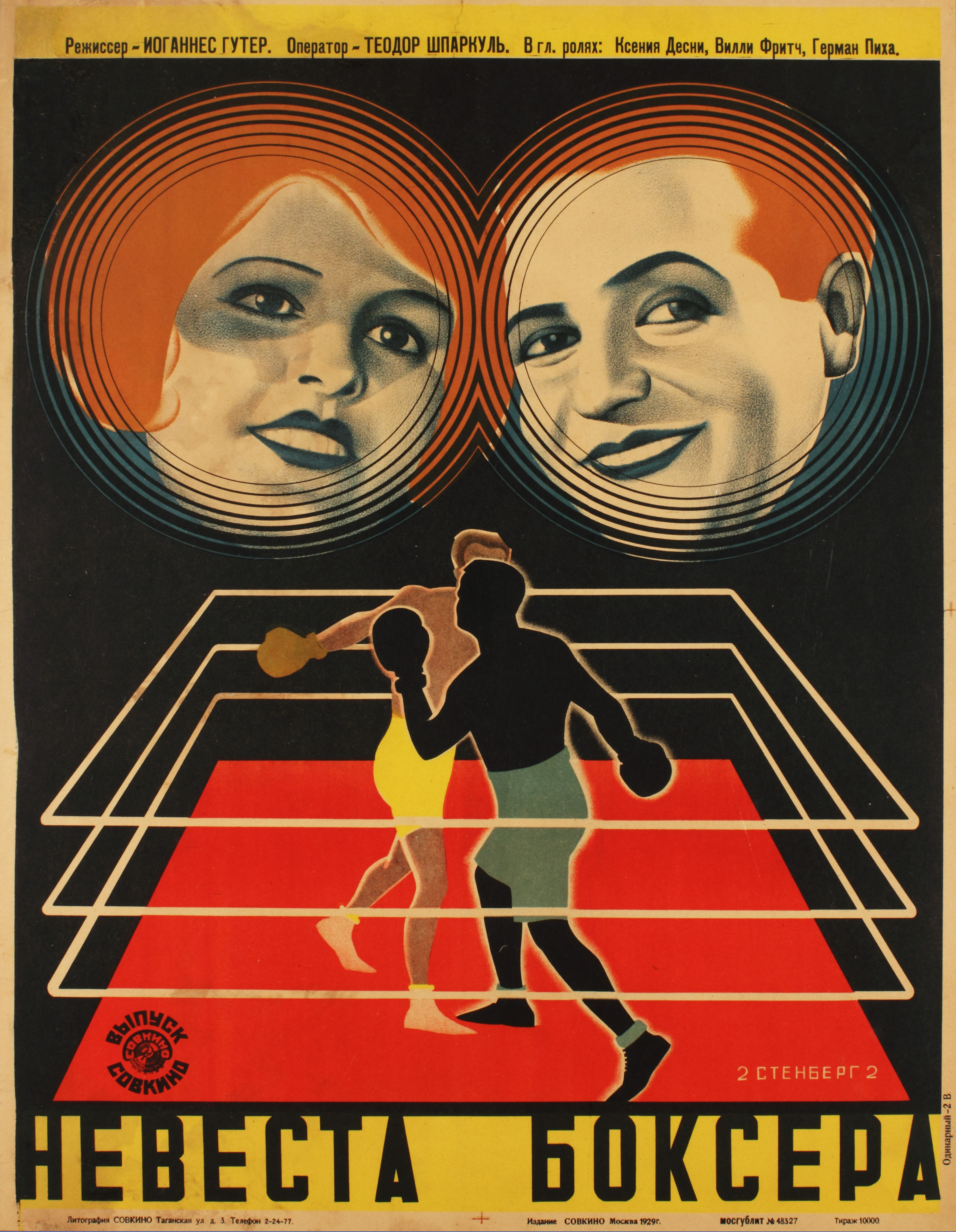
In the early years of the Soviet Union, there was a strong urge to understand all elements of life in terms relating either to the bourgeoisie or the proletariat. Many longstanding assumptions pertaining to the role of arts and leisure in society were subject to ideological debate. Constructivist artists, eager to secure a role for...
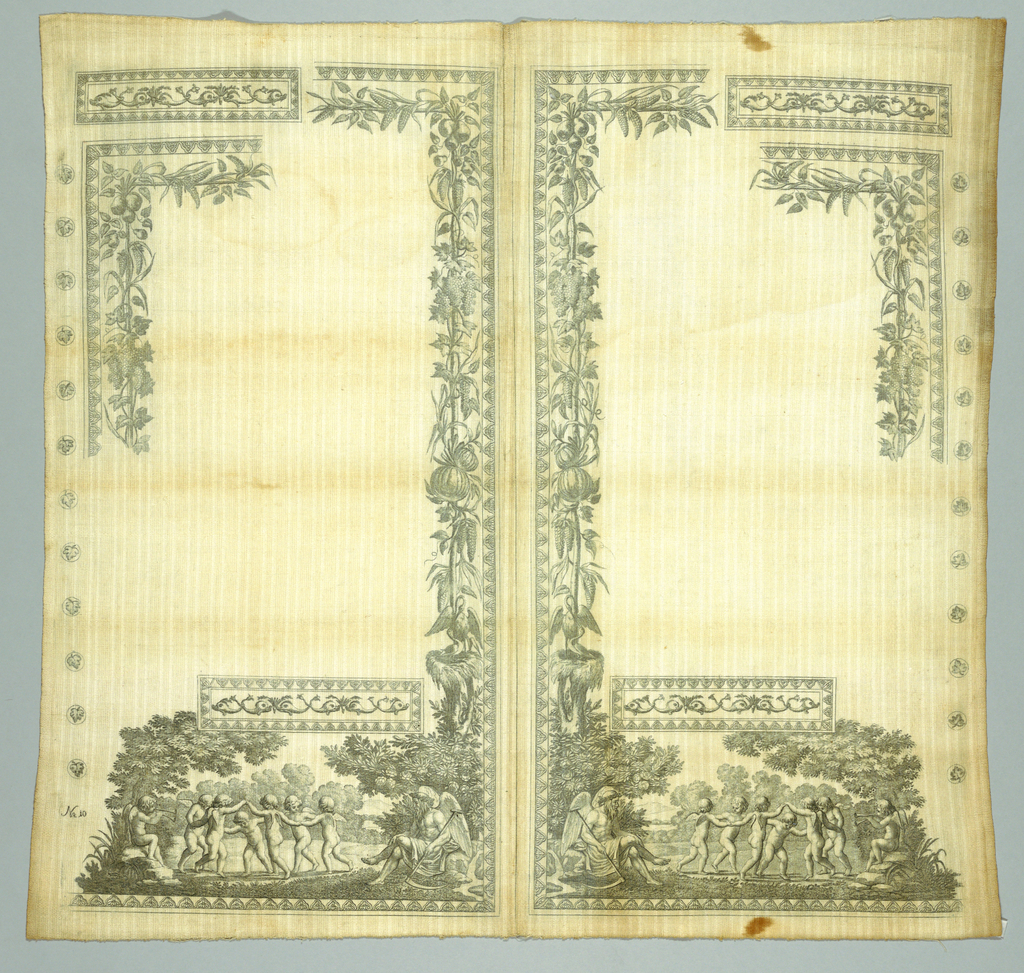
Author: Virginia Pollock While this textile might seem unrecognizable to modern eyes, to consumers in eighteenth-century France this textile was an object of fashionable and economic significance. These uncut waistcoat fronts display the layout of a pattern, adorned with copperplate printed motifs of vegetal imagery, intertwined dolphins, and a wooded scene at the bottom with...

Designers Rutger de Regt and Marlies van Putten, the principals of Handmade Industrials, are both inspired and concerned by today’s production processes that are increasingly driven by computers. They ask, are we reducing or removing the presence of human experience and experimentation in manufacturing? Are we losing touch with our environment—is it becoming increasingly artificial?...
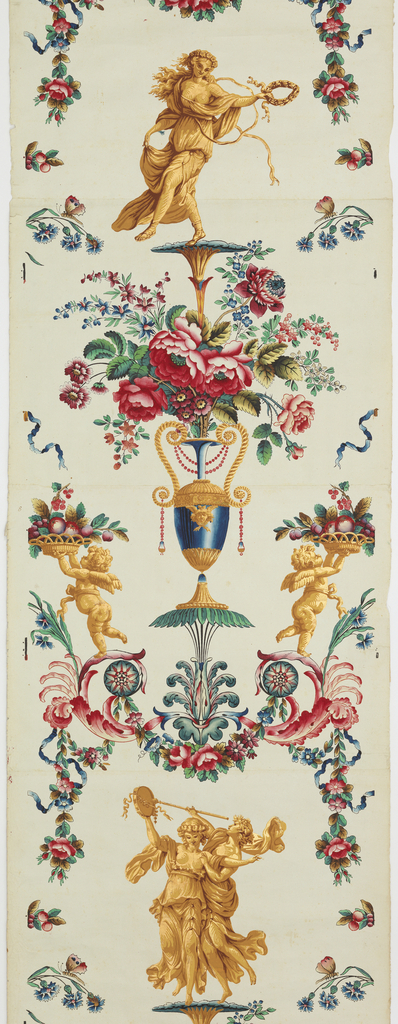
France started making advancements in wallpaper manufacture in the 1770s, and by the 1780s they were making papers of a quality that has never been surpassed. Réveillon is one of the better-known manufacturers from this period, and was most celebrated for his arabesque designs, which were influenced by the recently discovered wall paintings at Herculaneum...

The Day of the Dead is celebrated in the publication, Gran Baile de Calaveras, un Libro Túnel [The Dancing Skeletons Tunnel Book], by Joan Sommers, a work in the Cooper Hewitt Smithsonian Design Library. The book is a concertina-like folding form, composed of five separate scenes, each on a different panel. When viewed through the...

“Herbert Bayer: Bauhaus Master” marks the centenary of the founding of the Bauhaus in Weimar, Germany, in 1919 and features rare works by the groundbreaking 20th-century graphic designer Herbert Bayer. On view in the second-floor permanent collection galleries from Nov. 16 through April 5, 2020, the exhibition follows Bayer’s role as both student and teacher...

Cooper Hewitt, Smithsonian Design Museum is pleased to announce the appointment of Jon C. Iwata as chair of its board of trustees. Iwata succeeds Elizabeth Ainslie, who will remain on the board as a trustee and a member of the executive committee. The Smithsonian’s board of regents also voted Oct. 21 to appoint Crystal English...
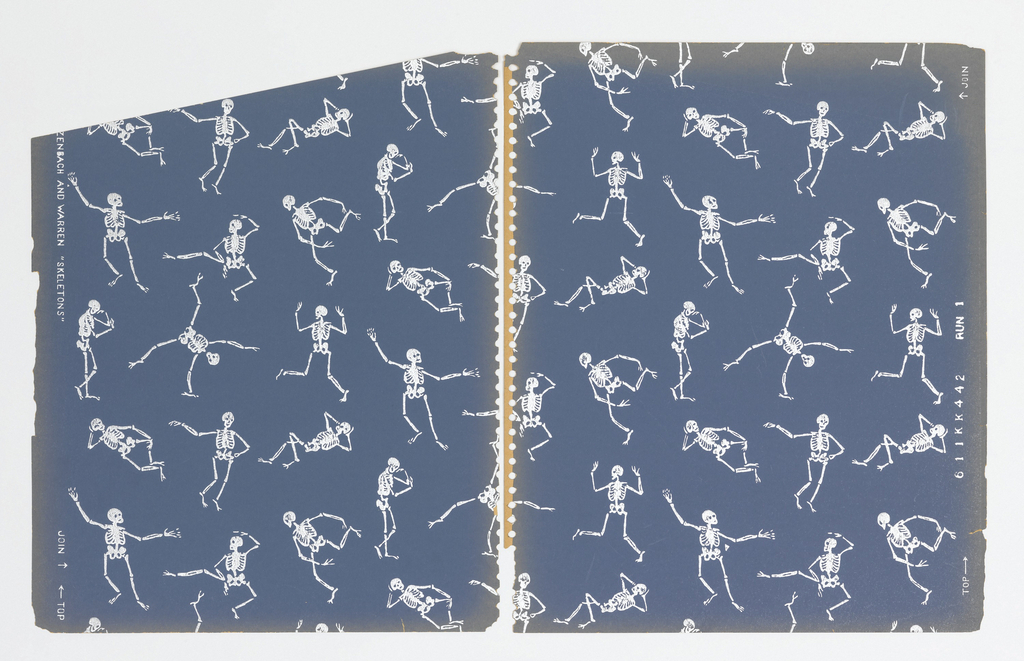
Perfect for the Halloween season is this wallpaper aptly titled “Skeletons”. The pattern is composed of skeletons each assuming a different wacky pose. There are nine different poses in total, forming a neat grid, but the designer’s skill in placing the motifs creates a nice overall flow which appears to contain an unlimited variety of...
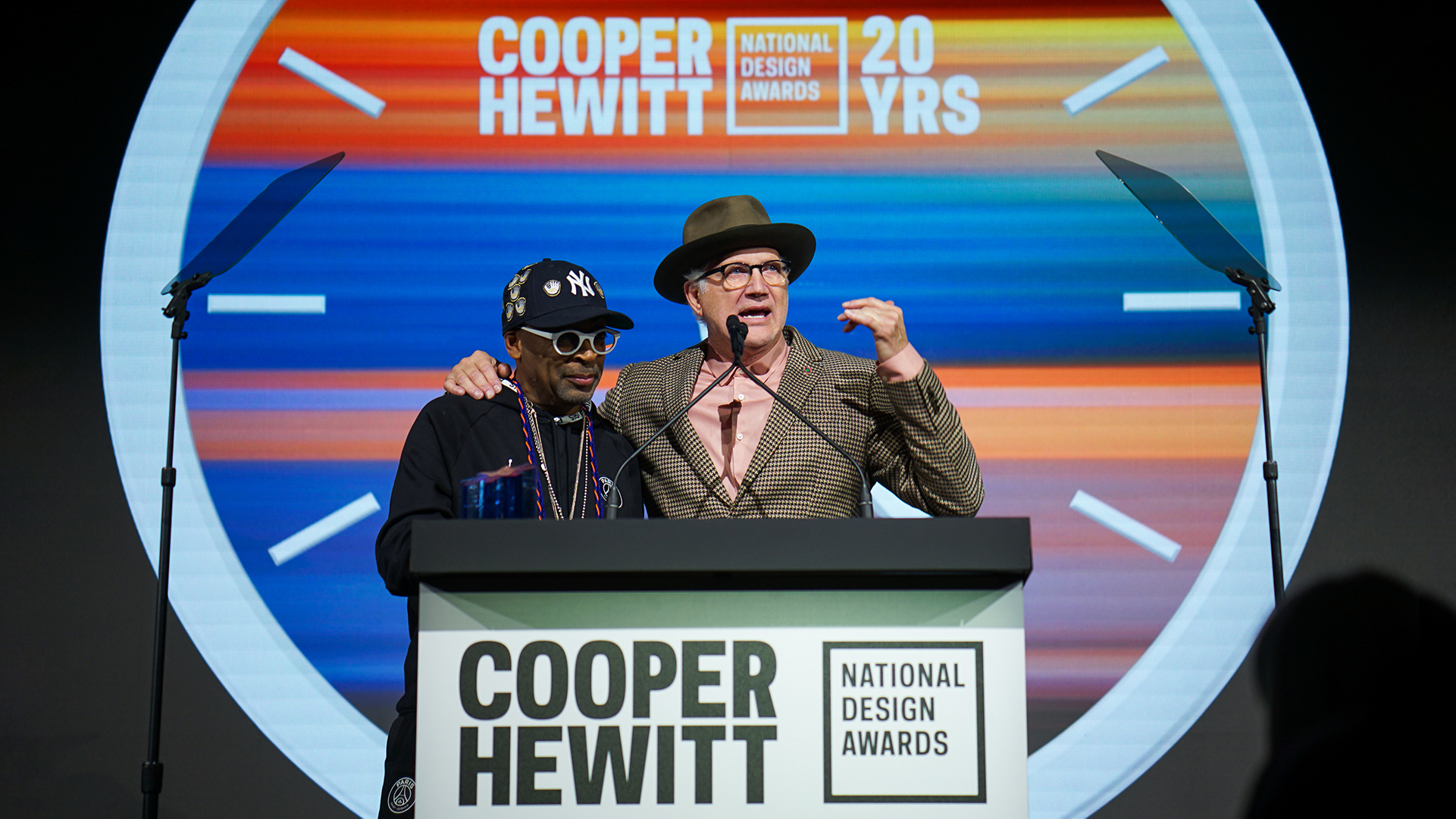
Live from Cooper Hewitt, Smithsonian Design Museum in New York City. The 20th Annual National Design Awards is made possible by generous support from Target. Additional support is provided by Design Within Reach, Facebook, and Bloomberg Philanthropies. National Design Award trophies are created by The Corning Museum of Glass. ndagallery.cooperhewitt.org is powered by Behance, part...
