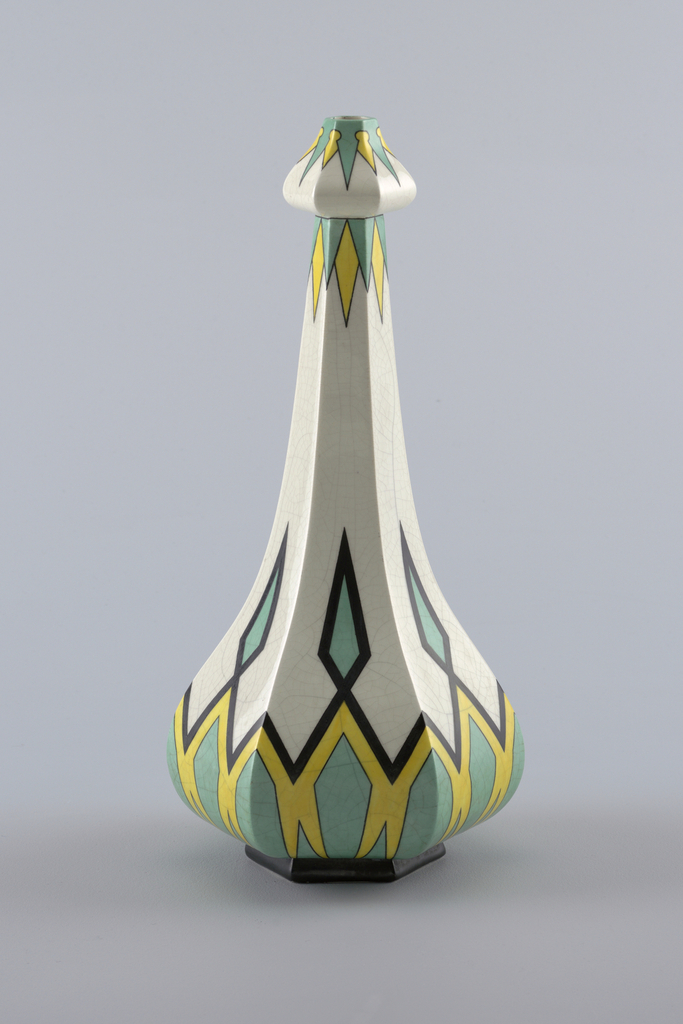
The remarkably graphic, geometric pattern of bright yellow and sea-green crystalline forms that map the surface of this elongated, arrow-like vase appear definitively modern. The origin of this decoration, though, is decidedly not. This vase was made by Arabia, the principal industrial pottery in Finland during the opening decade and a half of the twentieth...
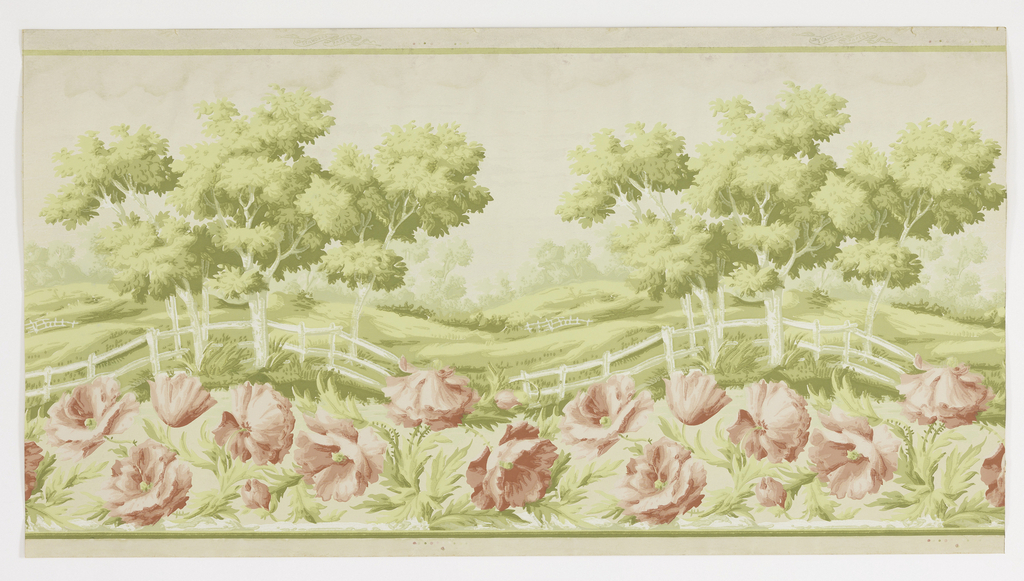
This is a fun frieze, also known as a wide border, produced in America during the early years of the twentieth century. It captures a bucolic scene of rolling hills, white picket fences, and fields of red poppies. I almost expect to see horses trotting by, or cows grazing. The design has a deep perspective...
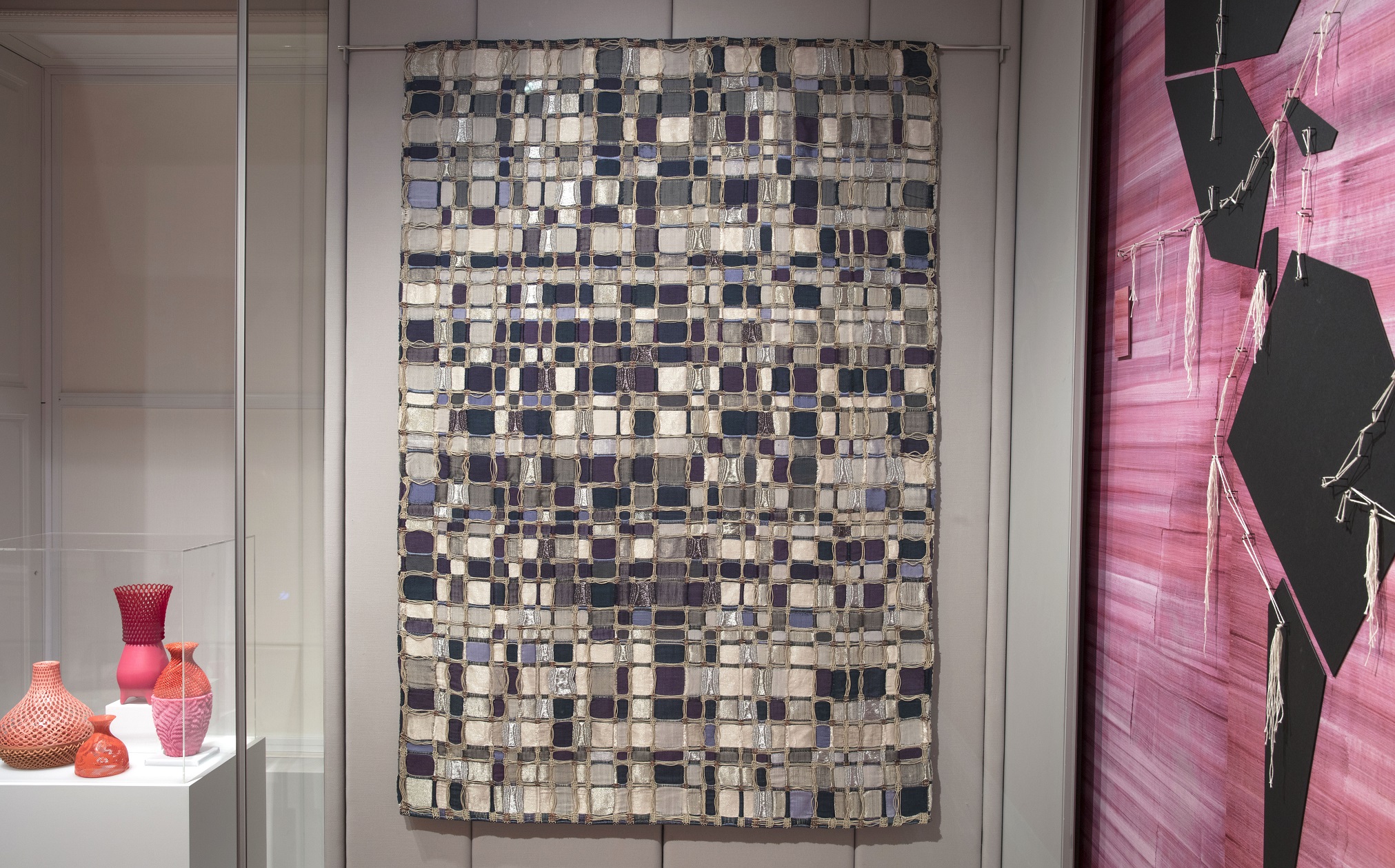
by Jessica Walthew (objects conservator), Kira Eng-Wilmot (textile conservator), and Pauline Nguyen (conservation intern) Nebula by Eduardo Portillo and María Dávila is made with a beautiful variety of fibers and dyes, including indigo in different intensities and in combination with the red dye cochineal to yield a dark purple color. This woven textile features an...

Herbert Bayer is known for his work as a student and teacher at the Bauhaus, the famous German art school that integrated art, design, and daily life. During Bayer’s formative years at the Bauhaus (1921–1928), he helped create the modern discipline of graphic design by using photography, type, and geometric systems to promote products and...
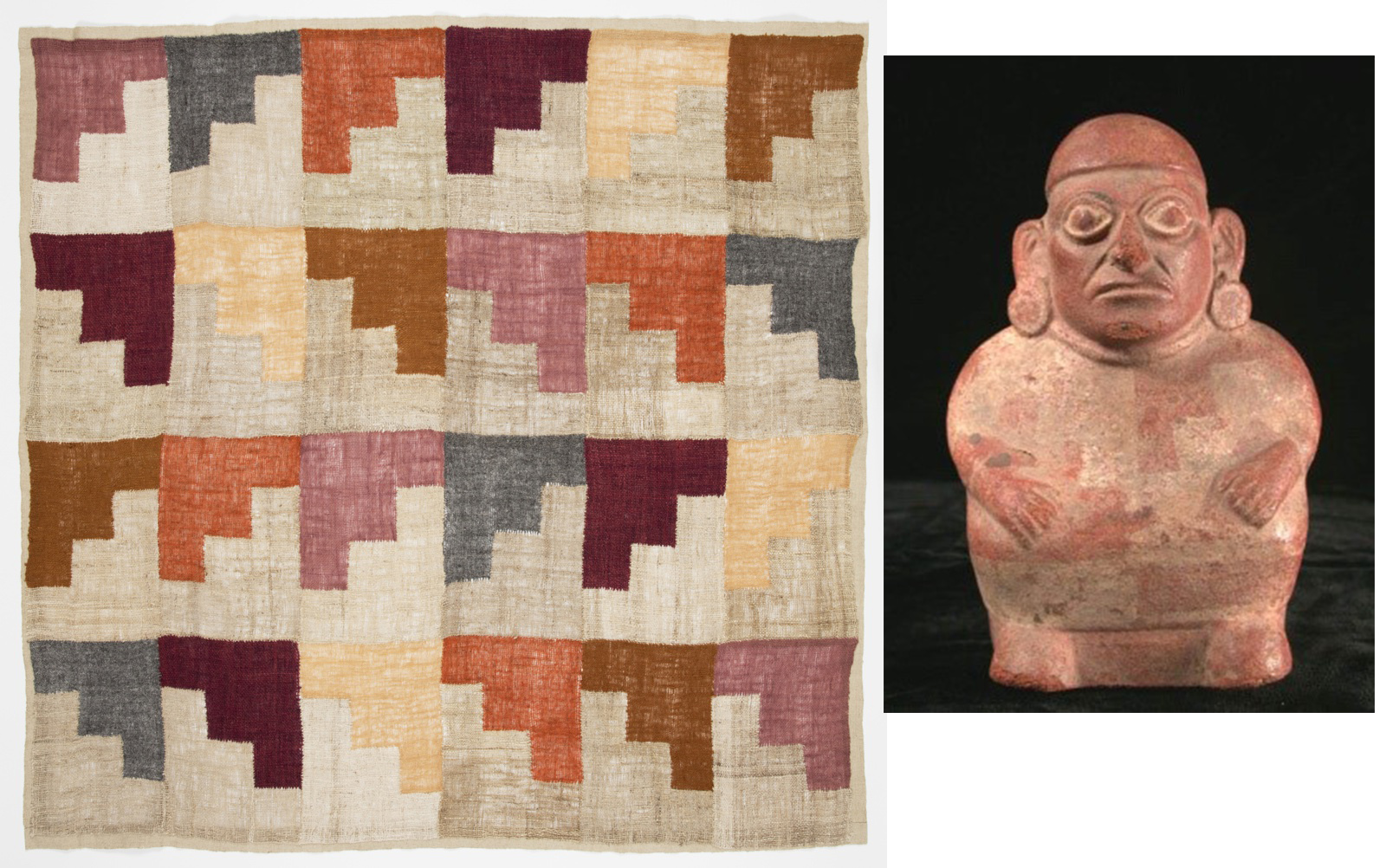
by Jessica Walthew (objects conservator), Kira Eng-Wilmot (textile conservator), and Pauline Nguyen (conservation intern) Several contemporary designers featured in our current exhibition Nature by Design: Cochineal (November 16, 2019–May 25, 2020) were inspired by historic materials and chose this fascinating cochineal dyestuff for their work. James Bassler’s textile Six X Four II is made with discontinuous warps...
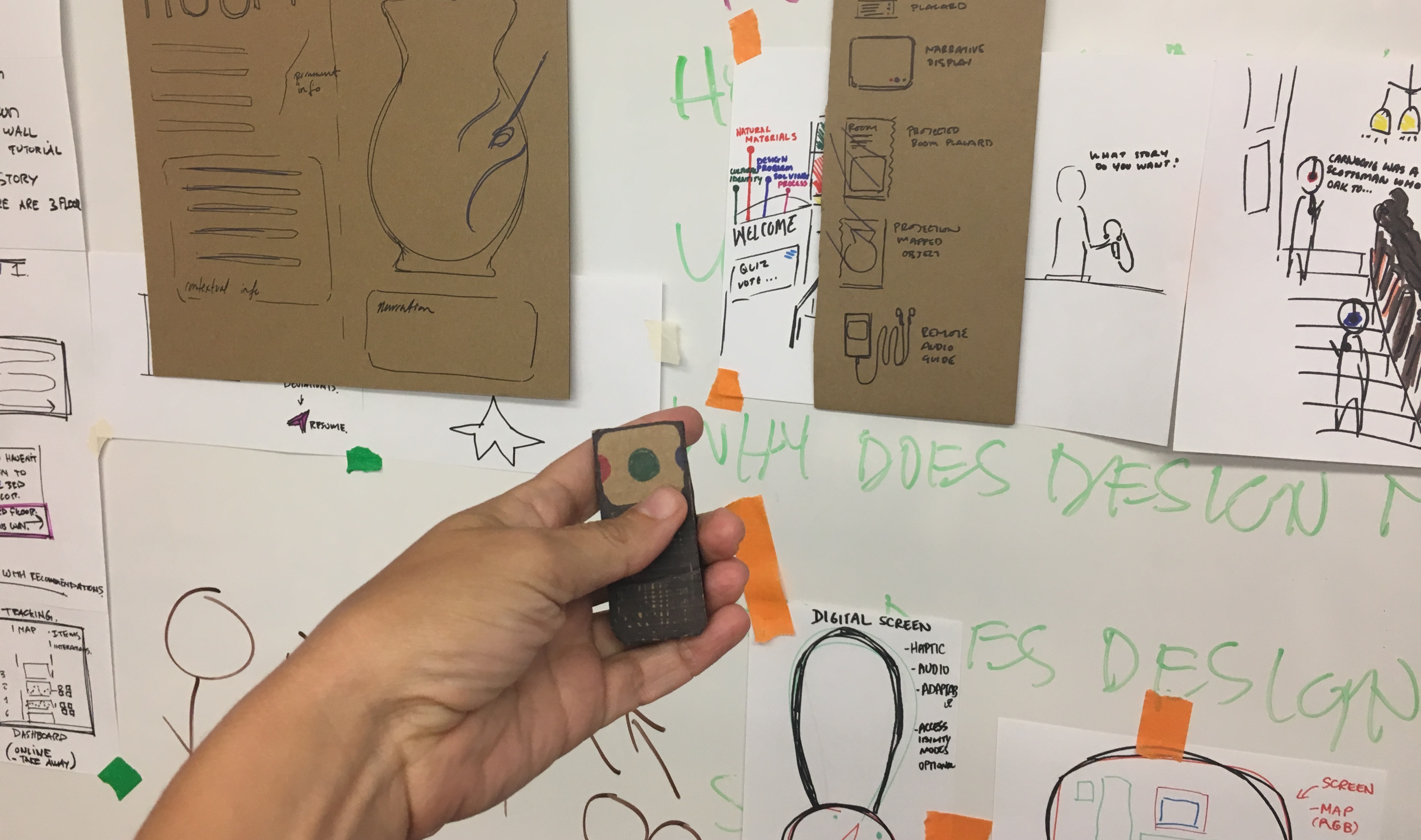
Fantastically good at inspiring and educating visitors as trusted collectors and conservators of history, museums amplify cultural access by presenting stories and ideas that provoke rich dialogue about the past, present, and future. In fact, according to the American Alliance of Museums (AAM), museums are considered to be the most trustworthy source of information around,...
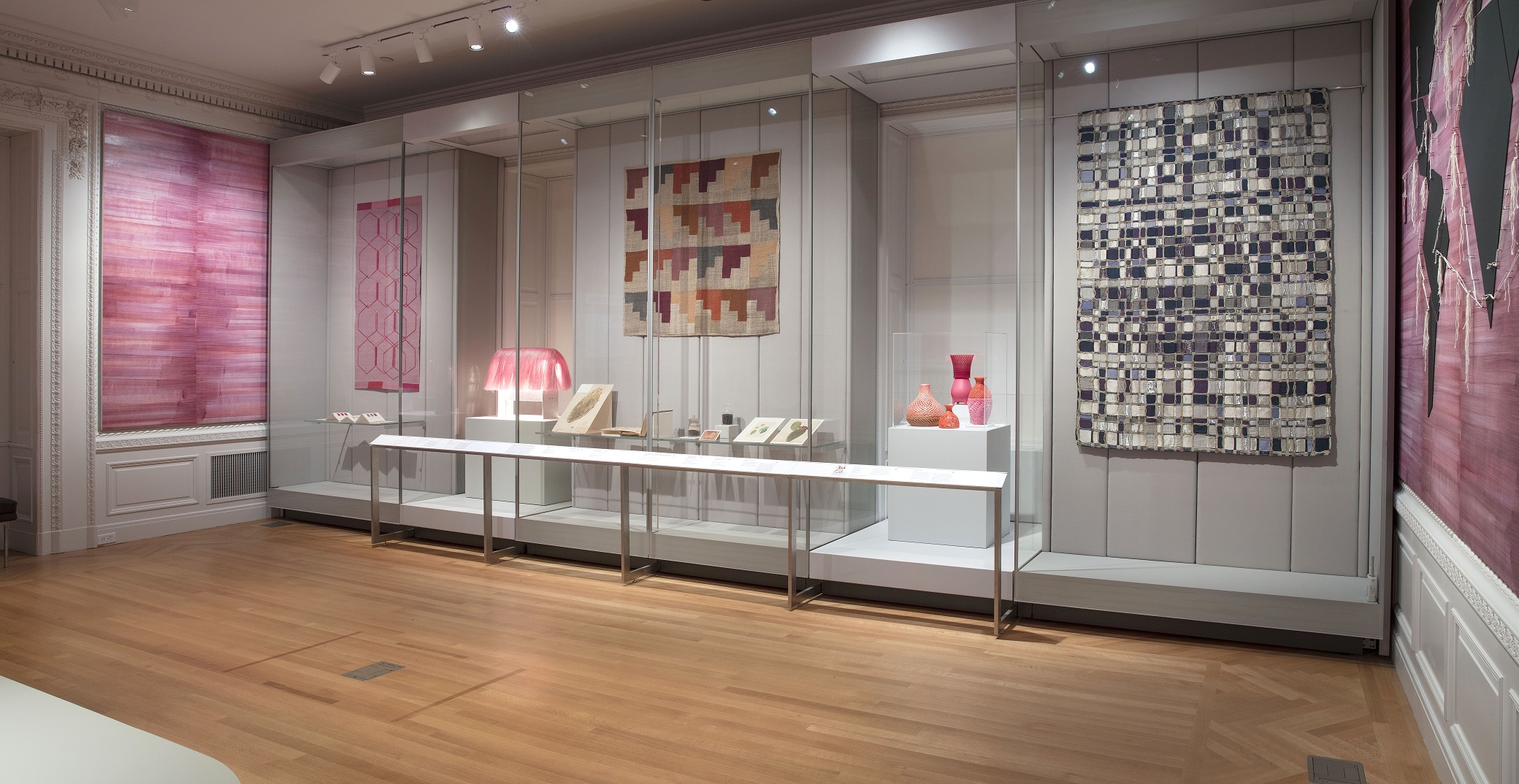
by Jessica Walthew (objects conservator), Kira Eng-Wilmot (textile conservator), and Pauline Nguyen (conservation intern) Cooper Hewitt’s Conservation team recently acquired a Multiband imaging (MBI) photography kit, a useful tool for investigating pigments, coatings, and other artistic materials. In preparation for the exhibition Nature by Design: Cochineal, we worked with our summer intern Pauline Nguyen to...
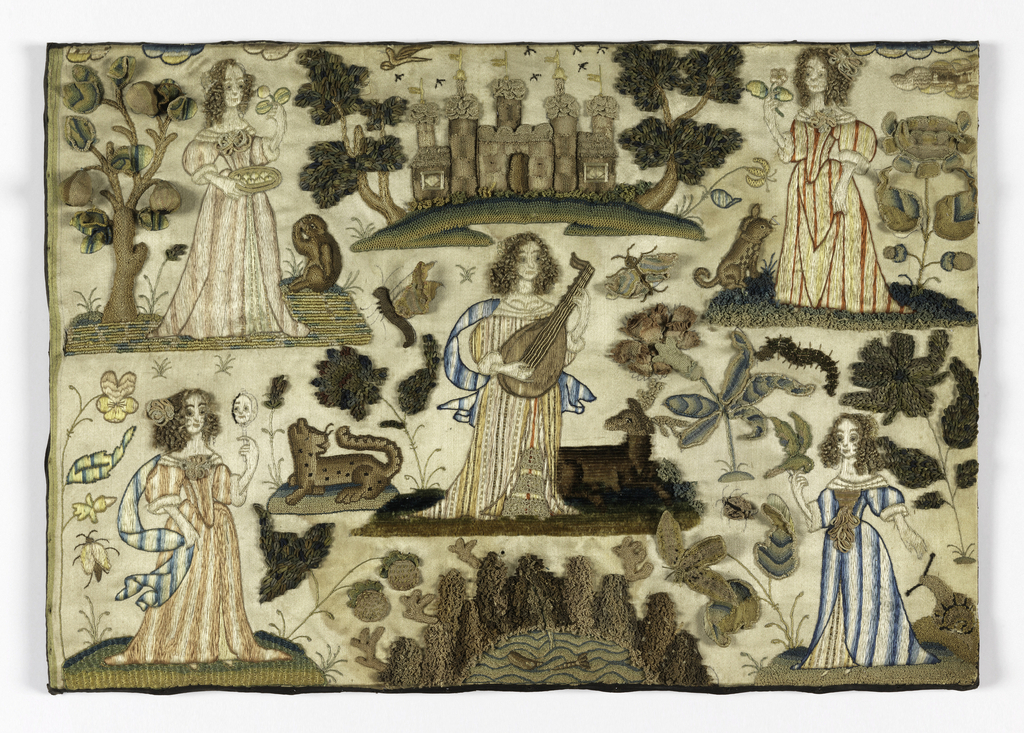
Author: Katherine Diuguid The wealth of needlework techniques on display in 17th century English raised-work embroideries is a reminder that these pictures functioned as samplers, in which amateur embroiderers would test out different techniques as they progressed in their needlework skills. Whether depicting Biblical or mythological characters, female figures rendered in contemporary dress often enjoyed...
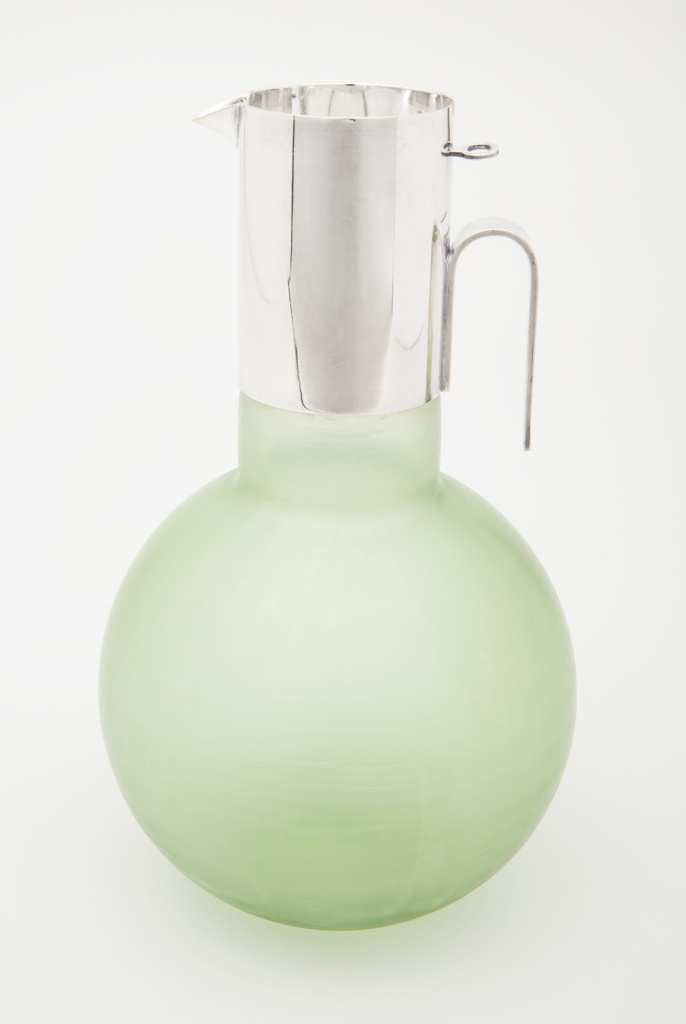
Designer Massimo Vignelli was known for the sense of sophistication and refinement he brought to the product, graphic, and furniture design that he produced first in Italy, and later in the U.S. working with his wife Lella, also a designer. While a student at the School of Architecture in Venice, Vignelli learned about glass from architect and glass...
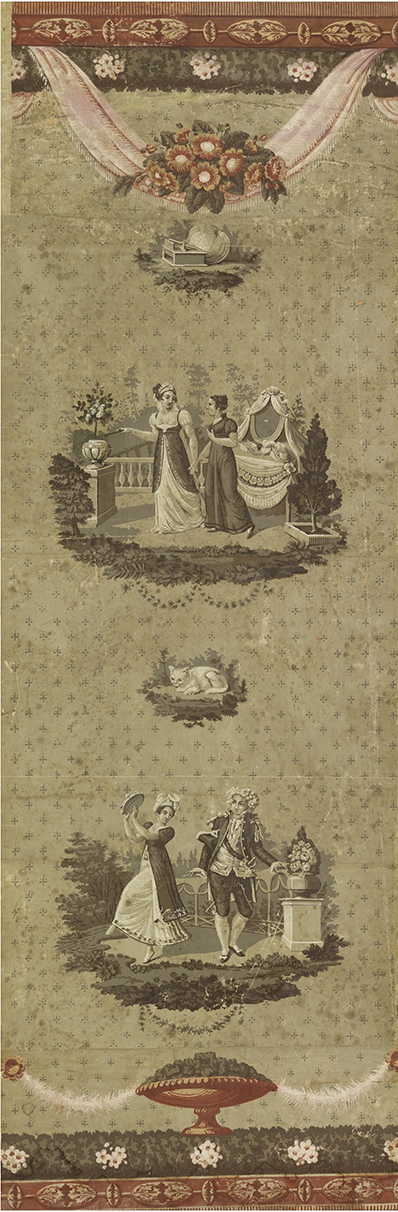
This wallpaper format is fairly typical of a new genre that appeared following the upheaval of the French Revolution. The designs consist of one or two landscape views which alternate with one or two smaller secondary elements. These are almost always printed over a spotted or otherwise patterned ground. This particular design contains two each...
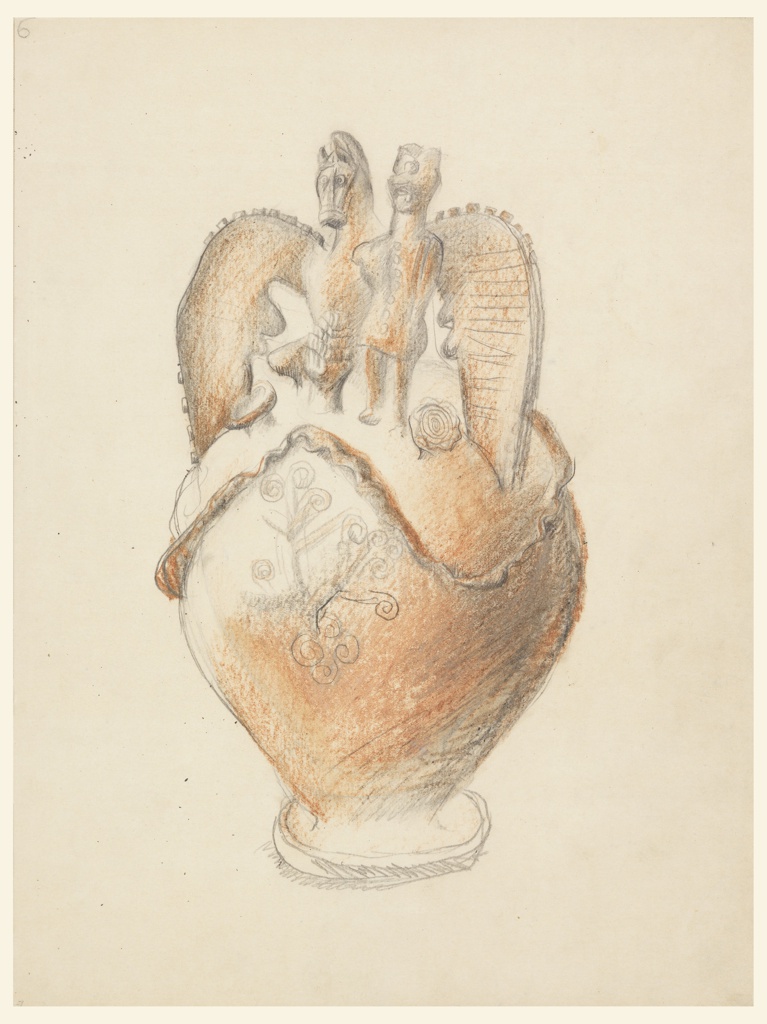
As a young architect in search of inspiration, Charles Édouard Jeanneret-Gris (Swiss, 1887 – 1965) traveled extensively throughout Europe and the Mediterranean.[i] Early in the summer of 1911, Jeanneret (today better known by his adopted name, “Le Corbusier”), then twenty-four years old, set out on a five-month journey that would take him through the Balkans,...
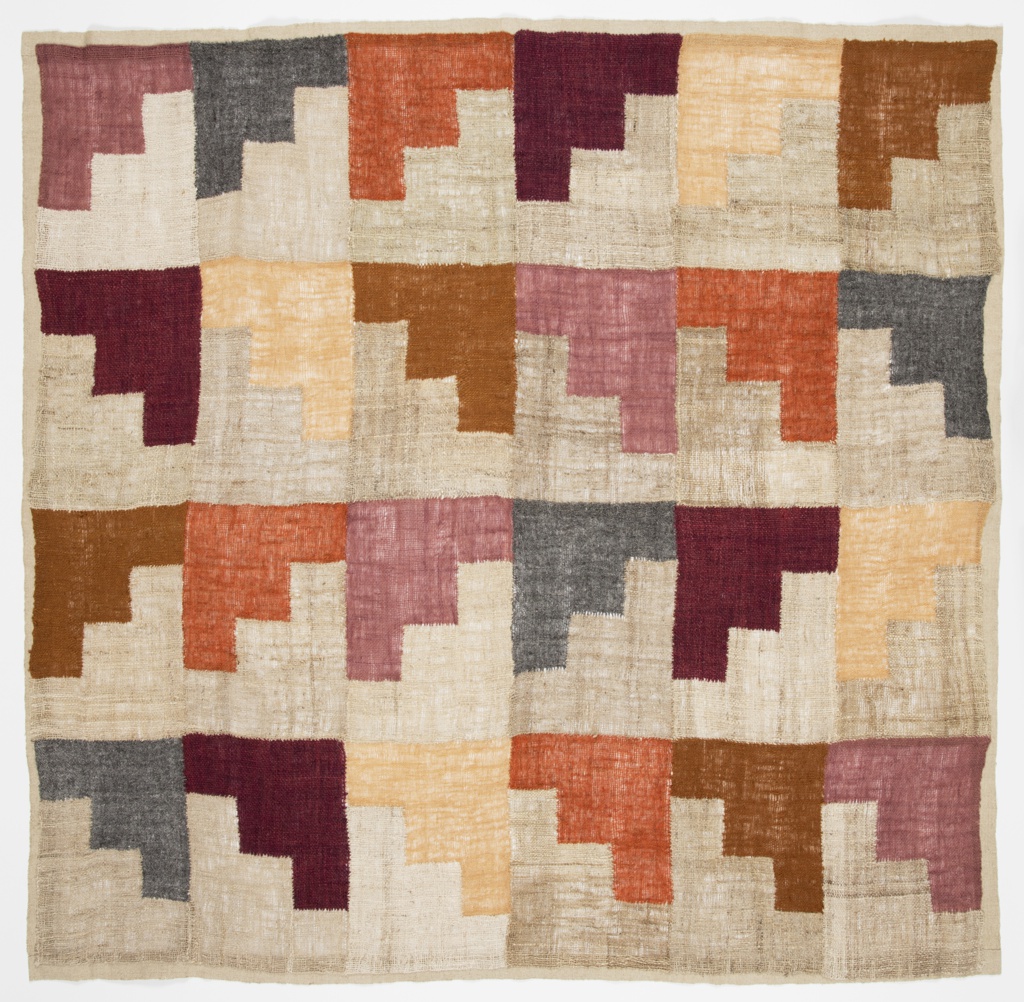
Paired sets of stepped blocks in harmony and balance echo an ancient process. James Bassler (American, b. 1933), in his work Six by Four II, incorporates an aesthetic of pure color through the interlacing of warps and wefts in a special way. By changing the colors of each block, linked one to the other, thread...
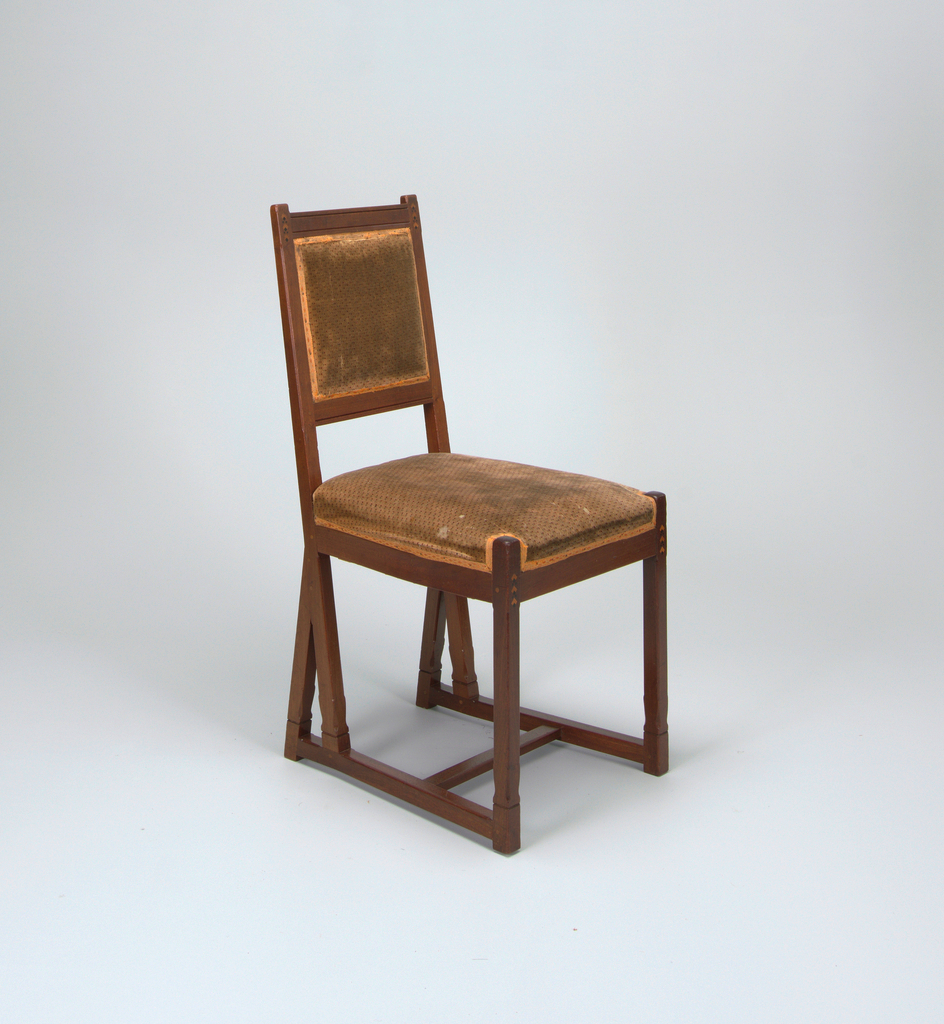
Refined, rational, and demonstrably Dutch, this was the aim when Hendrik Petrus Berlage designed this chair for the Amsterdam-based firm, ‘t Binnenhuis (The Interior). This important architect and designer opened the firm in 1900 in collaboration with the insurance company director, Carel Henny, jeweler, Willem Hoeker, and interior designer, Jacob van den Bosch.[1] Motivated by...

Ruki Neuhold-Ravikumar, Director of Education at Cooper Hewitt, Smithsonian Design Museum moderates a panel with 2019 National Design Award winners: Pinar Guvenc, Open Style Lab (Emerging Designer Award) Derek Lam (Fashion Design Award) Patricia Moore (Design Mind Award) This panel was held as part of Include, a biennial international conference that focuses on issues central...
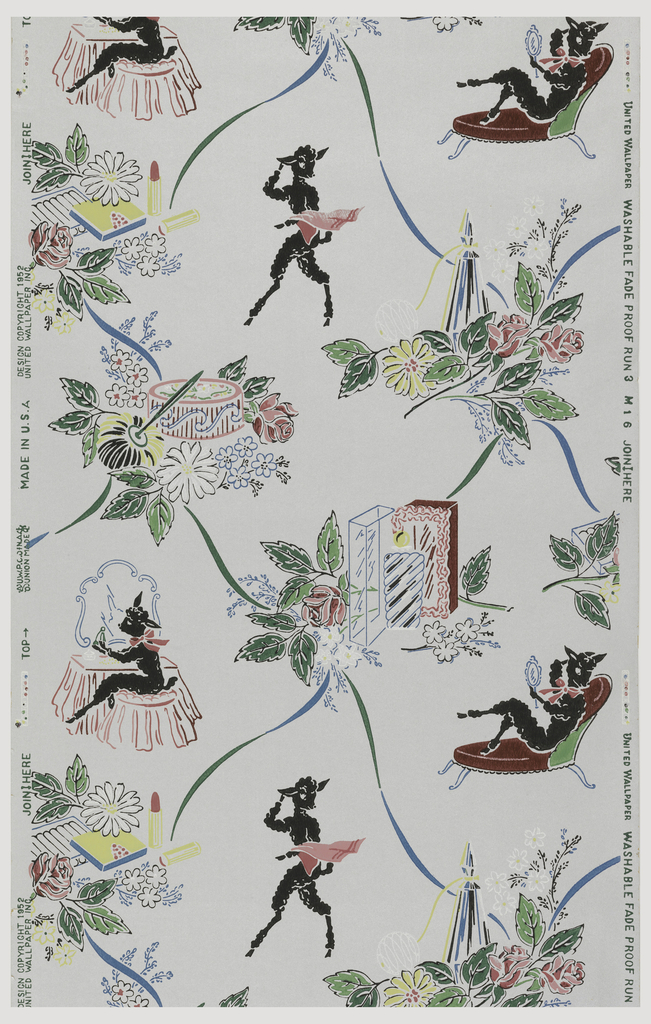
I always get good feedback when I blog about poodle wallpapers from the post-war period. They seem to trigger an emotional response, and people either love them or hate them. I’ve pretty much exploited all the poodle wallpapers in the collection, but fear not, I’ve found a substitute. This paper features a black sheep, primping...
