Cooper Hewitt’s National Design Awards program honors innovation and impact in design. Since its inception in 2000, many Asian Americans have been recognized with a National Design Award. Here are 14 to know: Derek Lam 2019 Fashion Award Derek Lam is a leading designer of relaxed yet elevated American sportswear. His work is known for...


Watercolor Maptiles—a web-based, open-source mapping tool designed by Stamen Design that displays OpenStreetMap’s data with the hand-hewn textures of watercolor paint—has been acquired by Cooper Hewitt, Smithsonian Design Museum for its digital design collection. It is the Smithsonian’s first acquisition of a live website into its collections, consisting of over 56 million map tiles (separate png...

Kimberly Jenkins is Assistant Professor of Fashion Studies at Ryerson University. Kim became best known for designing a course and exhibition called Fashion and Race and has shared her insights globally in industry forums and institutions. Her expertise in fashion history and infusing ‘race’ into fashion theory education has led to consulting work for Gucci,...

In the video, two of Suzie dePoo Zuzek’s daughters reflect on her art, passion, and legacy. This video was produced with a grant from the Smithsonian American Women’s History Initiative.
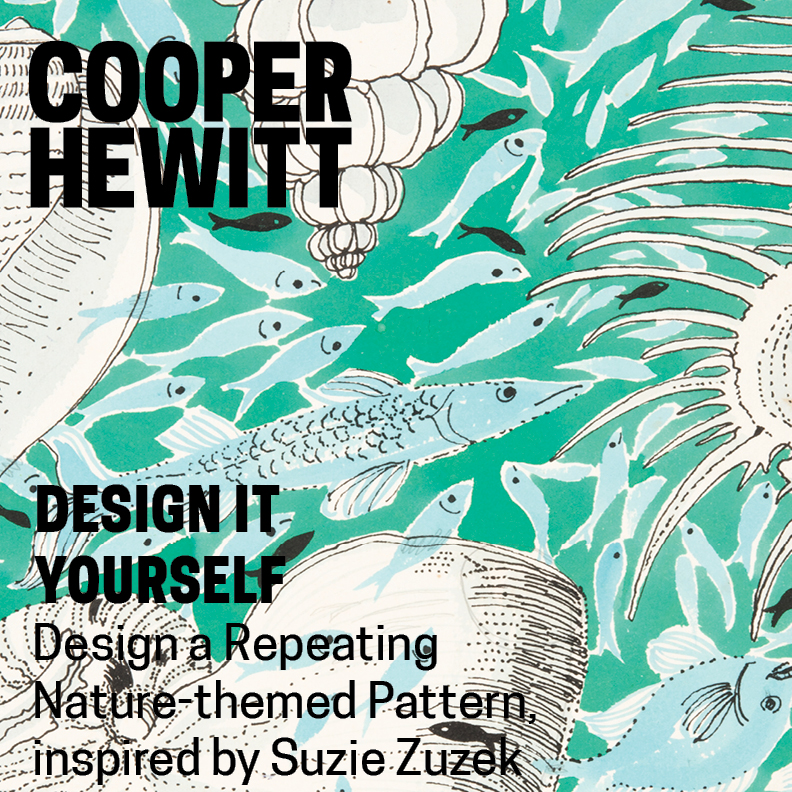
In this collection, explore the colorful, nature-inspired pattern designs of Suzie Zuzek, whose vibrant prints appeared on Lilly Pulitzer fashions in the 1960s, ’70s, and early ’80s. Follow along to design your own repeating pattern. Access on Smithsonian Learning Lab.
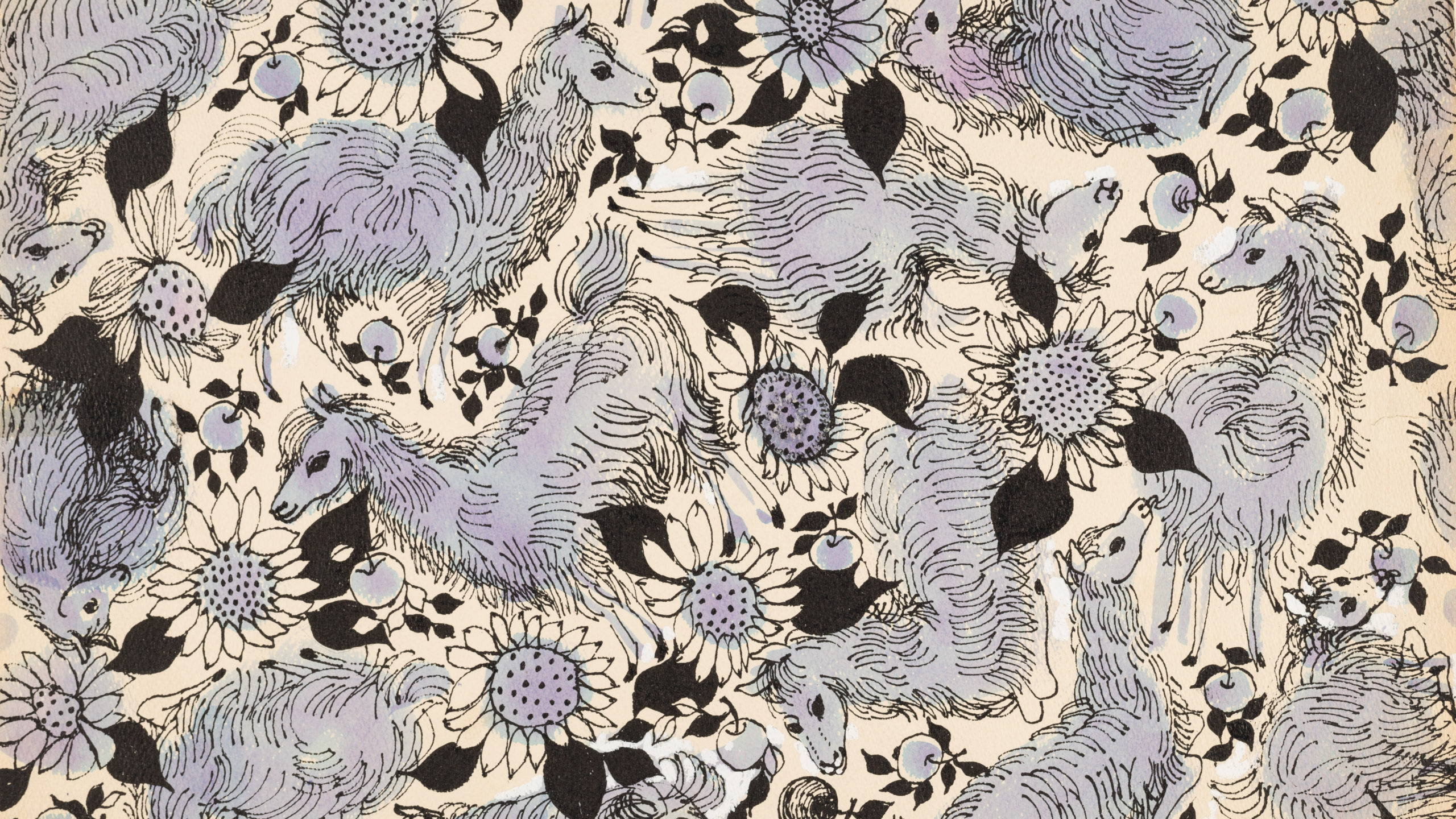
In this video, get inspired by the colorful, nature-inspired textile designs of textile designer Suzie Zuzek, then learn how to make your own repeating pattern. To learn more about Cooper Hewitt’s collection and lessons you can learn from it, head over to https://learninglab.si.edu/org/cooperhewitt
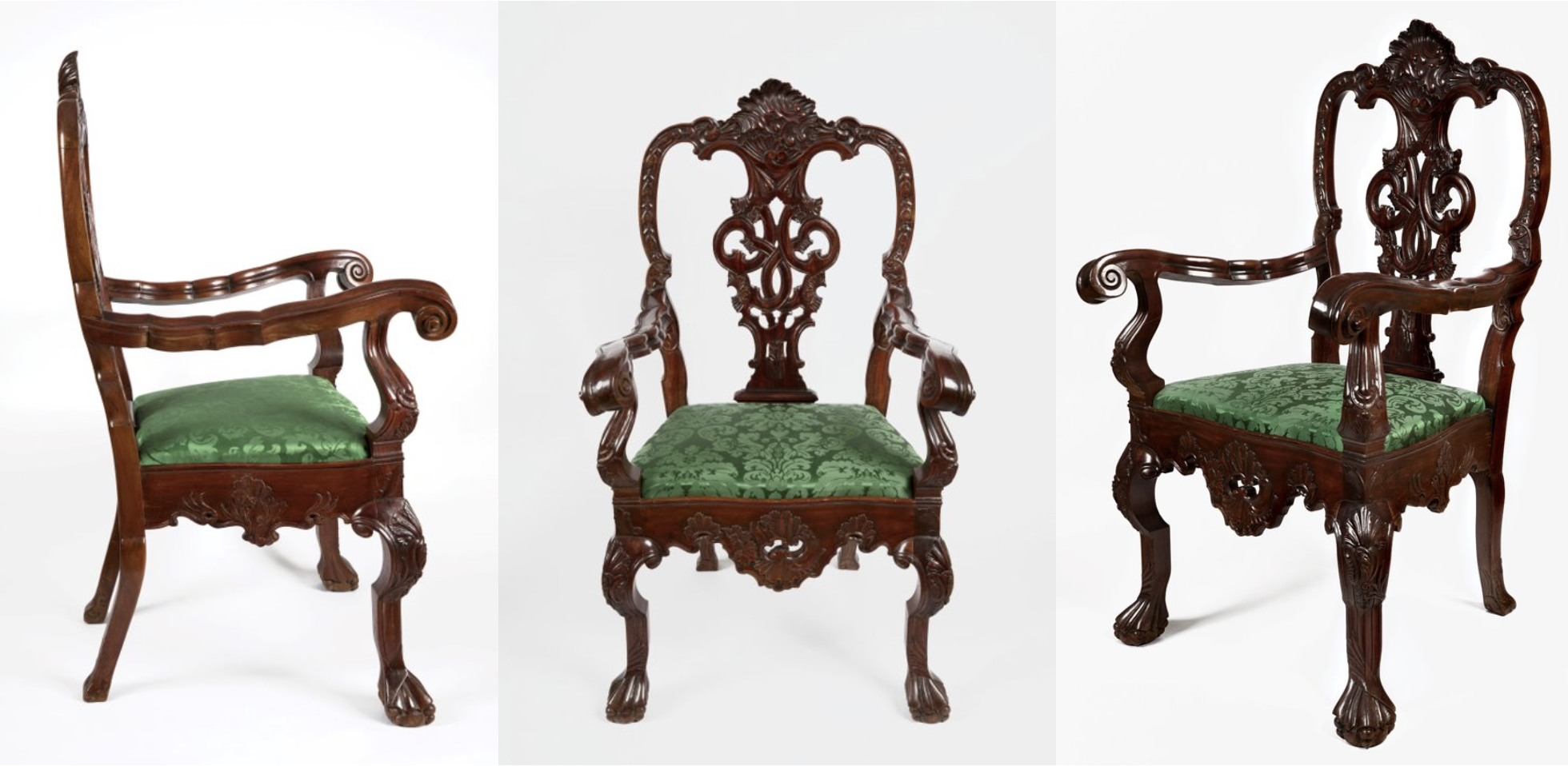
How did road trips and X-rays lead to acquiring an exceptional eighteenth-century armchair originally made in Mexico? Journey with us to discover the design history of this fascinating object that responds to Englishman Thomas Chippendale’s influential pattern book Gentleman and Cabinet-Maker’s Director, published in 1750. While artisans from across the Atlantic adapted Chippendale’s patterns to...
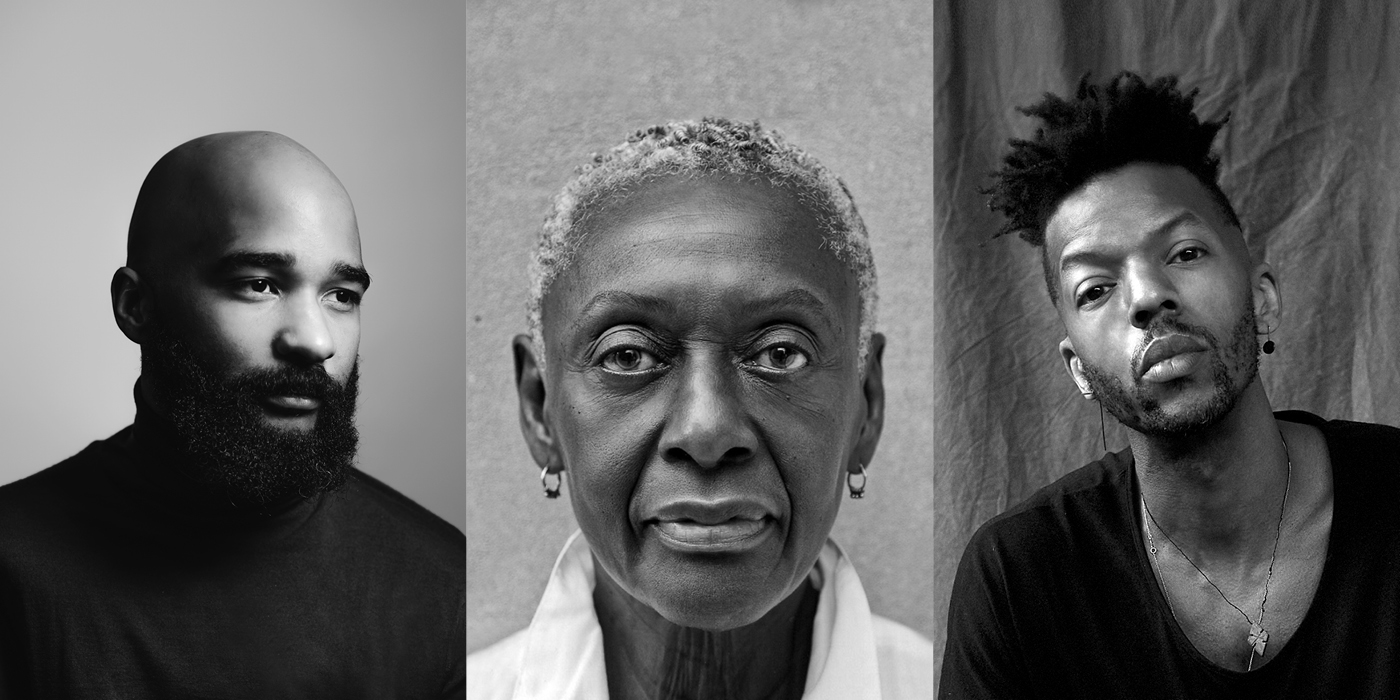
As the collaborative relationship between art and fashion has evolved into near ubiquity over the past 30 years, so have questions around the cultural and commercial impacts of their entwinement. Not only did Willi Smith understand this, he was a pioneering force in this new relationship. Smith’s brand WilliWear aimed to democratize fashion by combining...
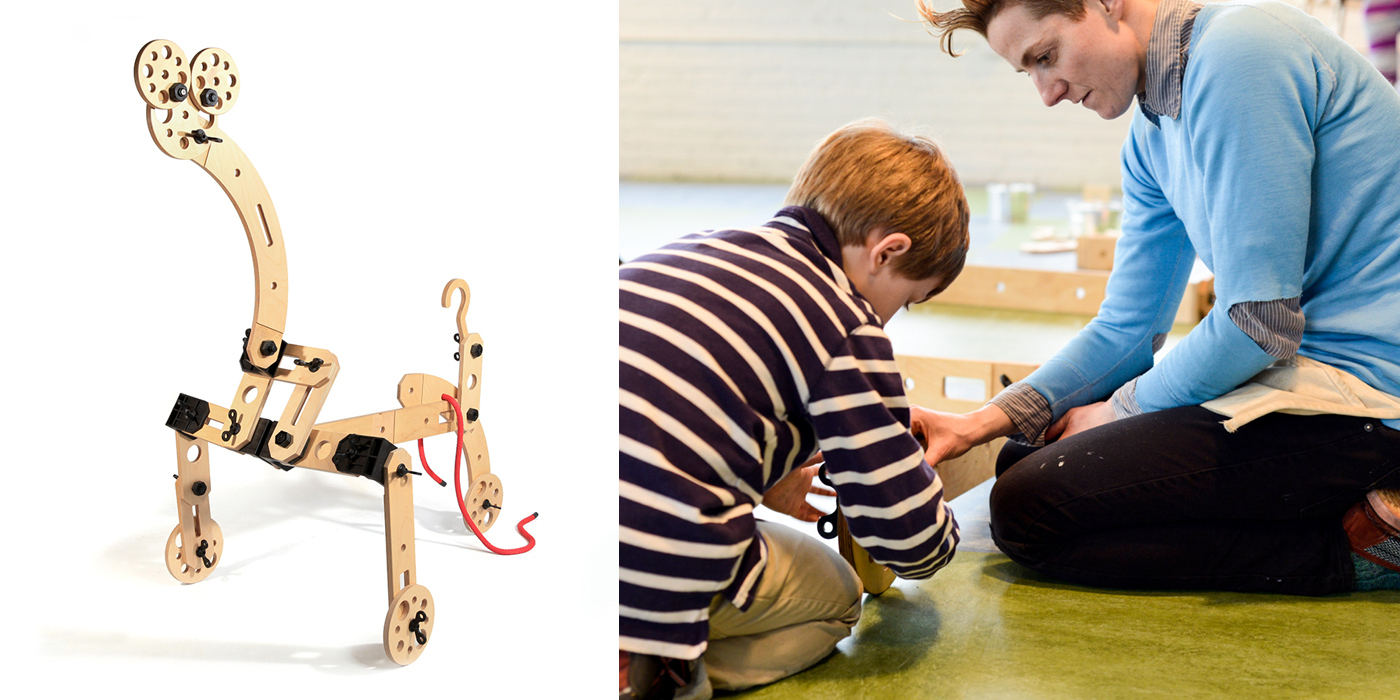
Cas Holman, designer and founder of Heroes Will Rise, and Cynthia Trope, Associate Curator of Product Design and Decorative Arts, discuss Holman’s work, education, creativity, and childhood. ABOUT CAS HOLMAN Cas Holman has spent the last fifteen years immersed in play, education, and imagination. Through her company Heroes Will Rise, she designs and manufactures tools...

Written by Wahleah Johns Access to electricity is a human right, essential to people’s health, security, and livelihoods. Of the 20,000 families in the United States without access to electricity, three-quarters live on the Navajo Nation. Despite their lands providing fossil fuels that have powered the West for 50 years, these families have been left...

Written by Tatiana Schlossberg To those of us who don’t design anything, it’s easy never to think about design at all. If the design is good, then we probably don’t even see it because it’s too intuitive or easy to use or we are too distracted by the elegance or beauty to imagine that a...

Cooper Hewitt, Smithsonian Design Museum today announces four new appointments to its board of trustees: Irene Au, Victor Calise, Kimberly Schuessler and Keith Yamashita. “It’s my great pleasure to welcome Irene, Victor, Kim and Keith to Cooper Hewitt’s board of trustees,” said John Davis, interim director of Cooper Hewitt. “As leaders in their respective fields...
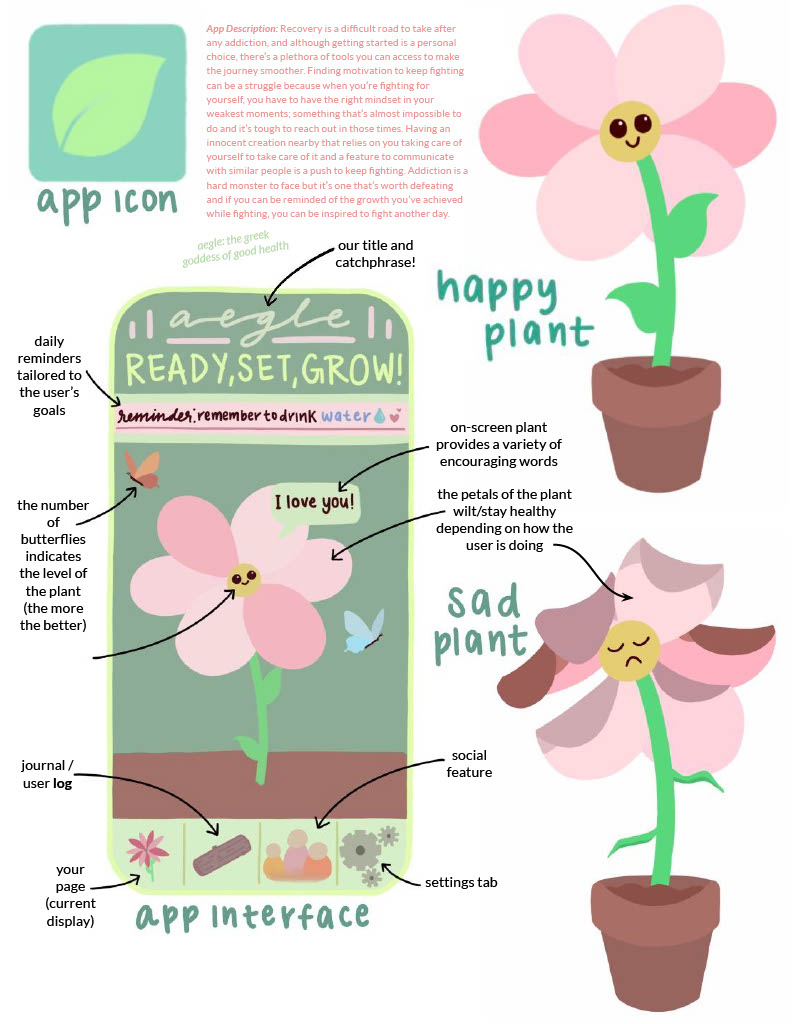
Aditi Jha, age 16, Nidhi Malpani, age 16, and Yasmina Muradova, age 16 duPont Manual High School, Louisville, KY; Westwood High School, Austin, TX; and The Gatton Academy, Bowling Green, KY Many people experience addiction in their lives—drugs, alcohol, self-harm, the Internet, etc. As a common experience among all walks of life, it has touched...

Paulina Caceres, age 17, and Alexis Nicoleau, age 17 Design and Architecture Senior High, Miami, FL Teacher: Eric Hankin Covid-19 has affected the way people move from one place to another. The Pod is made for those who have trouble accessing medical assistance. It provides medical services without the need to travel to a hospital...

Allison Casey, age 14 La Jolla Country Day School, La Jolla, CA People at highest risk for Covid-19 infection, aside from seniors, tend to live in low-income communities and have less access to Covid-19 resources than those in wealthier communities due to barriers such as language, technology, information, and transportation. This makes it difficult for...
