A collecting initiative, launched in 2020, aims to help Cooper Hewitt to acquire objects that shape and define our time.
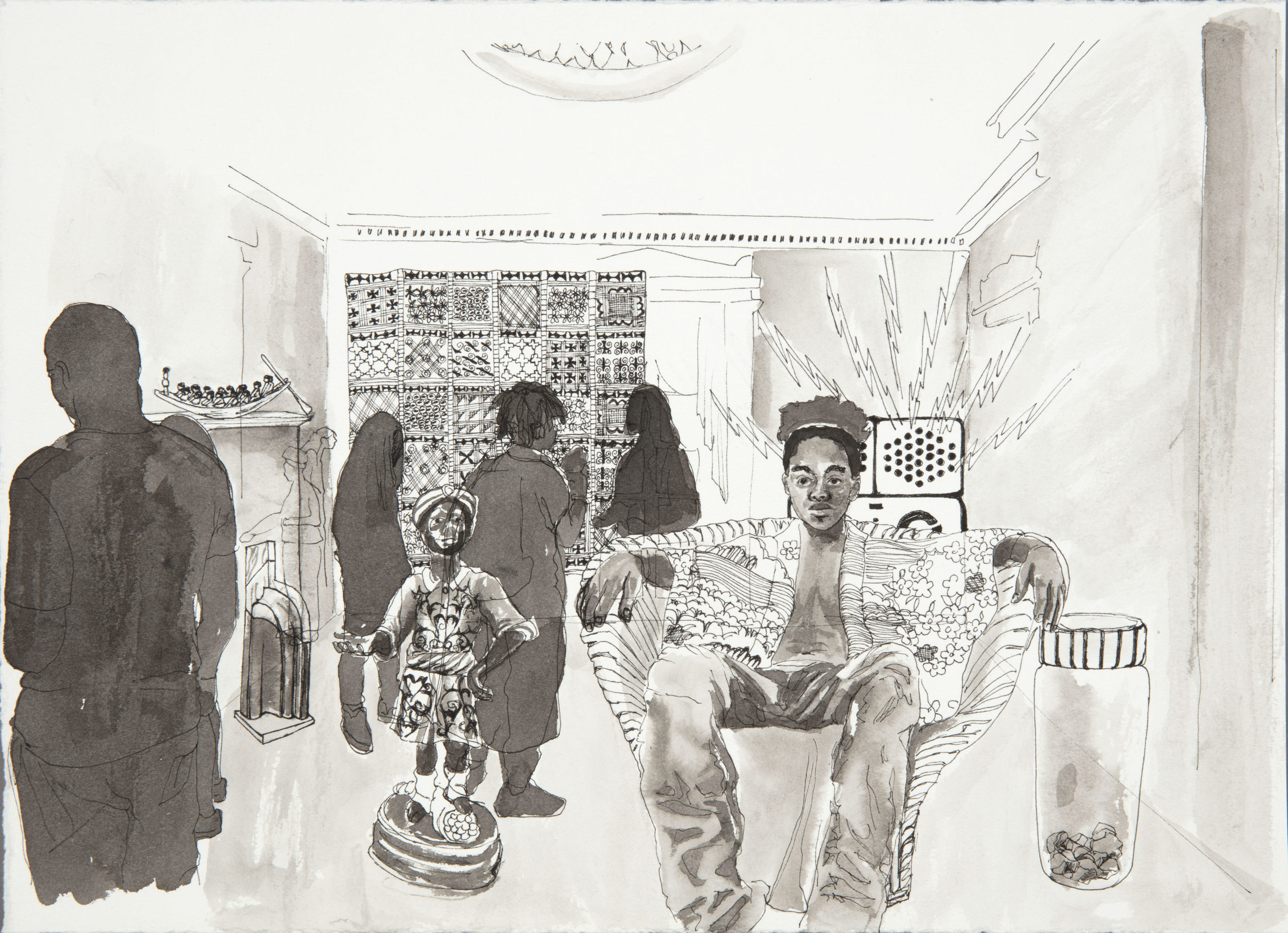
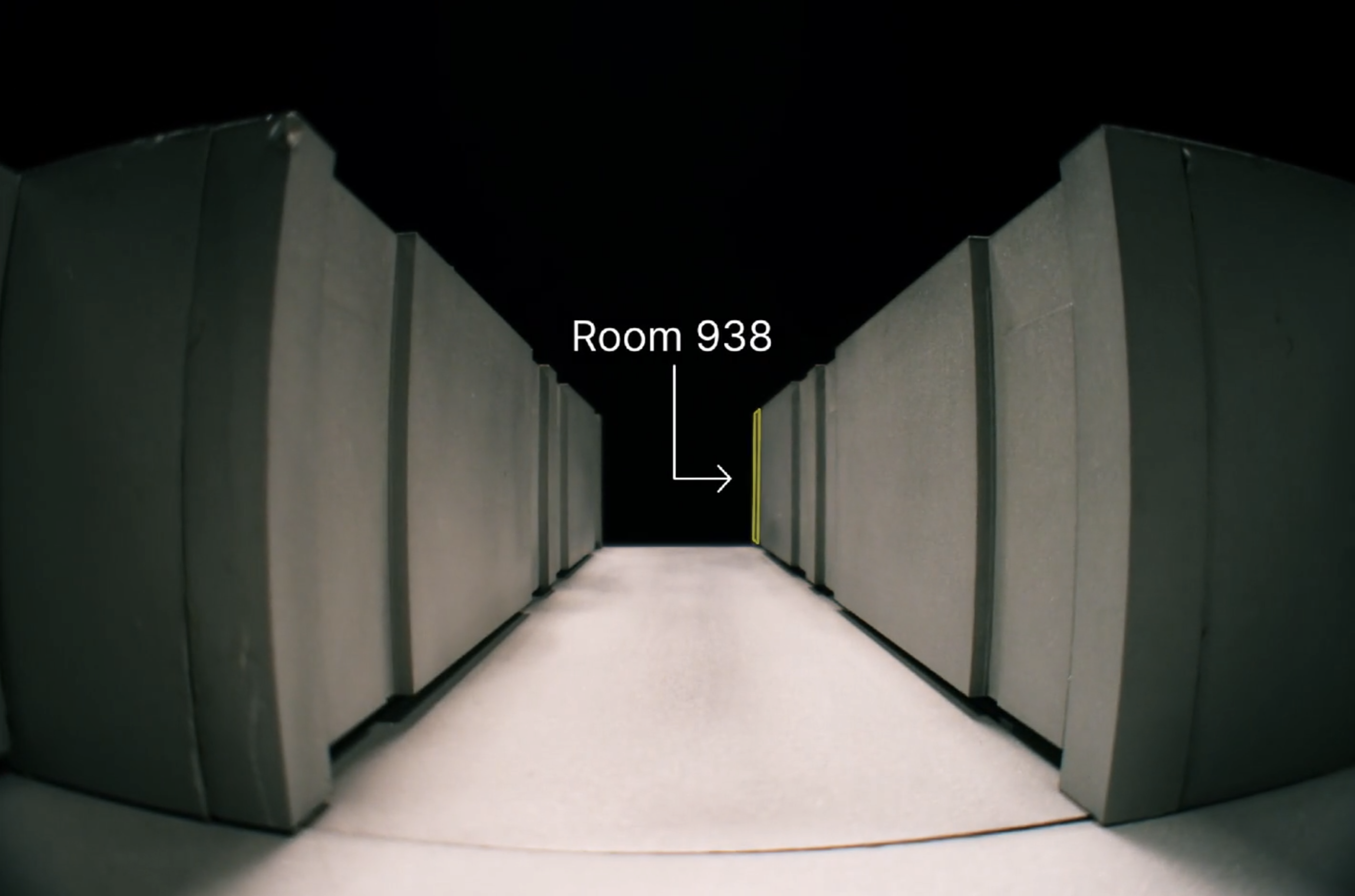
This interactive experience explores how 17 guests of Hong Kong’s Metropole hotel contracted the SARS virus on February 21, 2003. Matt Adams, Ju Row Farr, and Nick Tandavanitj are founders of the digital art collective Blast Theory. They conceived this piece in 2018 when they were artists-in-residence at the World Health Organization in Geneva. Their...
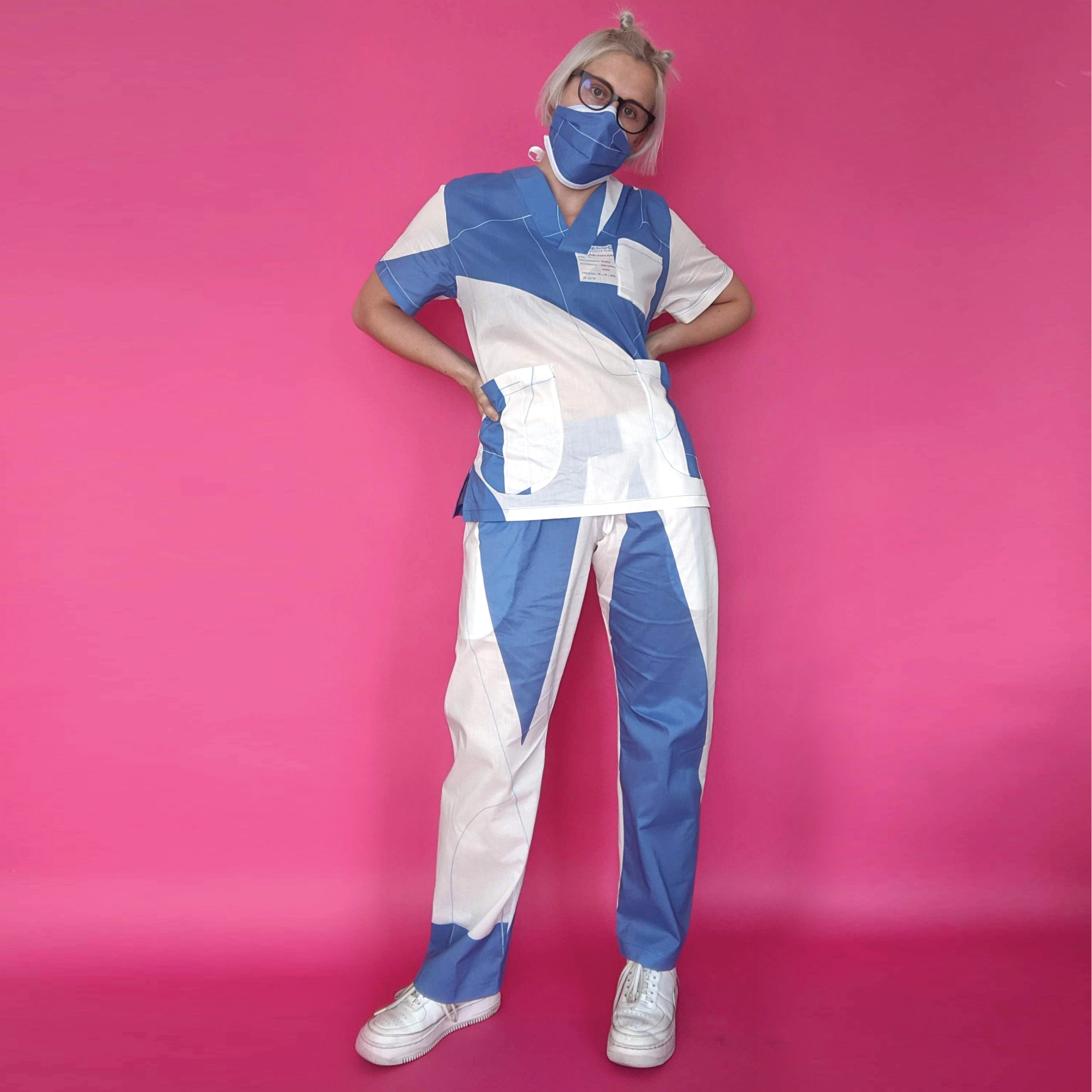
Fighting disease with masks and protective clothing is an ancient practice. The COVID-19 pandemic triggered shortages in personal protective equipment (PPE) around the world. In spring 2020, PPE was especially scarce throughout the United States in nursing homes, prisons, and care facilities for people with disabilities. Individuals came together to create face coverings for neighbors...
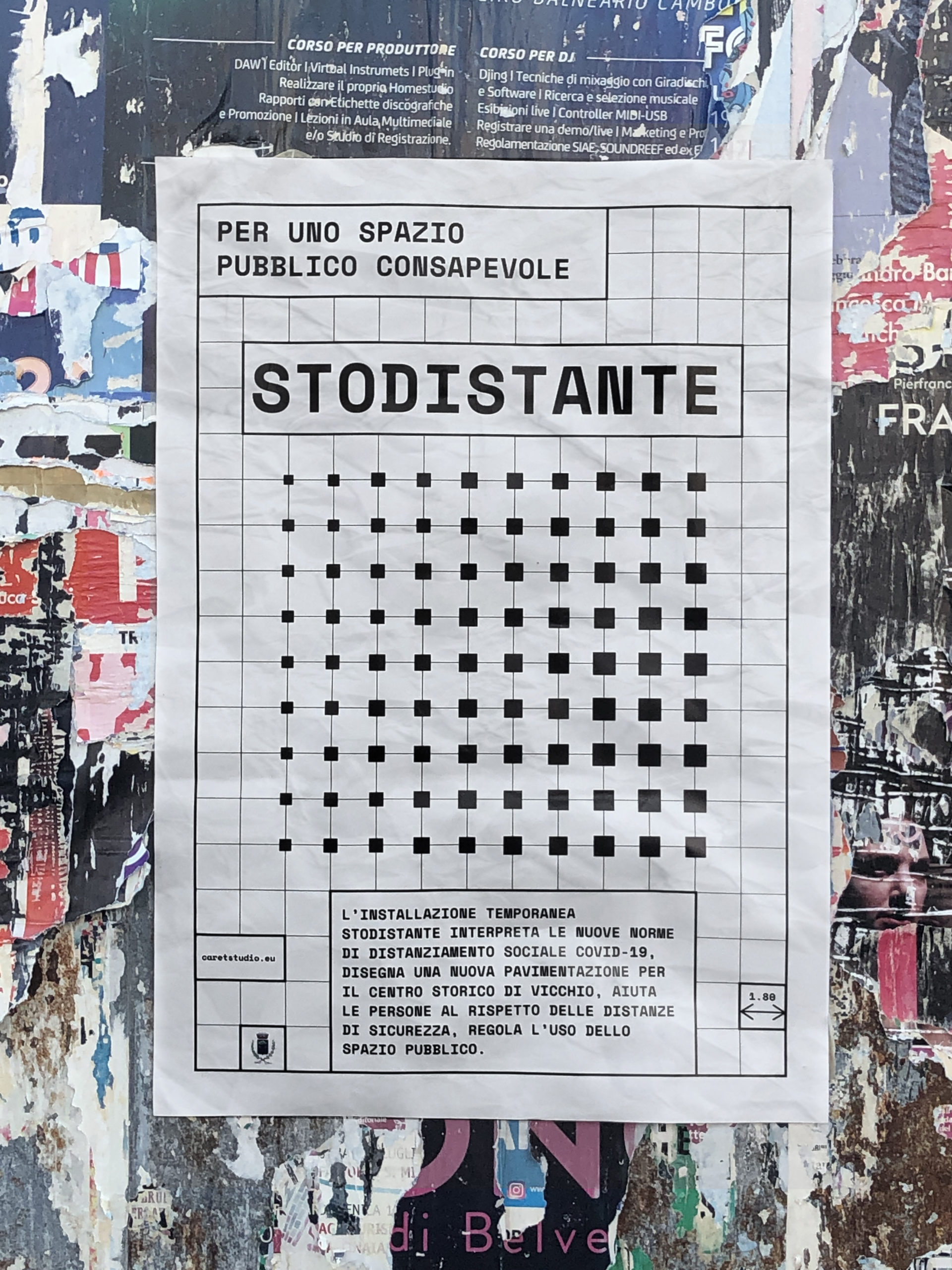
The phrase “social distance” became common lingo early in the COVID-19 pandemic. To safely shop, work, or wait in line, people were advised to stay six feet (or two meters) apart. Graphic markers guided this new behavior. Solutions ranged from elaborate installations to hand-made solutions. Content from the exhibition Design and Healing: Creative Responses to...
![A vertical eye-catching poster with a cartoon-like depiction of a worker with medium-toned skin and short dark hair who faces us in the center right. The worker wears a mustard yellow jacket, a tan brimmed hat over an orange headband and an orange-red bandana covering his nose and mouth. He stands with his left arm bent and upraised holding a large grey-black bin filled with bright red tomatoes on his right shoulder, his head is tilted to the opposite side, and he has a slightly strained expression with knitted dark eyebrows and lines under his eyes. A small rectangular yellow sticker is placed on the brim of the bin with the words [CAUTION / FRAGILE ECONOMY] printed on it in grey capital letters. The words [WORKERS FIRST] in bubble psychedelic font formed from fat red-outlined letters, repeating vertically in wavy lines, fill the light bubblegum pink background. In the bottom left corner the artist's name [BRIAN HERRERA] is printed in red psychedelic font. There is a faint light pink floral pattern in background.](https://www.cooperhewitt.org/wp-content/uploads/2021/11/s-e-3515-Workers-First_Brian-Herrera-1.jpg)
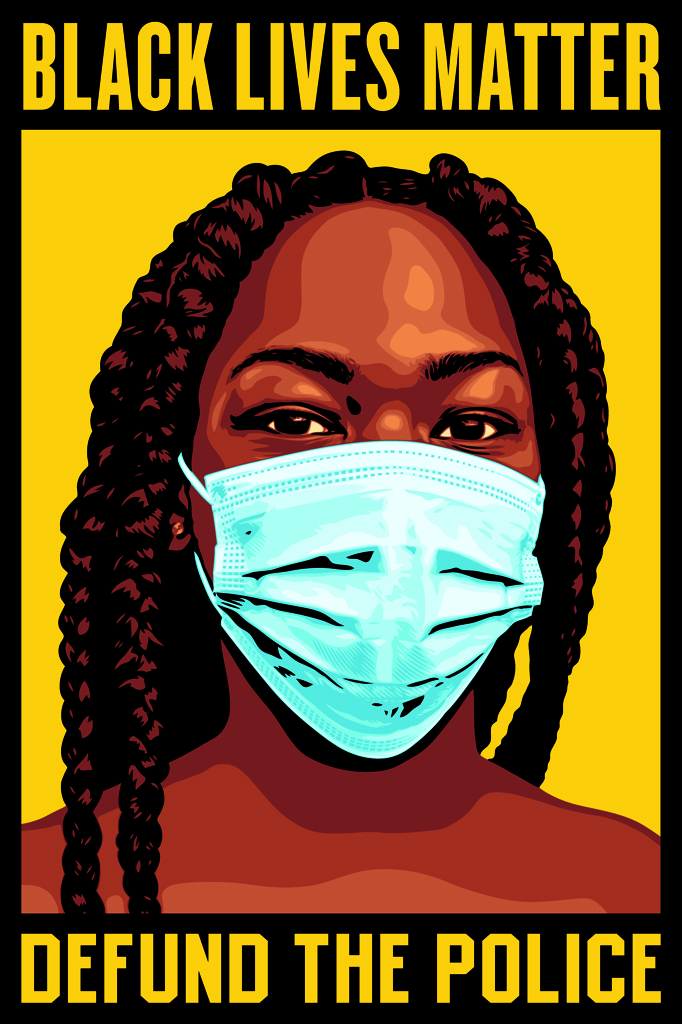
Structural racism is a silent killer. Many conditions of daily life affect people’s health, including access to transportation, education, safe housing, nutritious food, clean air and water, and green space. Economic policies in the United States have routinely confined people of color in neighborhoods lacking these essential resources. Pandemics, from cholera in the early 1900s...
![Light blue poster describing mutual aid in purple and dark teal handwritten-like text. The top left corner has text which reads: [Mutual Aid with AOC & Mariame Kaba]. The top right corner has white text imposed on a purple rectangle which reads: [#we got our block]. The poster is divided into three sections with the following headings in white text imposed on purple rectangles: [What Mutual Aid Is], [How to Build a Mutual Aid Network] and [Stay Cautious!]. Each section has several examples on how to put the section into action. Under the [What Mutual Aid Is] section is the following text: ["We must cooperate to survive!" - P. Kropotkin], [Solidarity! Not Charity.], with an image of a smiling heart waving at us, and [Aid & Activism & Education]. Under the [How to Build a Mutual Aid Network] section are the following: [1) Build a pod map, 2) Connect with those folks, 3) Find a buddy to work with, 4) Identify your support zone, 5) Start small (15-20 people), 6) Establish comms channels (multiple!), 7) Get the convo started!, 8) Help!] Under each section there are simply-illustrated examples of how to put these steps into action. Under the [Stay Cautious!] section, it reads: [1. Grocery shop at non-peak hours, 2. Practice social distancing, 3. Avoid public transit, 4. Clean surfaces often]. All the text in the examples are dark teal.](https://www.cooperhewitt.org/wp-content/uploads/2021/11/s-e-3504-5-mutualaid_Barad.jpg)
During the COVID-19 pandemic, mutual aid organizations around the world delivered food to neighbors in need, ran errands for housebound people, and created masks and other protective equipment. Many of these loosely organized groups relied on social media and tools like Google Docs to organize volunteers. Content from the exhibition Design and Healing: Creative Responses...
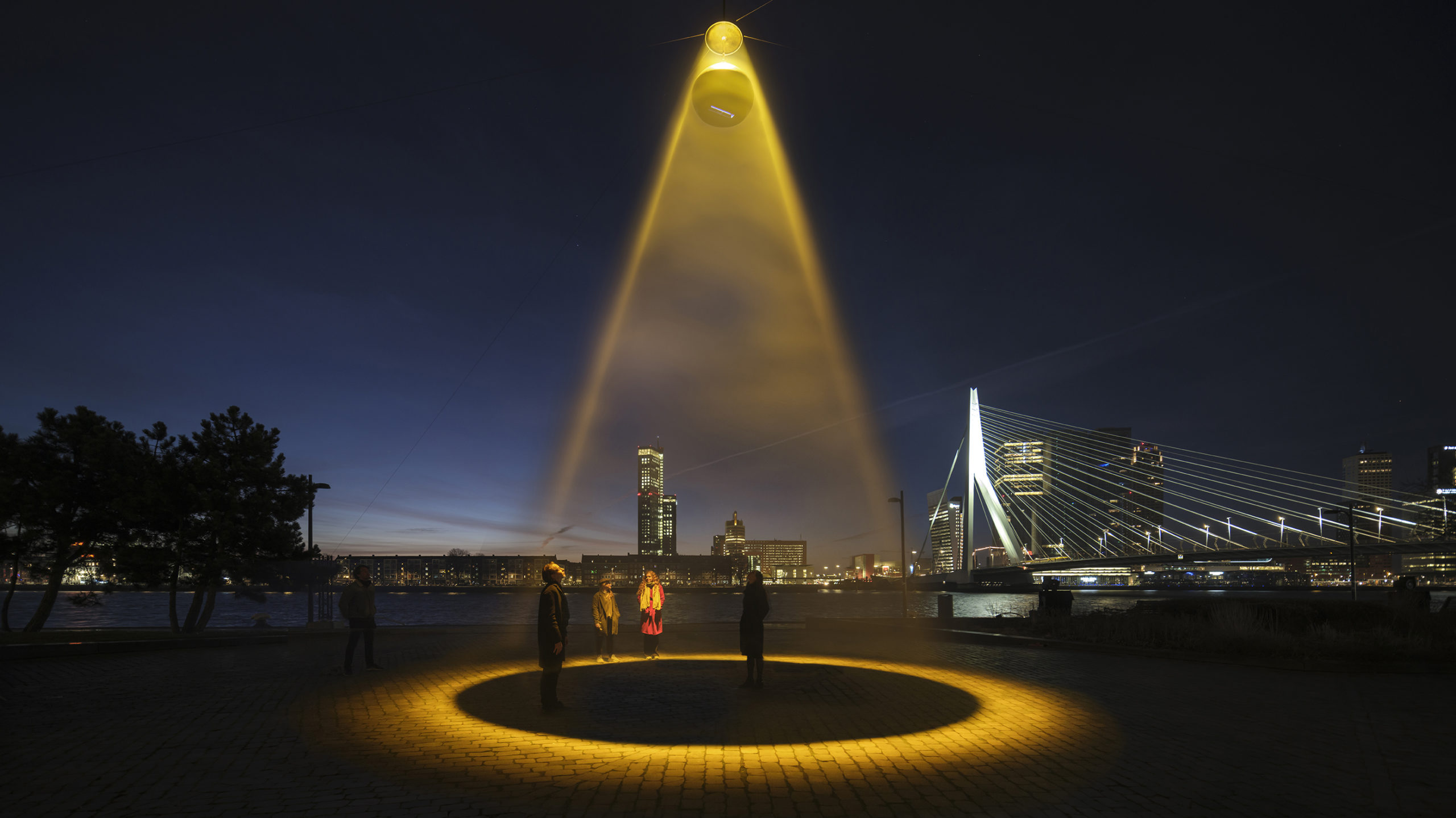
In 1882, Robert Koch (German, 1843–1910) discovered the bacteria that causes tuberculosis. At the time, one in seven people in Europe and the United States died of tuberculosis. People living in poverty were especially vulnerable. Sunlight and fresh air were common treatments for tuberculosis until 1943, when antibiotics were proven to cure the disease. Sanatoriums,...
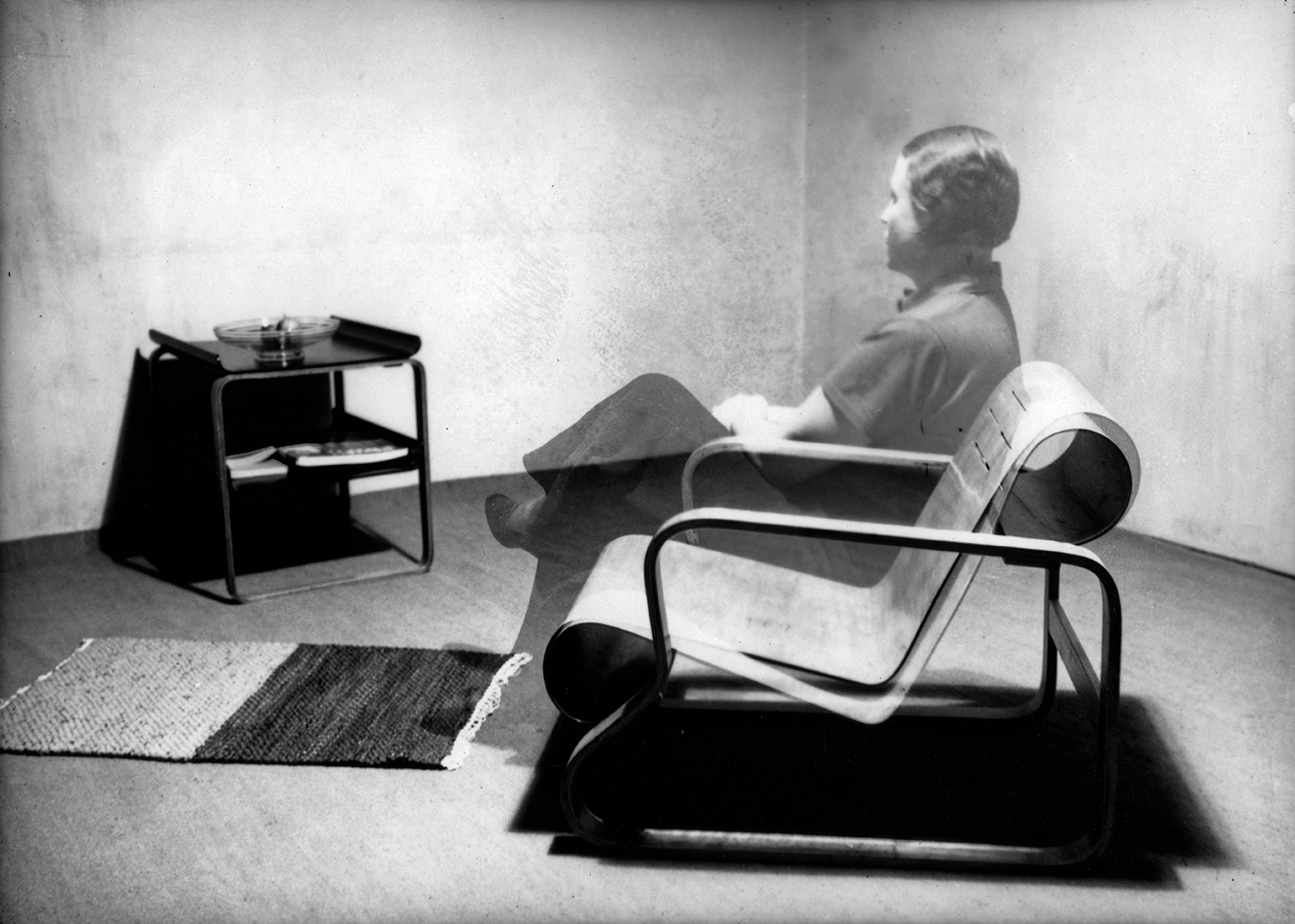
To design the Paimio Sanatorium, Alvar and Aino Aalto leveraged the best science available at the time, which called for cross-ventilation and heliotherapy (exposure to sunshine) to treat and prevent tuberculosis. They considered everything from chairs and sinks to closets and beds. Sinks with angled basins were designed to minimize the sound of splashing water....
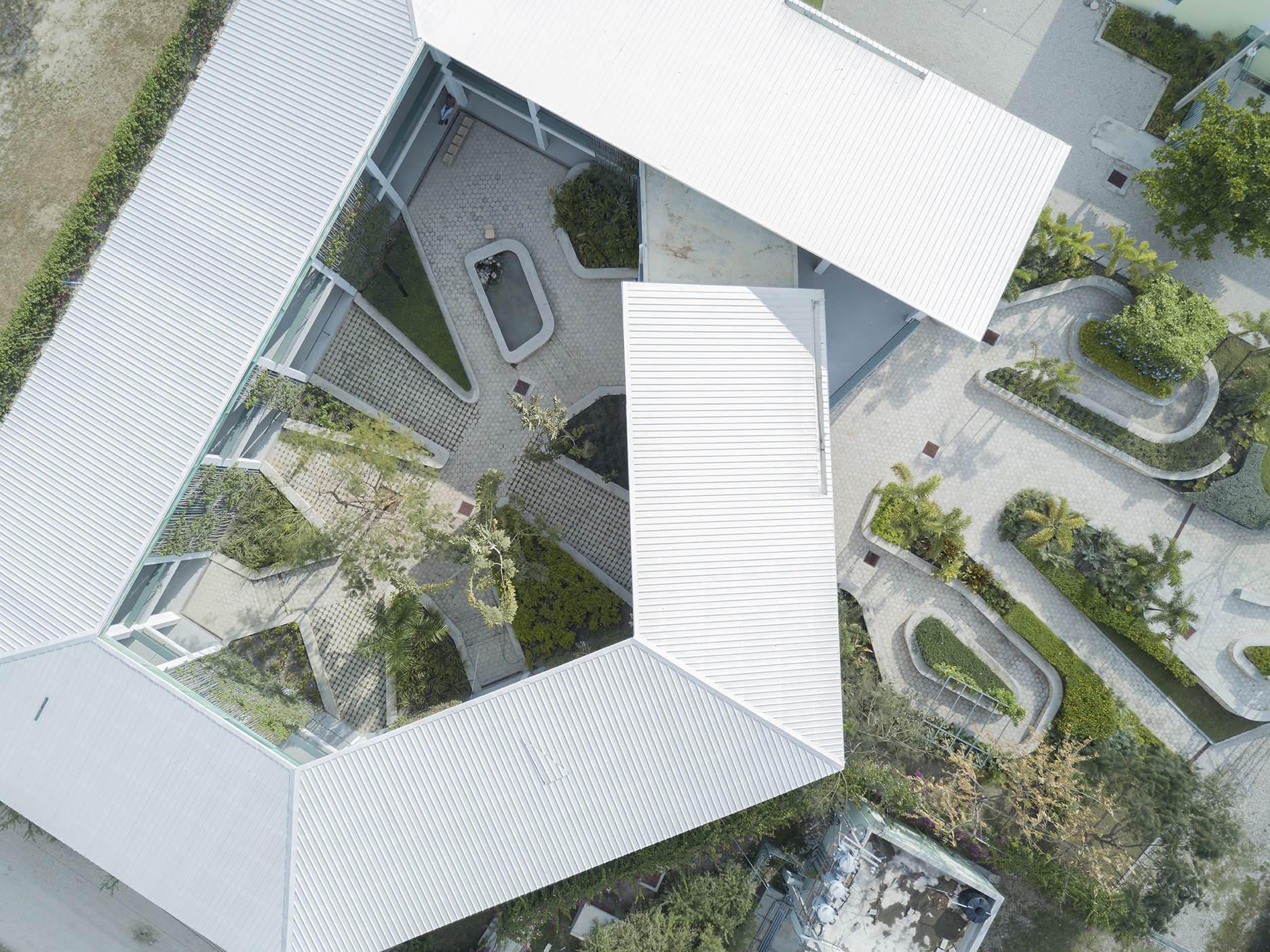
Tuberculosis remains a pandemic disease today, afflicting people in every country on Earth. An outbreak of multidrug-resistant tuberculosis hit Haiti after the 2010 earthquake. Patients require treatment for up to 24 months, and they remain infectious during the first few months of treatment. MASS Design Group designed the GHESKIO Tuberculosis Hospital in Port-au-Prince to provide...
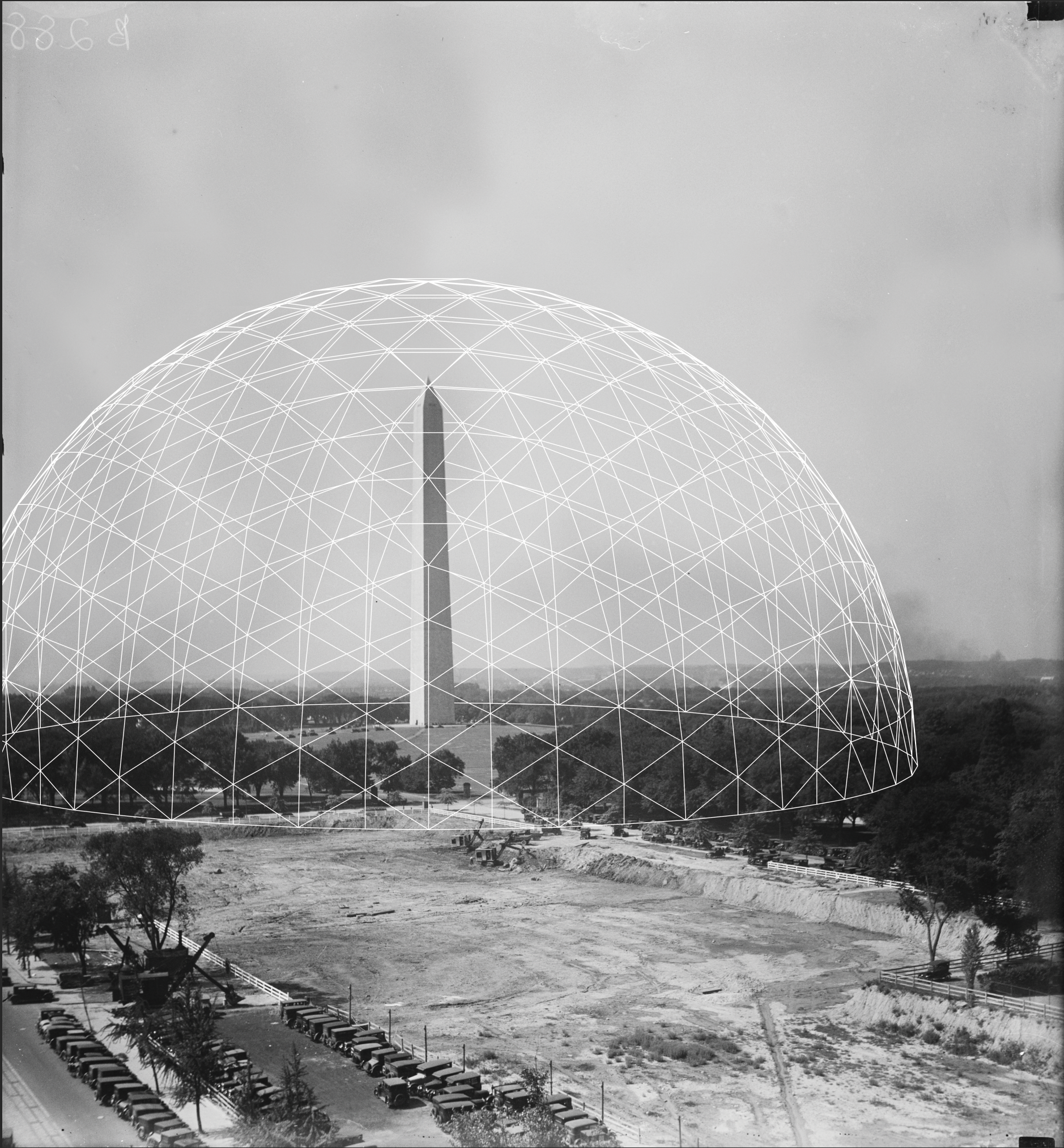
Mosquitoes have been linked with illness for thousands of years. Mosquito nets became popular around the world after 1897, when it was proven that a parasite spread by mosquitoes causes malaria. Colonial governments in West Africa were slow to adopt strategies for controlling mosquitoes, such as nets, window screens, and insecticide. Promoting the racist notion...
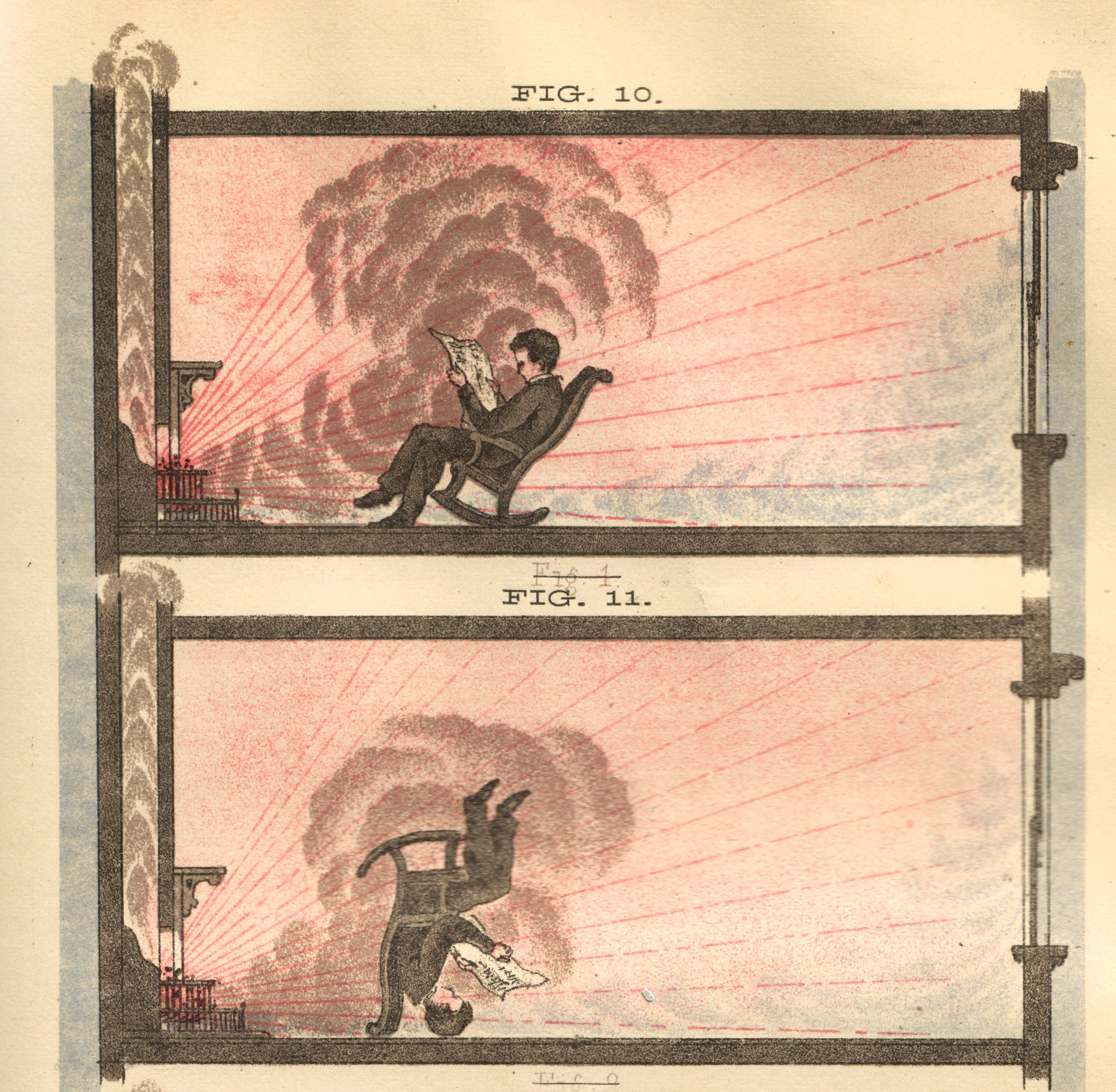
Although ventilation is known to prevent disease, many modern buildings are sealed environments with fixed windows or windows that are opened rarely. The COVID-19 pandemic revealed the dangers of this approach. If not adequately filtered, recirculated air spreads viral particles indoors. The COVID-19 pandemic prompted a public reckoning and challenged architects to rely less on...
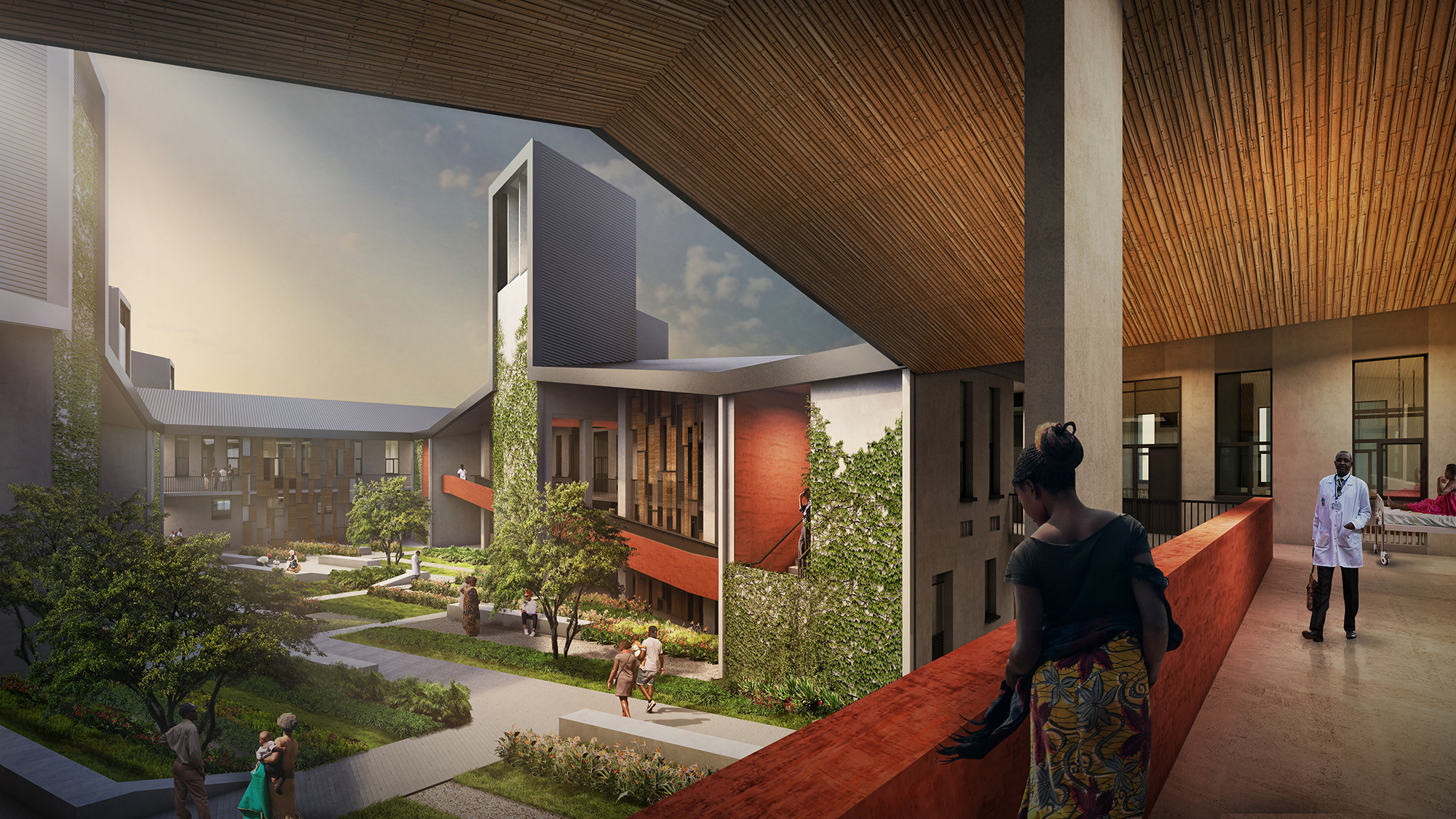
Since 2010, MASS Design Group has worked with the Liberia Ministry of Health in Africa on numerous projects. The masterplan for the New Redemption Hospital in Caldwell aims to avert future epidemics and deliver comprehensive services to a growing population. The New Redemption Hospital faces the prevailing wind to facilitate natural cross-ventilation. Solar chimneys enhance...
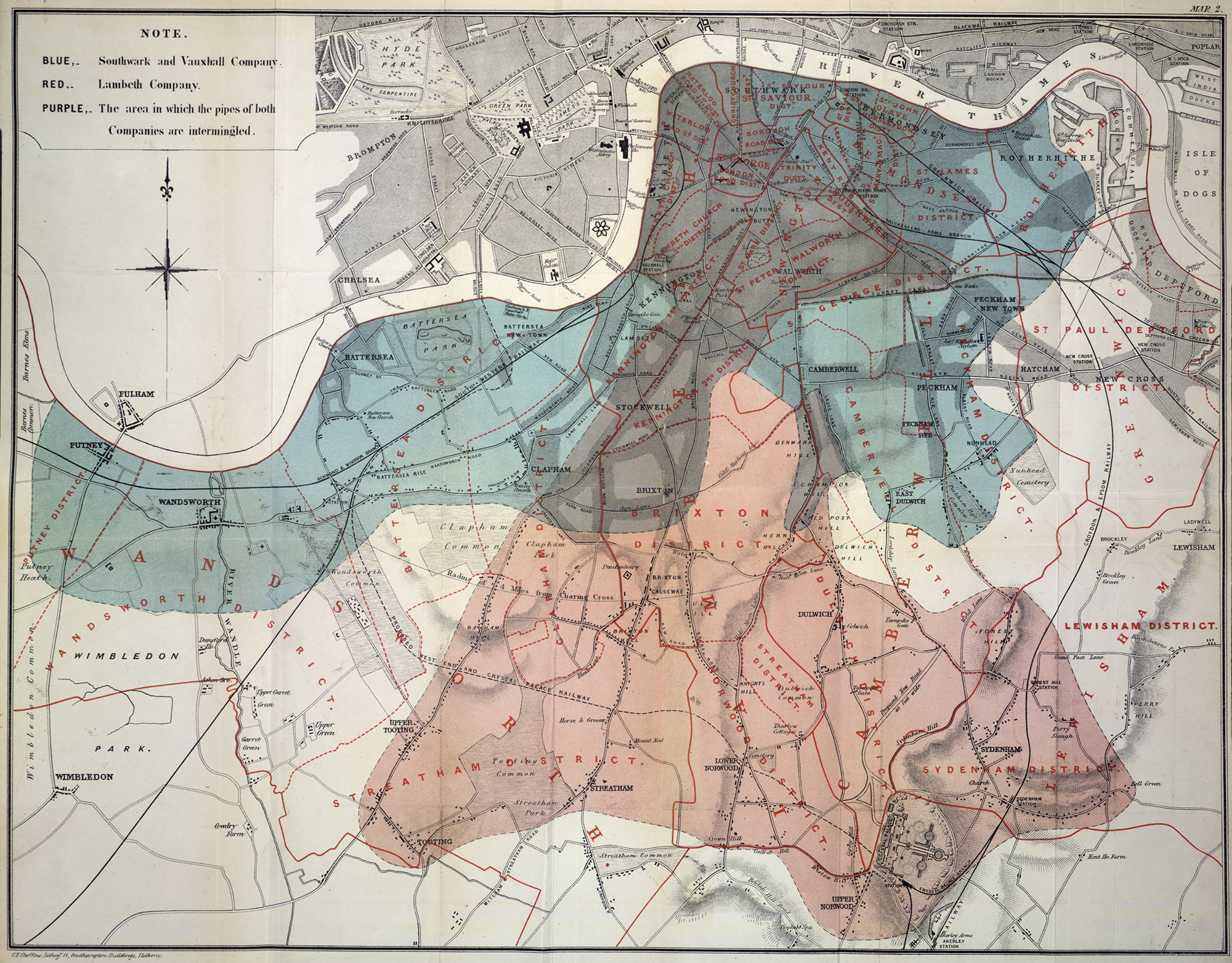
John Snow (British, 1813–1858) helped found epidemiology, the study of the distribution and causes of disease. In the 19th century, many people believed that cholera was caused by the unhealthy habits of people living in poverty. Snow’s scientific maps proved that contaminated water—not dirty air or an immoral lifestyle—caused the spread of cholera. Driven partly...
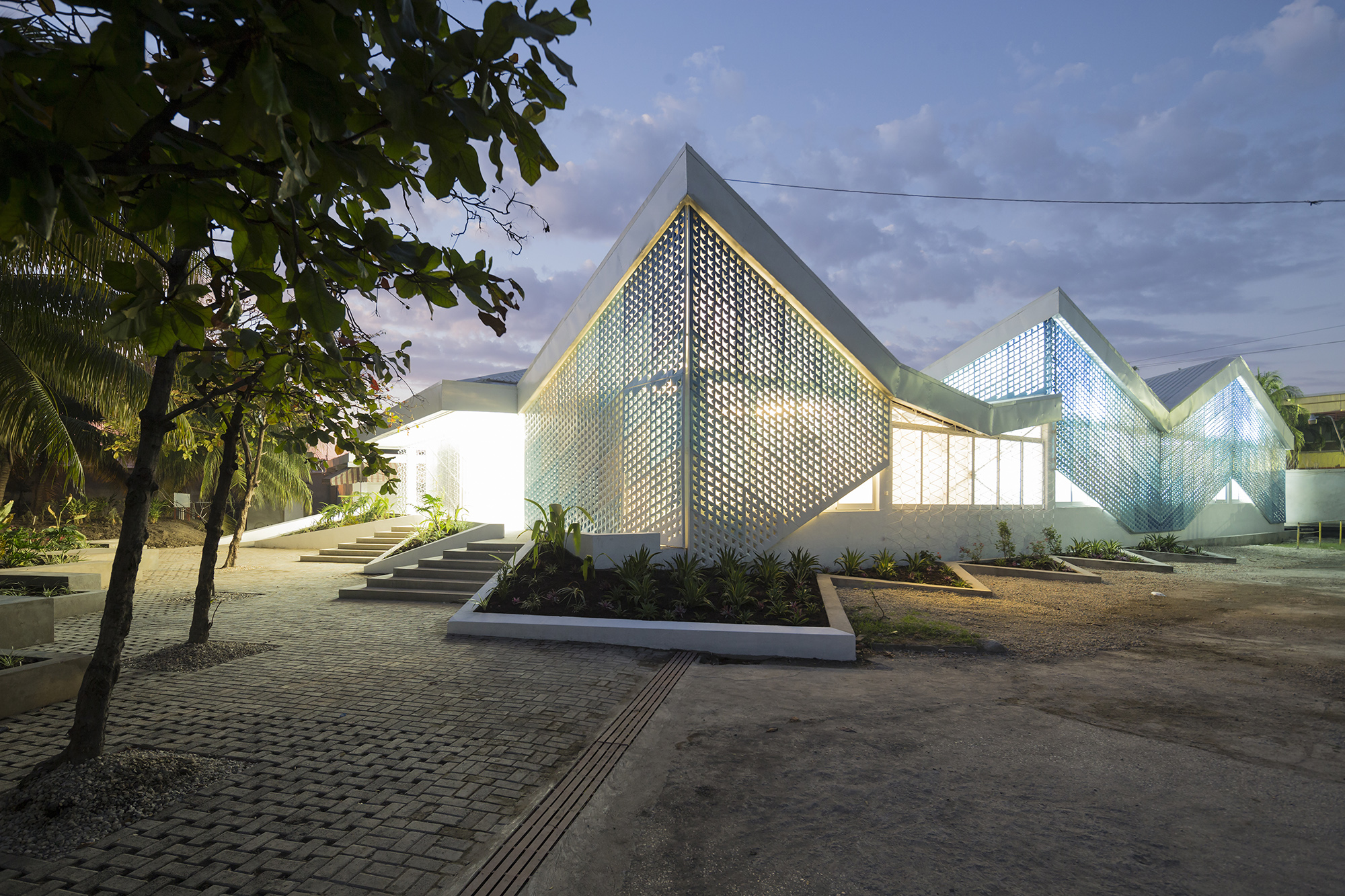
Cholera—a curable, preventable disease—did not exist in Haiti before the earthquake of 2010. The GHESKIO health center asked MASS Design Group to design a permanent facility to replace temporary cholera treatment tents. The Cholera Treatment Center creates its own water and sanitation infrastructure. A rainwater catchment system collects and filters water. The building can sanitize...
