
Today, vast health networks sprawl across cities and regions, serving as engines of employment and economic growth. Hospital design must account for complex equipment, disaster-safe infrastructure, flexible use, future growth, and the daily flow of patients, families, and workers. Content from the exhibition Design and Healing: Creative Responses to Epidemics, curated by MASS Design Group...
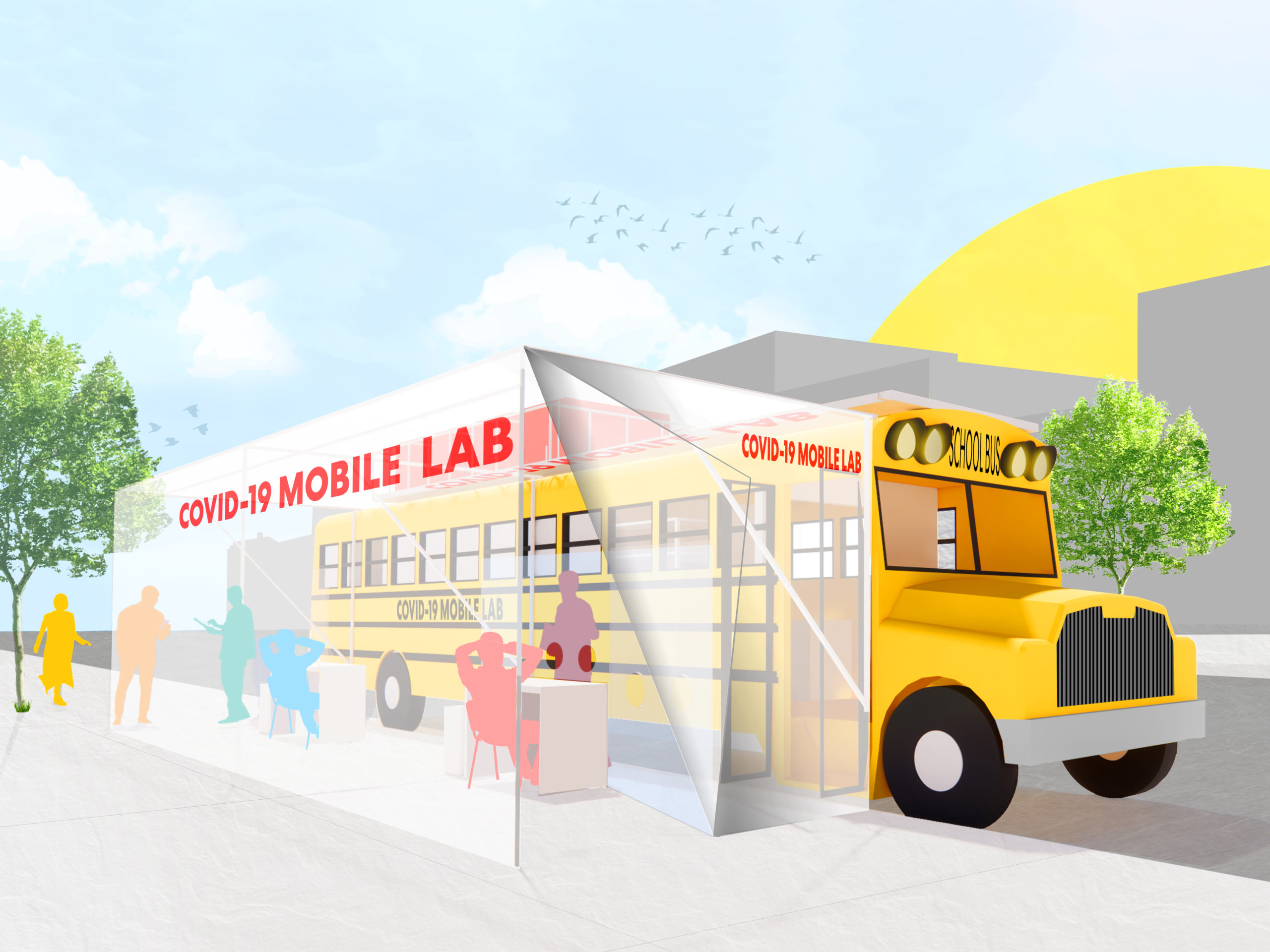
Emergency hospitals and clinics are erected during wars, disasters, and epidemics. Since the 19th century, field hospitals have been prefabricated off-site or made with cheap, readily available materials. Built for temporary use, these rough facilities often stay in use well past their intended lifespans. In spring 2020, emergency hospitals were built in New York City...

For nearly twenty years between the two world wars, E. McKnight Kauffer, an American, was the most celebrated graphic designer in England. He was best known for his eye-catching posters, but his book covers and illustrations, graphic identities, carpets, stage sets, costumes, and ephemera were also among the most arresting of his era. Kauffer believed fervently that modern art should move beyond the walls of museums and galleries to infiltrate all elements of daily life.
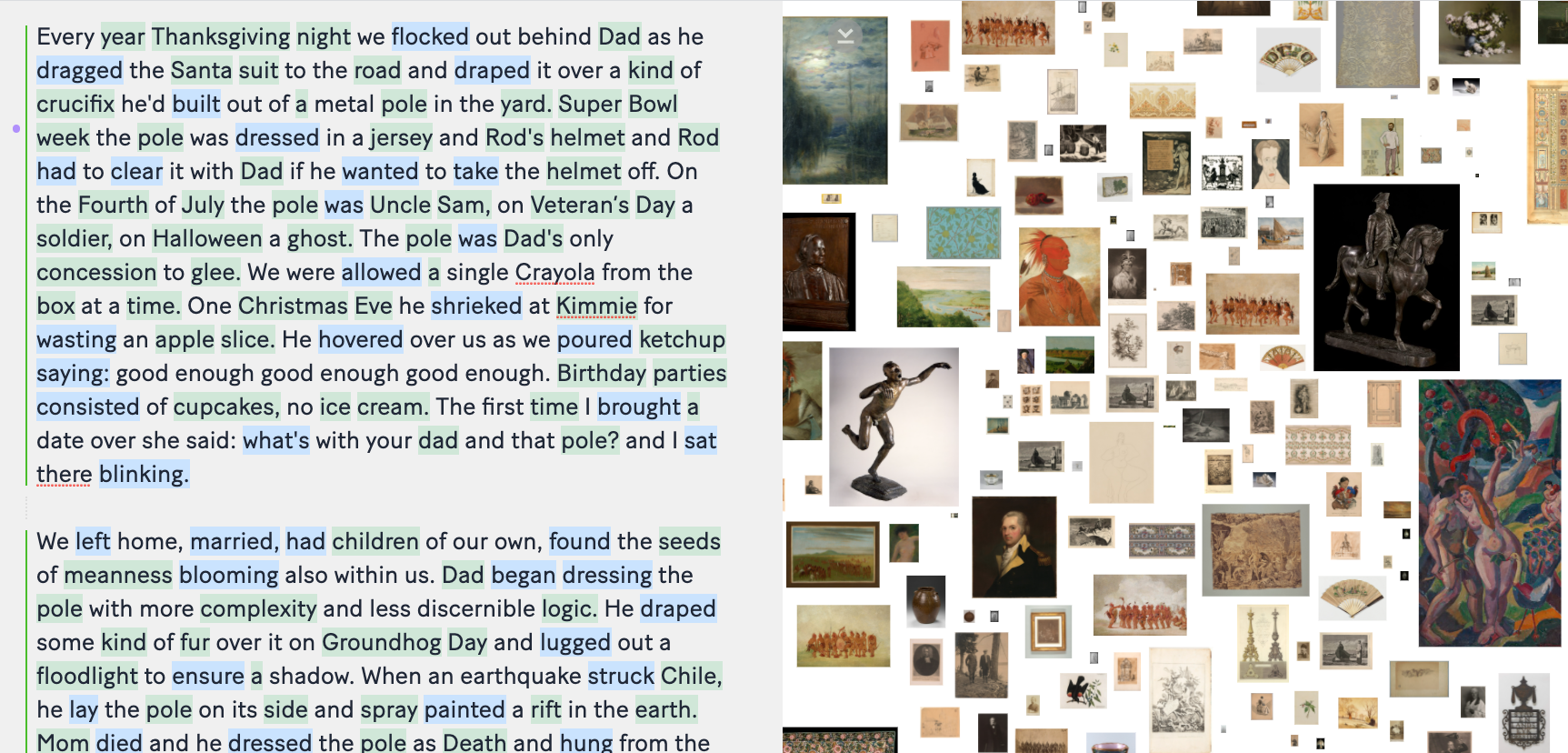
This article was written by Jono Brandel, new media artist and team lead for Writing with Open Access. It is the first in a series of Design Retrospectives on the prototypes commissioned by Cooper Hewitt’s Interaction Lab as part of Activating Smithsonian Open Access in Spring of 2021. Introduction It was a series of interviews...
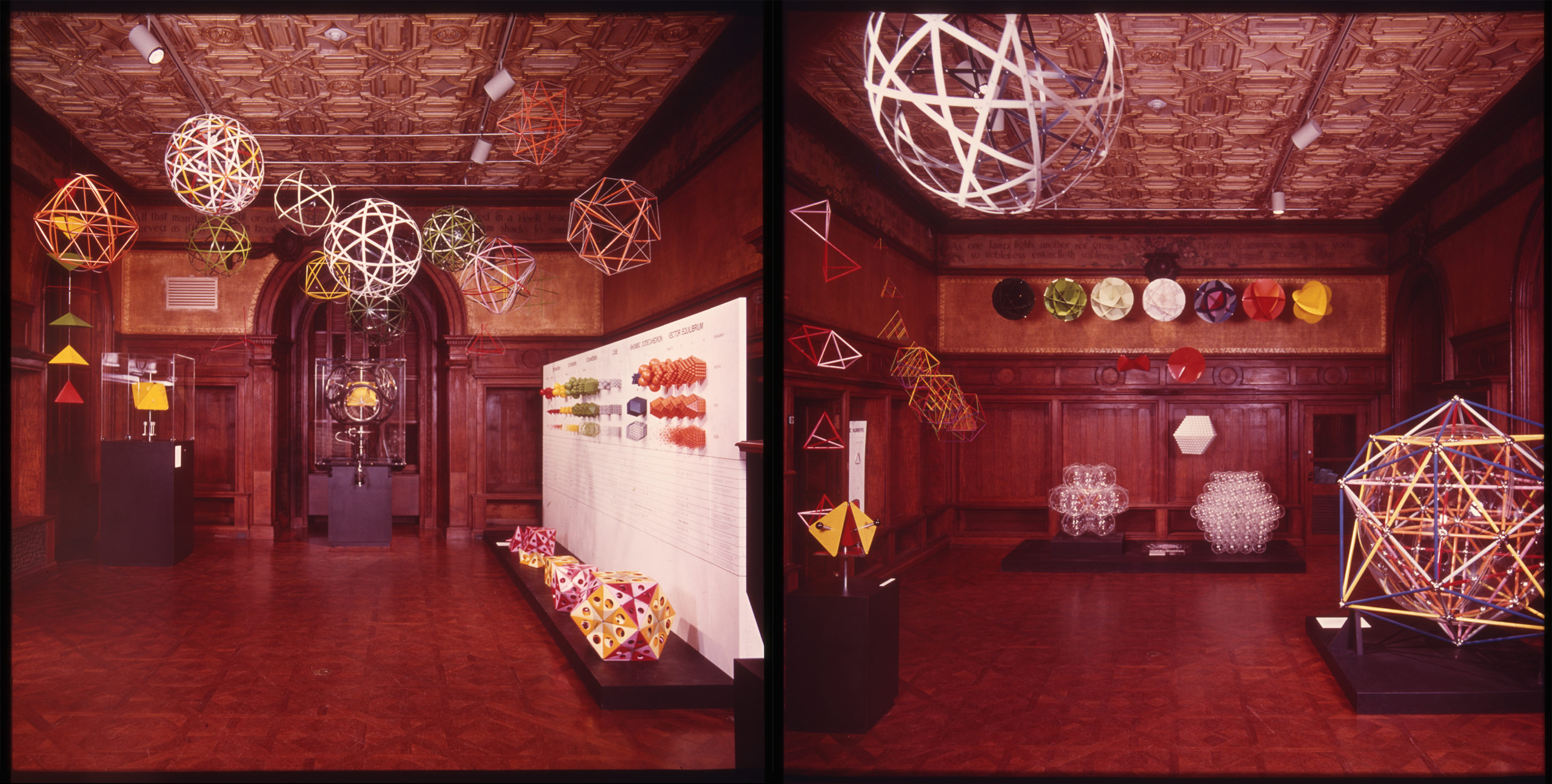
On October 7, 1976, Cooper Hewitt opened, joining the Smithsonian and becoming the nation’s design museum. Learn how that came to be.
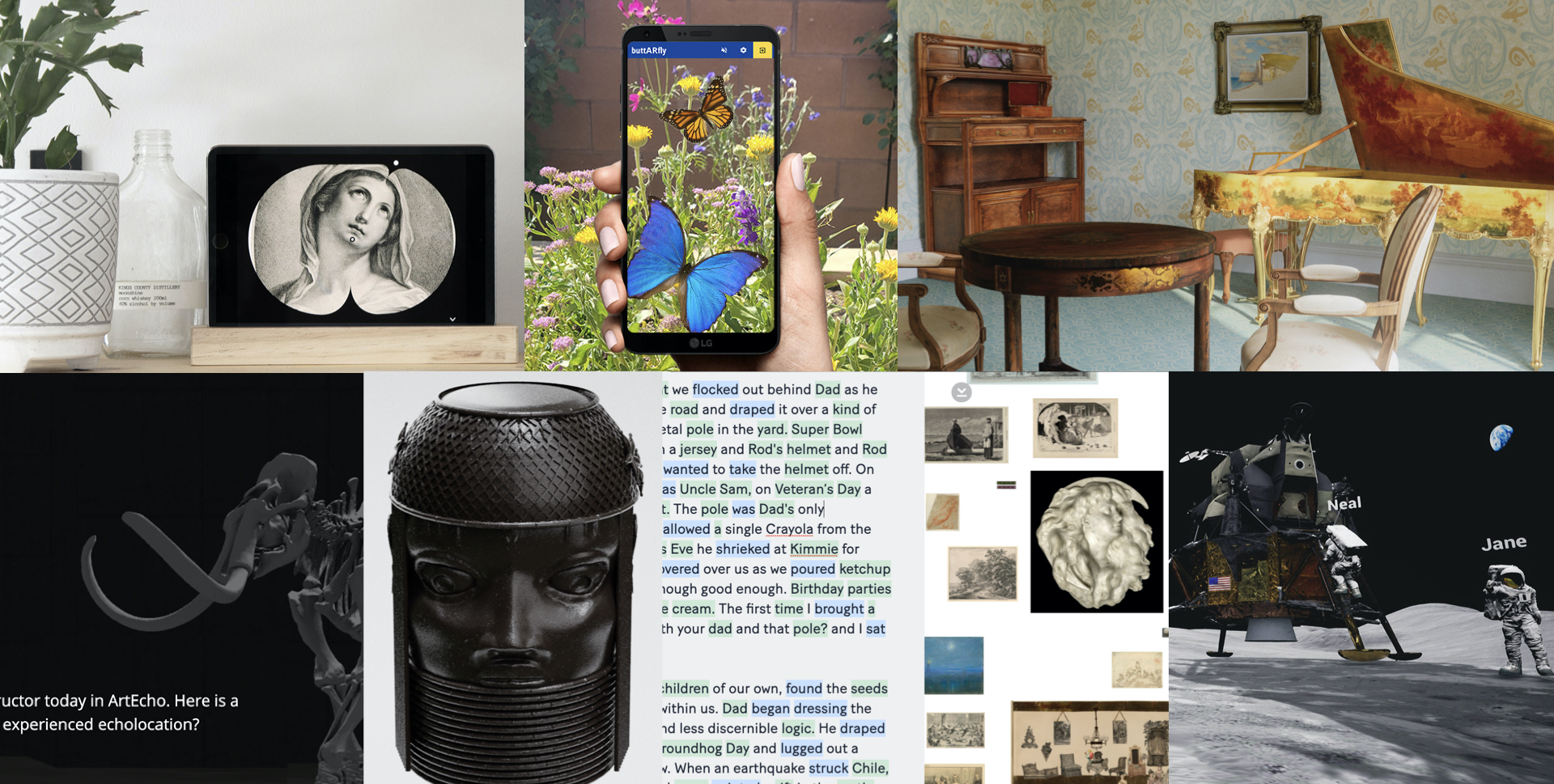
Activating Smithsonian Open Access (ASOA) was born from a conversation that took place in June of 2020, while much of the world was locked down. Millions of jobs evaporated overnight, and those working in the creative and gig economies watched incomes, projects, and years of hard-won programmatic gains in the arts and humanities vanish without...
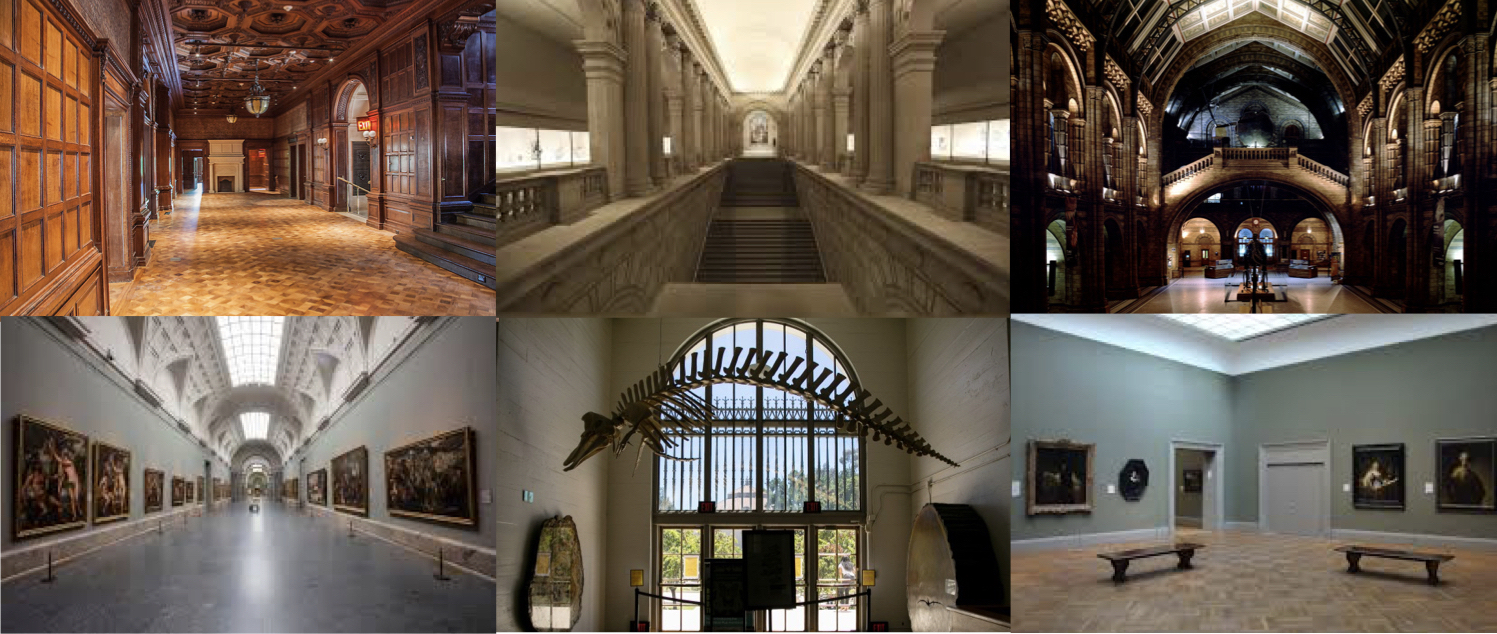
Building on the work presented in Tools and Approaches for Transforming Museum Experience, Cooper Hewitt’s Interaction Lab will offer a workshop series this fall 2021 for two separate cohorts of 20 museum practitioners and leaders across visitor experience-related disciplines who are currently working on transformative museum experience projects. The definition of a transformative museum experience...

Cooper Hewitt, Smithsonian Design Museum will reopen its doors to the public Thursday, June 10, with member preview days Sunday, June 6, and Monday, June 7. All visitors will enjoy free admission, made possible by support from the museum’s board of trustees, through Oct. 31. The museum will reopen with timed-entry ticketing and new health-and-safety procedures...

Cooper Hewitt’s National Design Awards program honors innovation and impact in design. Since its inception in 2000, many Asian Americans have been recognized with a National Design Award. Here are 14 to know: Derek Lam 2019 Fashion Award Derek Lam is a leading designer of relaxed yet elevated American sportswear. His work is known for...
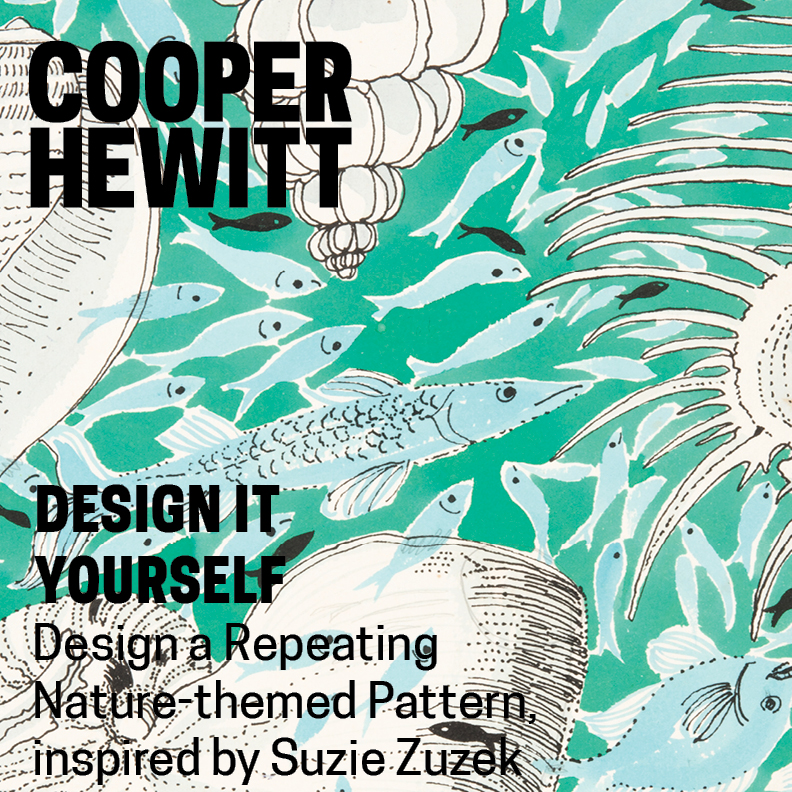
In this collection, explore the colorful, nature-inspired pattern designs of Suzie Zuzek, whose vibrant prints appeared on Lilly Pulitzer fashions in the 1960s, ’70s, and early ’80s. Follow along to design your own repeating pattern. Access on Smithsonian Learning Lab.
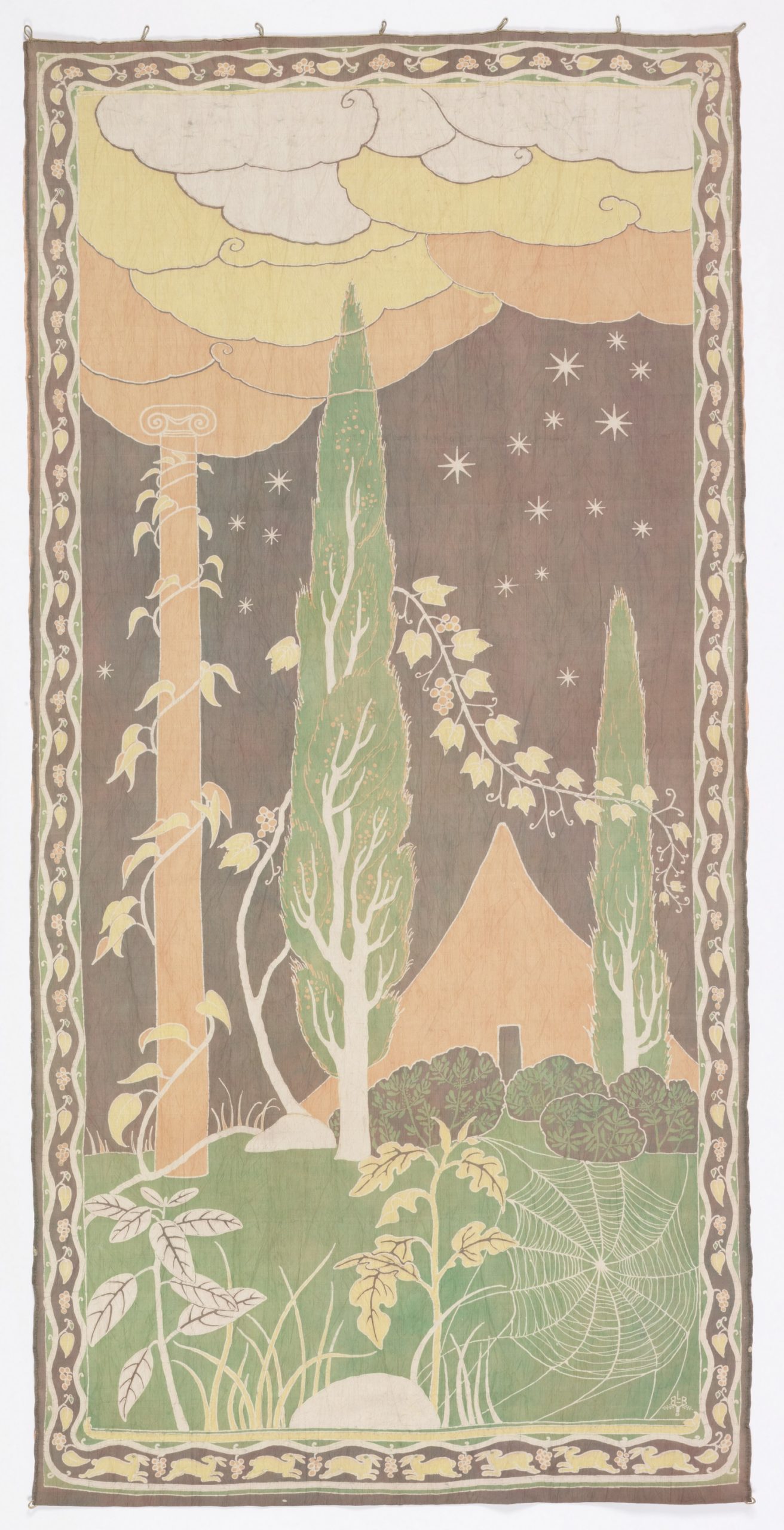
Designers can find inspiration from varying forms of creative expression. Looking at the batik murals of the American artist and designer Lydia Bush-Brown (1887–1984), her sources seemed clear. Sketches capturing scenes from her travel in the 1920s to Syria and Italy can be found repeatedly in her work. Murals featuring Syrian villages on terraced hills,...

What emoji do you use to represent yourself? For Rayouf Alhumedhi in 2015, at the time a 15-year-old Saudi student living in Berlin, there wasn’t an emoji to represent her. Rayouf is Muslim and wears a hijab. In a group chat, each of Rayouf’s friends (who don’t wear headscarves) used the female emoji to represent...
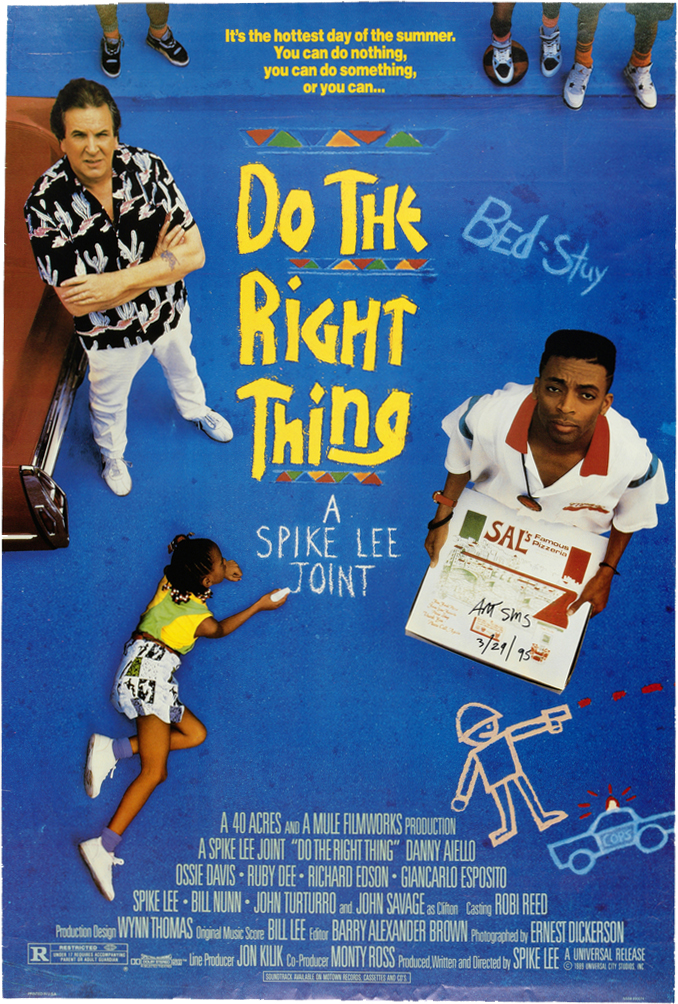
Art Sims (American, born 1954) has designed graphics across entertainment media, but his most famous and prolific work is that for film posters. His collaboration with Academy Award–winning filmmaker Spike Lee (American, born 1957), in particular, has produced some of his most iconic designs. Sims was first drawn to Lee’s work after seeing Lee’s first...
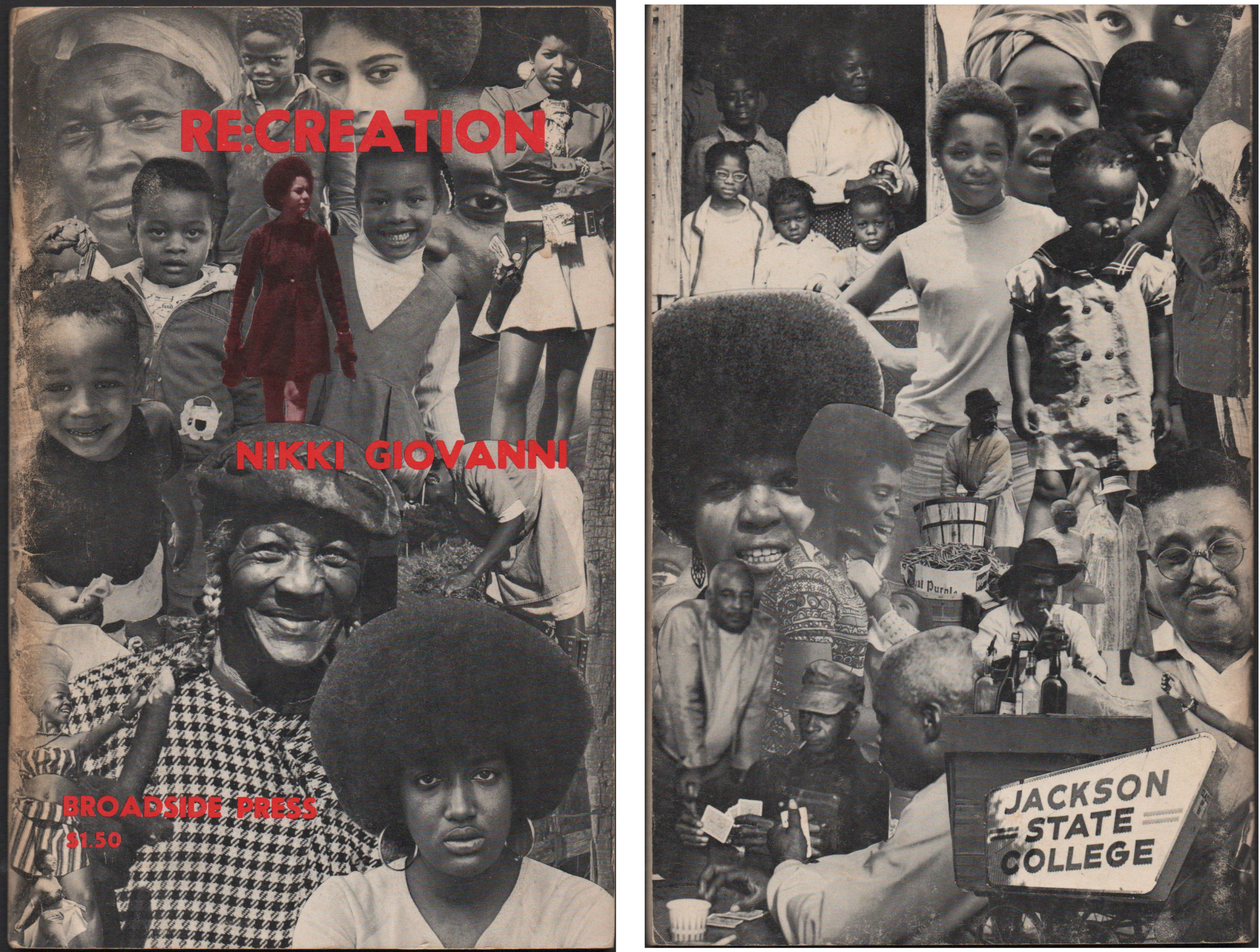
Broadside: A single sheet of paper printed on one side only. For centuries, broadsides were a popular ephemeral format for distributing news, announcements, advertisements, or commentary in the form of ballads. Between 1966 and 1975, Broadside Press in Detroit, Michigan published 81 books and dozens of poetry broadsides written and designed by Black writers and...
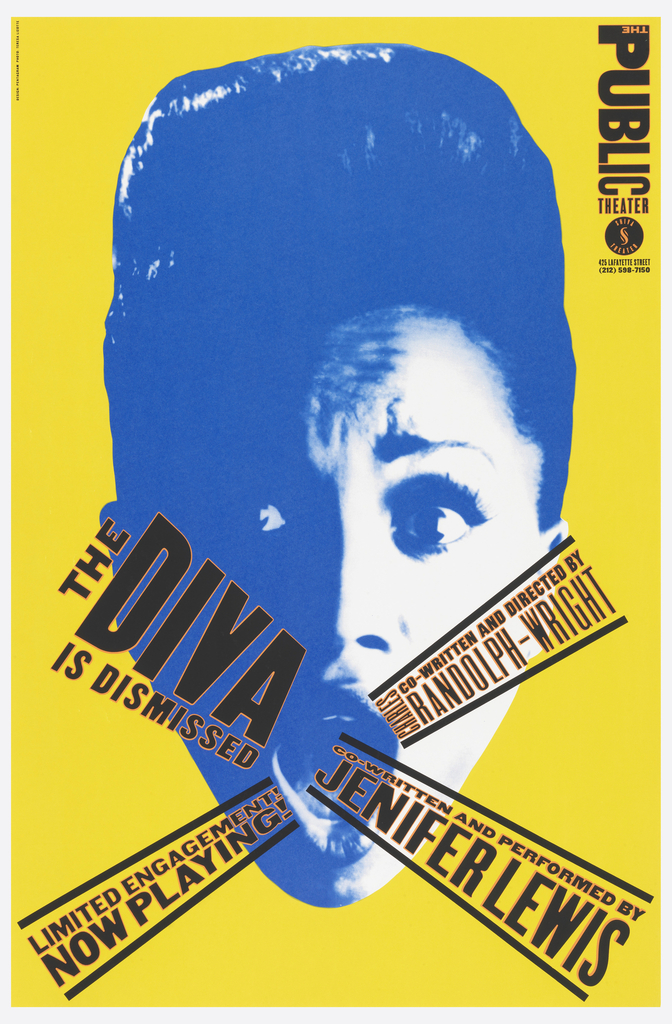
Graphic design serves a powerful role in establishing the visual identity of theatrical performance. Cooper Hewitt’s collection offers highlights of graphic design for the work of Black playwrights and composers. Narratives addressing riots and rage; exploring triumph, history, and oppression; or featuring funk, soul, and divas interact with typography, image, and space to tell a...
