Object of the Day
Discover a different object from the Museum’s collection every day of the week!
Museum curators, conservators, and educators, as well as design enthusiasts like our teen Design Scholars, docents, and Master’s students, are sharing their favorite objects from Cooper-Hewitt’s incredible collection.
Many of these objects will be featured in the expanded collection galleries when Cooper-Hewitt reopens in 2014. Until then, “Object of the Day” is your uniquely-curated corner of the Museum!
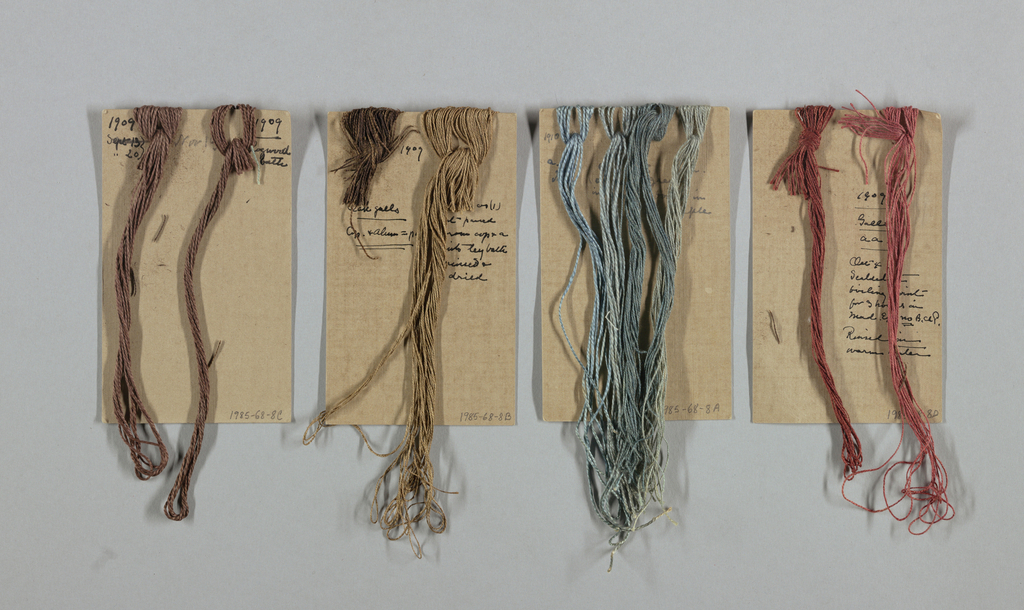
Color in CombinationPosted by Maleyne Syracuse, on Wednesday March 20, 2013Weaver and textile designer Dorothy Liebes had twin obsessions: texture and color, both exemplified by this sample from the museum’s collection. Dorothy Liebes, weaving, Color, texture |
|
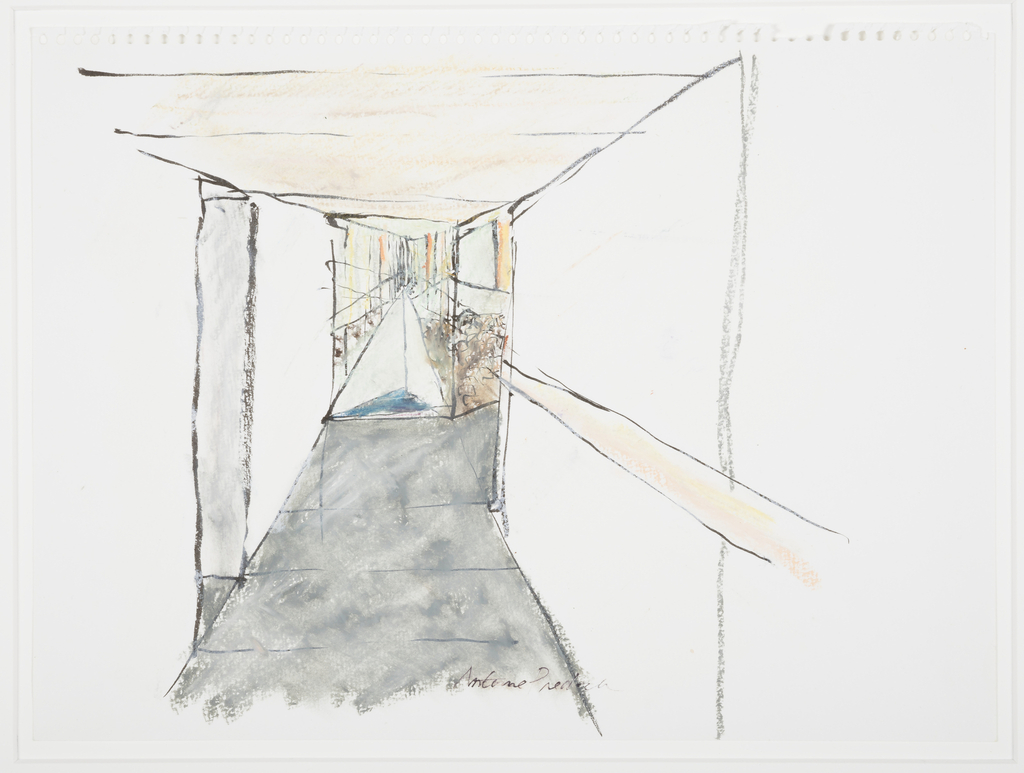
Light VolumesPosted by Kadie Yale, on Tuesday March 19, 2013I grew up next to a large church whose expansive grounds and cemetery became a wonderland in my imagination. However, searching for ghosts and playing a variety of elaborate games of make-believe had nothing on what would happen to the walls of the church at night. Standing outside, the light burst through the stained glass windows, displaying intricate stories in bright colors. As a child, my friends and I would spend what felt like hours making up tales of heroism and basking in the rays of colored lights illuminating the ground around us. Church, stained glass, Steven Holl, Architecture, chapel |
|
LongevityPosted by Laurel McEuen, on Monday March 18, 2013Asia Week is in full swing! An annual event in New York City, Asia Week began last Friday, March 15th and runs through this Saturday, March 23rd . In an effort to support and celebrate Asian art both in the city and across the nation, galleries, auction houses, museums and cultural institutions in New York host sales, exhibitions, lectures and other special events. China, rank badge, crane, textile, Asia |
|
Whimsy and ShamrocksPosted by Sarah D. Coffin, on Sunday March 17, 2013A collector of English furniture once asked me if I recognized who might have made a chest of drawers he had purchased. It had beautifully executed inlays and was in an early neo-classical style that appeared to say it was made in London. In fact, the inlays looked like the work of the firm of cabinetmakers Mayhew and Ince who produced very fine furniture there from about 1759-1800, much of which featured sophisticated inlays in the style popularized by architect Robert Adam, with whom they worked. However, there was more whimsy in the style of the inlays on the chest. Adam, neo-classical, inlays, marquetry, pier table, honeysuckle, anthemion, palmetto, satinwood |
|
Light YearsPosted by Ellen Lupton, on Saturday March 16, 2013Michael Bierut, Nicole Trice, Tobias Frere-Jones, Josef Müller-Brockmann, Ed Ruscha, Pentagram, Architectural League of New York, film, graphic design, poster |
|
Ribbons and BowsPosted by Sarah Donahue, on Friday March 15, 2013Even today, in the twenty-first century, when we think of ribbons and bows we tend to think of girls, not boys. This design from 1755, has both ribbons and bows, but was designed by an Englishman: Thomas Chippendale. What is more, it was published in a book meant exclusively for men: The Gentleman and Cabinet-Maker’s Director. Chippendale’s publication was a pattern book with multiple designs for domestic objects such as chairs, beds, tall clocks, frames, and high boys – all prese Thomas Chippendale, chairs, furniture, etching, rococo |
|
Learning by CrochetingPosted by Matilda McQuaid, on Thursday March 14, 2013There is something very seductive about mathematical models and equations. Whether it is their complexity and conciseness, orderly arrangement of symbols and numbers on the page, or their beauty as physical structures, they reflect the problem-solving process in action. crochet, math, Daina Taimina |
|
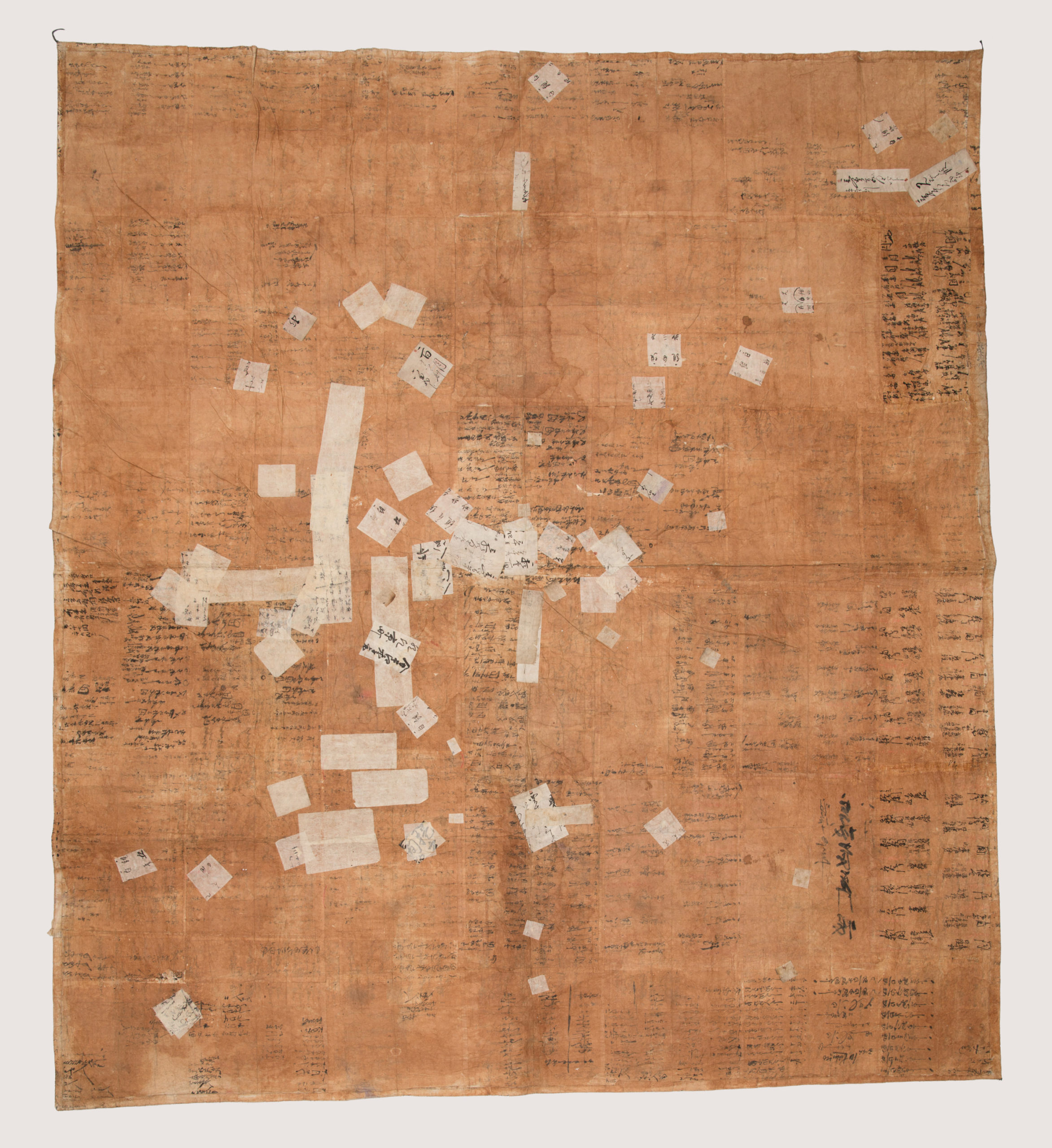
Wrapped upPosted by Amanda Kesner, on Wednesday March 13, 2013Pojagi is a Korean ceremonial wrapping cloth used to cover gifts, protect sacred writings, hold food or carry objects in everyday life. The primary purpose of a pojagi is to respect an object and present the recipient with blessing and good will. Pojagi is still used in contemporary Korean society but it became a cultural icon in pre-modern Korea during the Chosŏn dynasty (1392-1910). Pojagi, textiles, silk, Korea, International Quilt Study Center & Museum |
|
Illuminating New York: Caldwell & CompanyPosted by Jen Cohlman, on Tuesday March 12, 2013This black and white photograph represents just one of 37,000 from the National Design Library's Caldwell & Company Collection. Also containing 13,000 original drawings and watercolor sketches, this immense visual resource comprises one of the largest lighting fixture archives by a single American company. lighting, Art Deco, Carnegie mansion, ceiling fixture, metalwork |
|
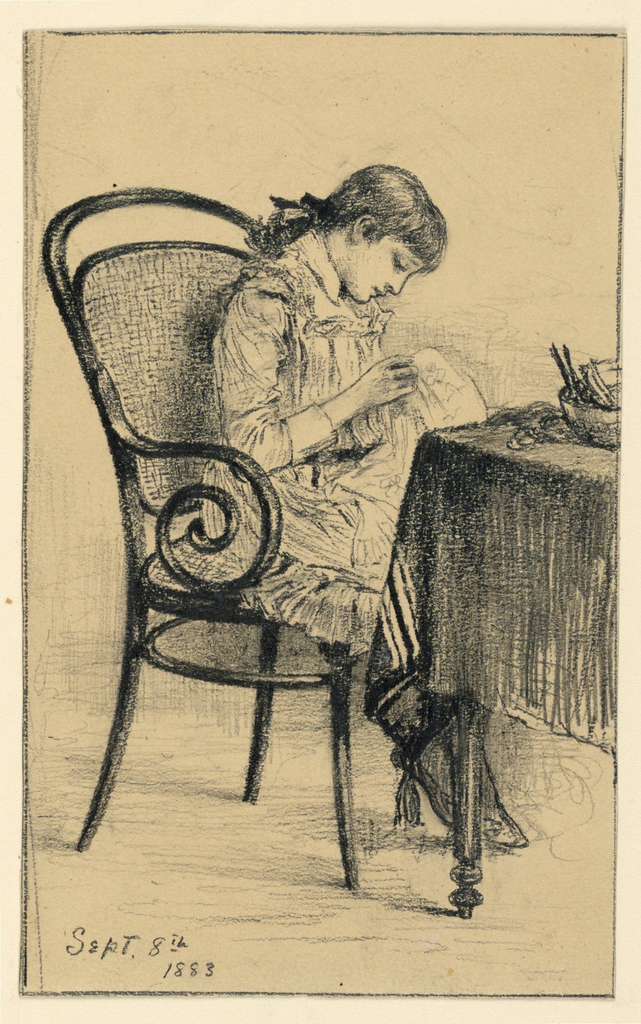
Napoleon's Other WifePosted by Sarah R. Donahue, on Monday March 11, 2013Though most people only know of his first wife Joséphine, Napoleon I of France was married twice during his lifetime. Napoleon and Joséphine were married on March 9, 1796. Their marriage was a strained one, due to Napoleon’s extensive travel and their inability to have children. Though their correspondence shows that they had once cared for one another, by 1809, Napoleon was looking to divorce Joséphine and wed another woman who could offer him money and children. Napolean, Marie-Louise of Austria, embroidery design, commemorative |
|