Previously On View: Friday, July 7, 2023 to Sunday, February 4, 2024
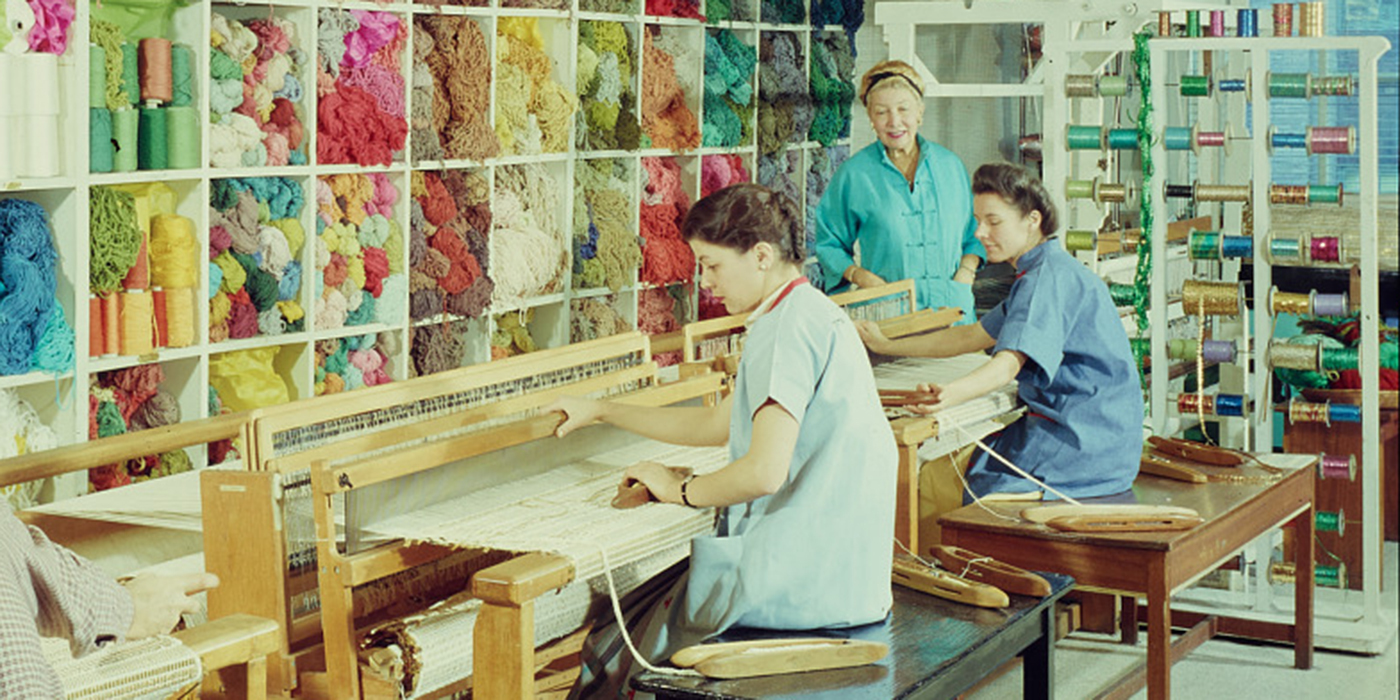
American textile designer, weaver, and color authority Dorothy Liebes (1897–1972) had a profound influence across design fields, helping to shape American tastes in areas from interiors and transportation to industrial design, fashion, and film. The “Liebes Look”—which combined vivid color, lush texture, and often a glint of metallic—became inextricably linked with the American modern aesthetic....

Previously On View: Friday, June 10, 2022 to Sunday, August 6, 2023
What would be possible if we were to design for peace? Designing Peace explores the unique role design can play in pursuing peace. Visitors will encounter a wide range of design responses from around the world that look at ways to create and sustain a more durable peace, and will be encouraged to consider their own agency in...
Previously On View: Friday, December 9, 2022 to Monday, May 29, 2023
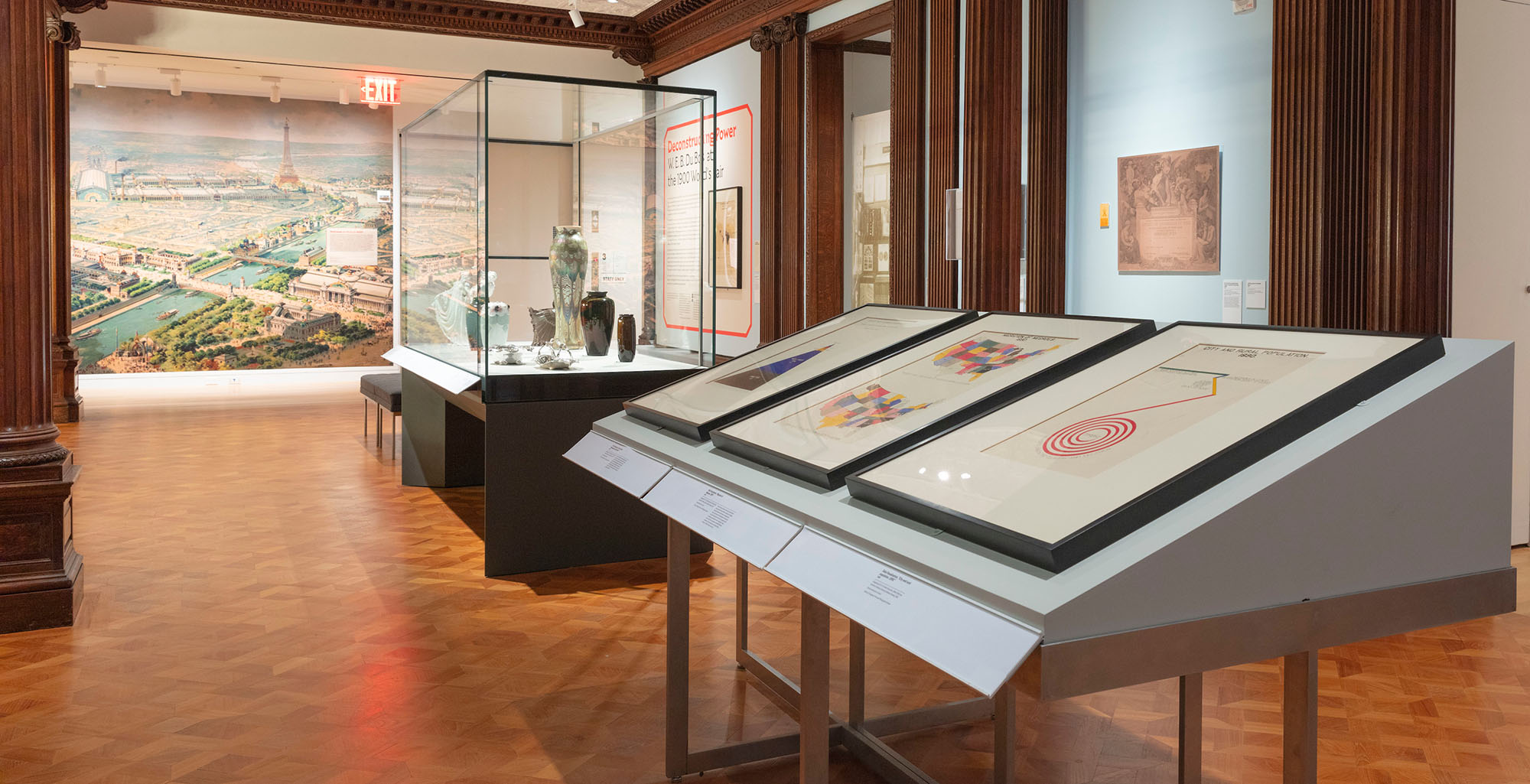
Deconstructing Power: W. E. B. Du Bois at the 1900 World’s Fair places decorative arts from Cooper Hewitt’s permanent collection in dialogue with 20 innovative data visualizations that W. E. B. Du Bois (1868–1963) created for the 1900 Paris World’s Fair to explore how design can both reveal and mask dynamics of power and equity....
Previously On View: Saturday, June 8, 2019 to Monday, May 29, 2023
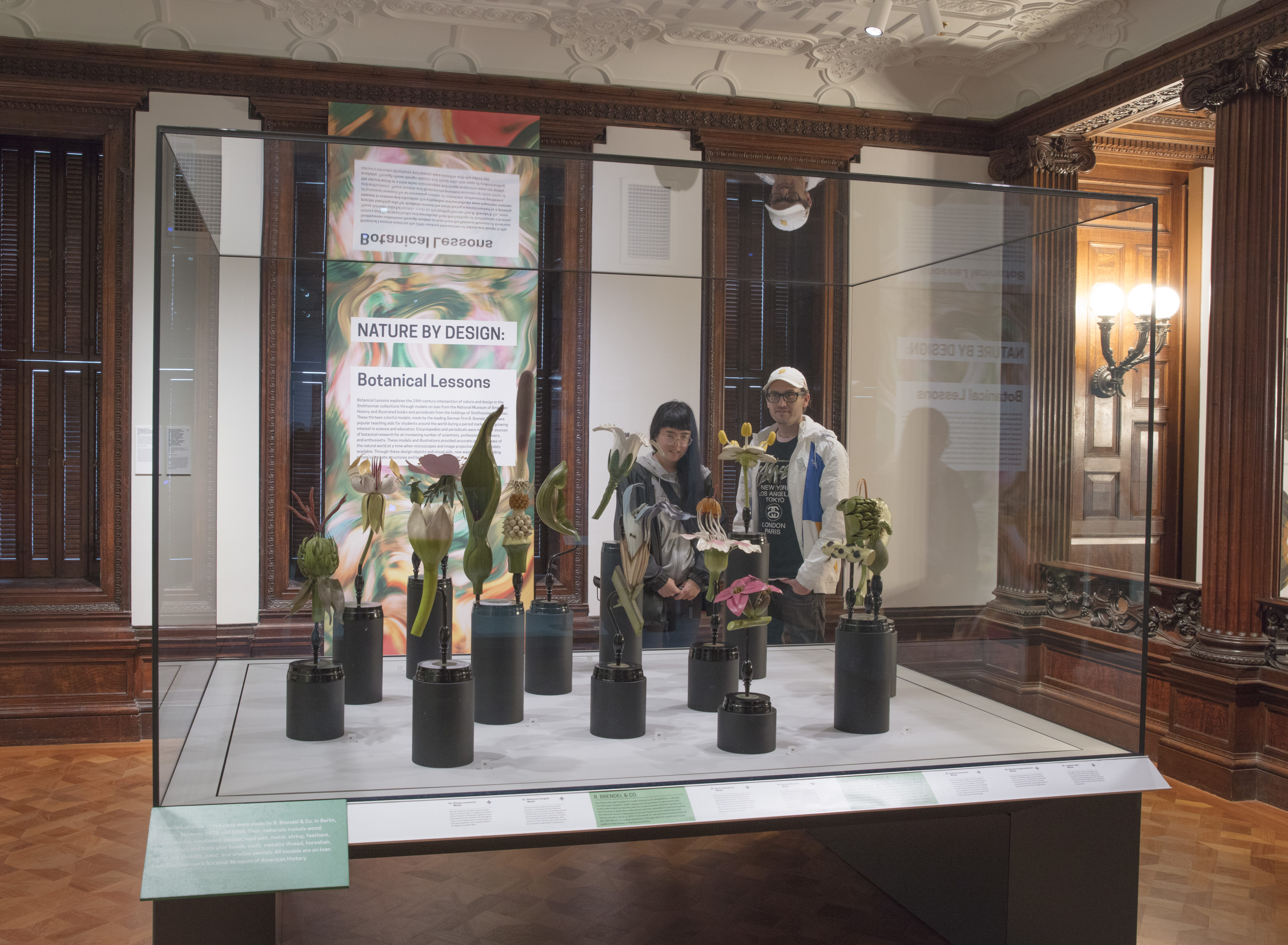
Nature by Design presents distinct stories drawn from Cooper Hewitt’s collection of over 215,000 design objects. Throughout history, designers have observed nature, investigated its materials, and imitated and abstracted its patterns and shapes. Textiles, jewelry, furniture, cutlery, and more show how designers have interpreted nature’s rich beauty and astonishing complexity. Across scales from microscopic to monumental, and in forms familiar ...
Previously On View: Friday, November 18, 2022 to Sunday, May 21, 2023
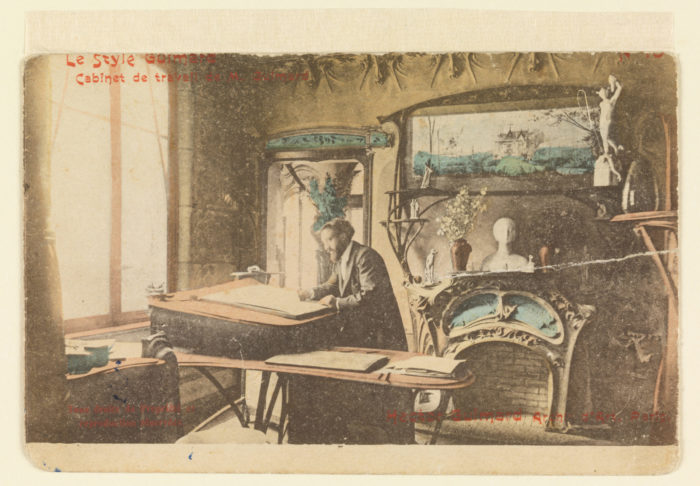
Hector Guimard: How Paris Got Its Curves invites a new understanding of France’s most famous art nouveau architect, Hector Guimard (1867–1942). Guimard is perhaps best known for his designs for the Paris Métro stations (1898–1900) and private residences like Castel Béranger (1895–97)—both important commissions broadcasting the art nouveau style he was developing at the turn of the century. The repeated ...
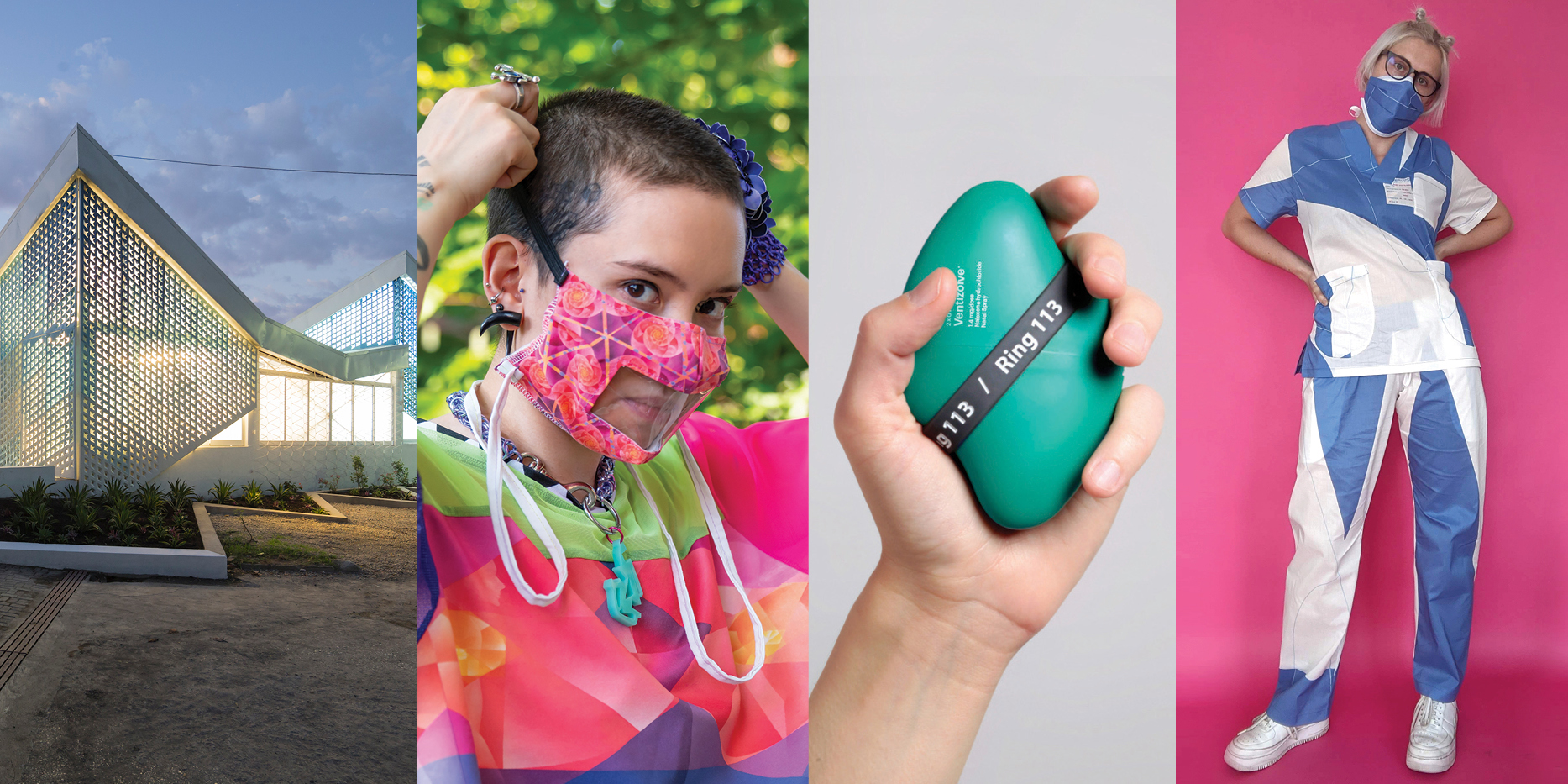
Previously On View: Friday, December 10, 2021 to Sunday, March 19, 2023
What is design’s role in times of crisis? Communities and individuals come together to aid each other, push for change, and create new spaces, objects, and services. Epidemics—both in the past and in the present—have triggered the discovery of new ways to treat and prevent disease while exposing systemic gaps and failures.
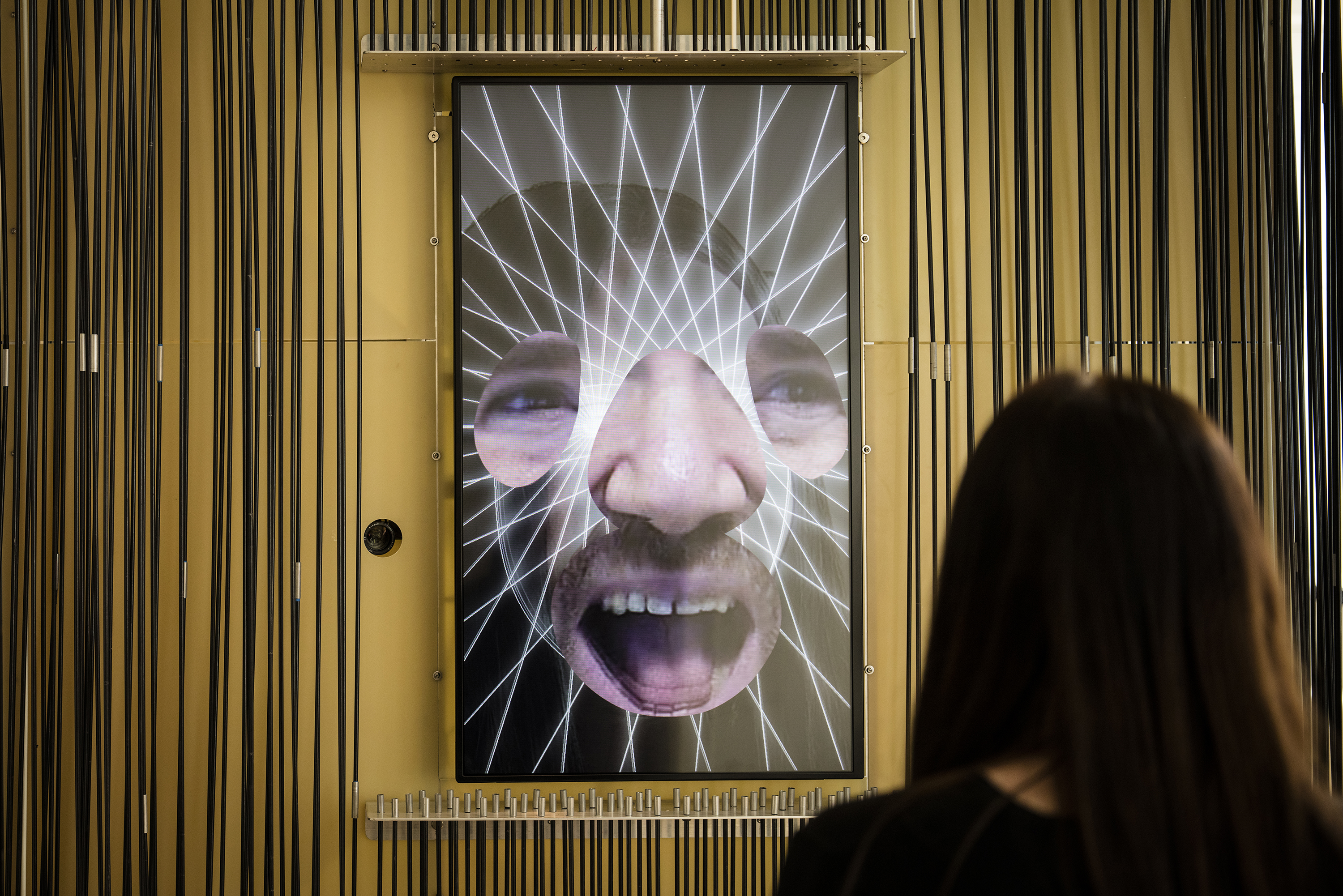
Previously On View: Friday, September 20, 2019 to Monday, February 13, 2023
Presented in Cooper Hewitt’s Process Lab, Face Values: Exploring Artificial Intelligence is an immersive installation that explores the pervasive but often hidden role of facial-detection technology in contemporary society. This high-tech, provocative response investigates the human face as a living data source used by governments and businesses to track, measure, and monetize emotions. Using their own...
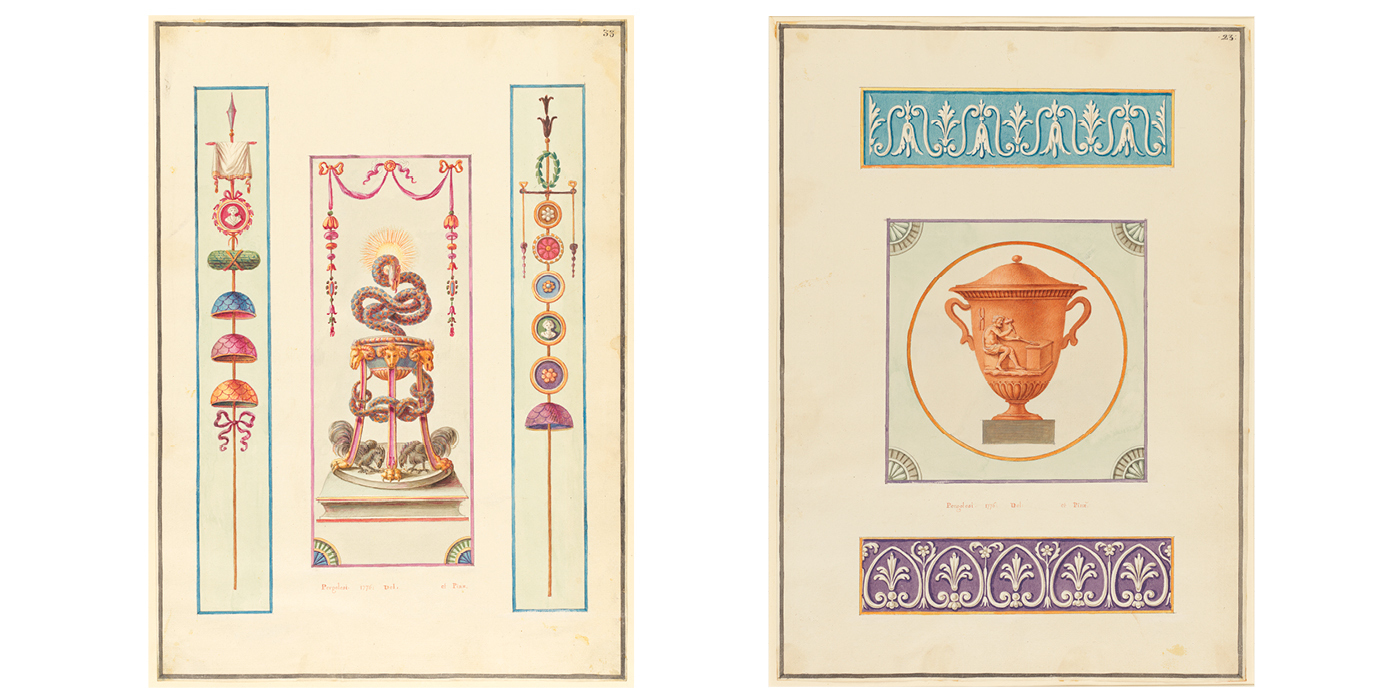
Previously On View: Saturday, October 1, 2022 to Sunday, January 29, 2023
Mr. Pergolesi’s Curious Things: Ornament in 18th-Century Britain showcases fanciful drawings and prints by Michel Angelo Pergolesi (died 1801), an Italian-born artist whose professional specialty, in his words, was “the ornaments of the ancients.” In the early 1760s, Pergolesi moved to London, England, where he helped popularize a neoclassical style that employed ornament inspired by...
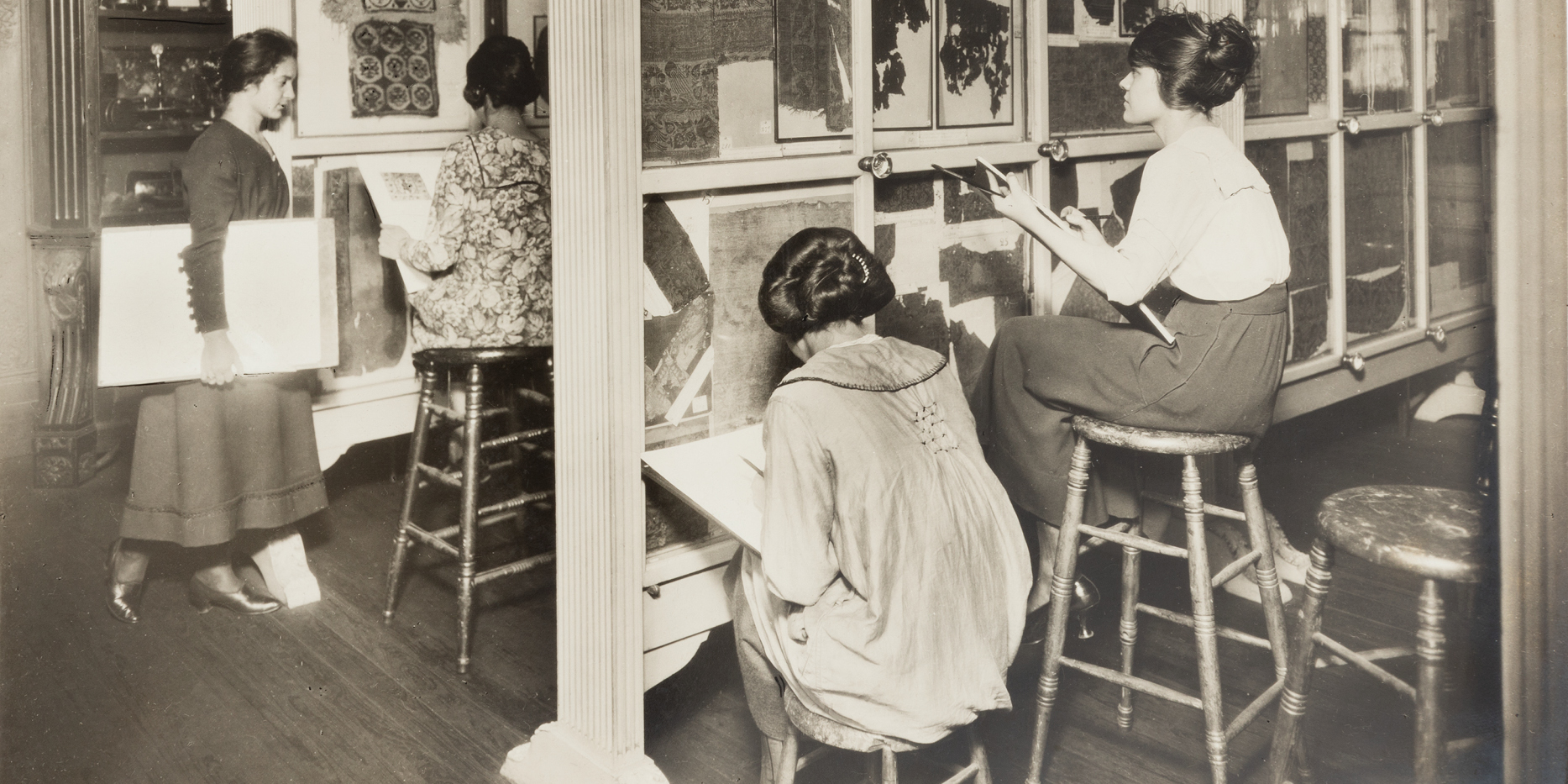
Previously On View: Friday, February 4, 2022 to Sunday, October 23, 2022
Sarah & Eleanor Hewitt: Designing a Modern Museum chronicles the colorful lives and contributions of the dynamic sisters and explores how they created The Cooper Union Museum for the Arts of Decoration. Through archival photography and documents, personal drawings and correspondence, news clippings and ephemera, the exhibition introduces the sisters as educators, collectors, and philanthropists....
View exhibitions prior to 2015 on the collection site
