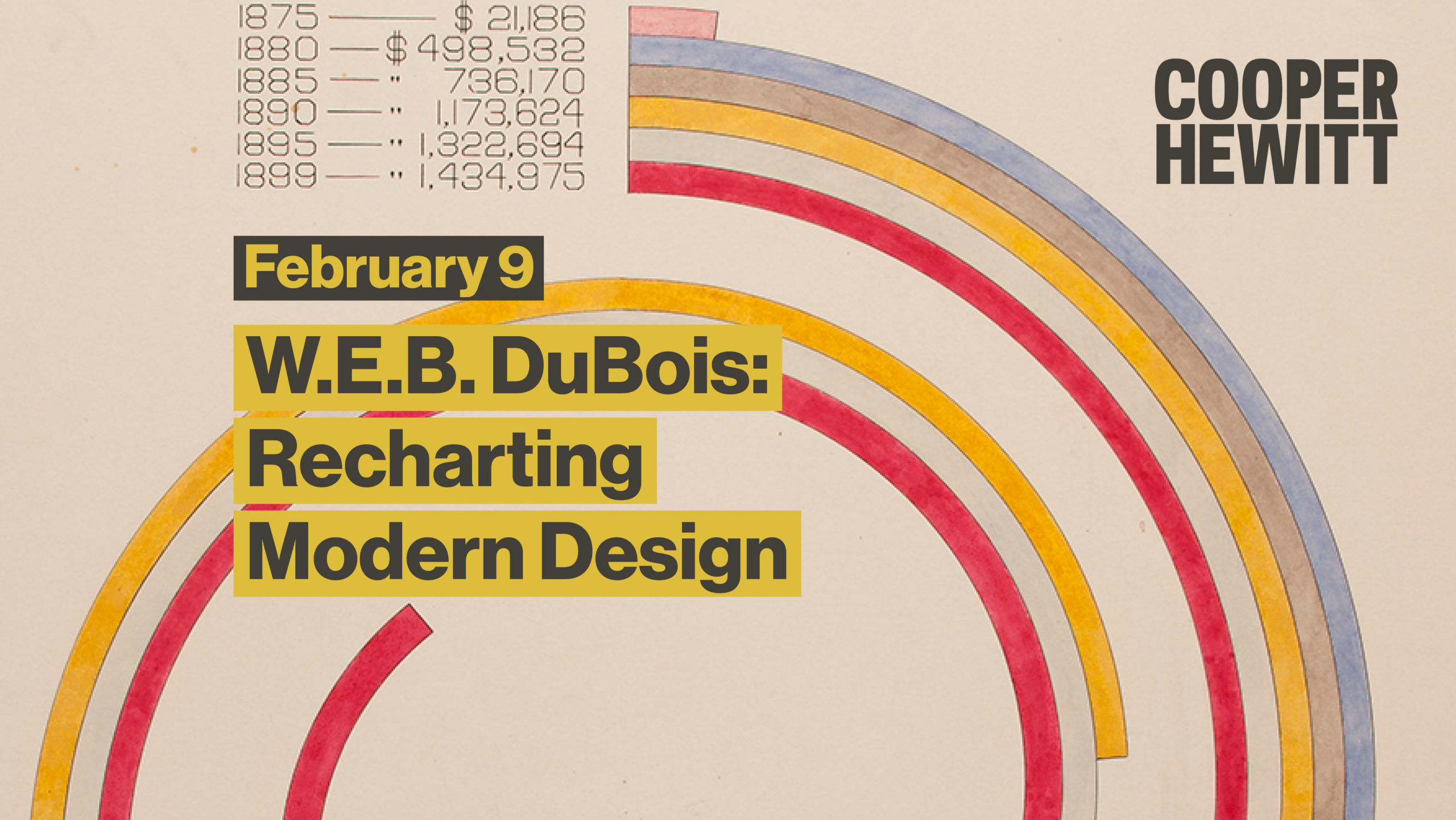
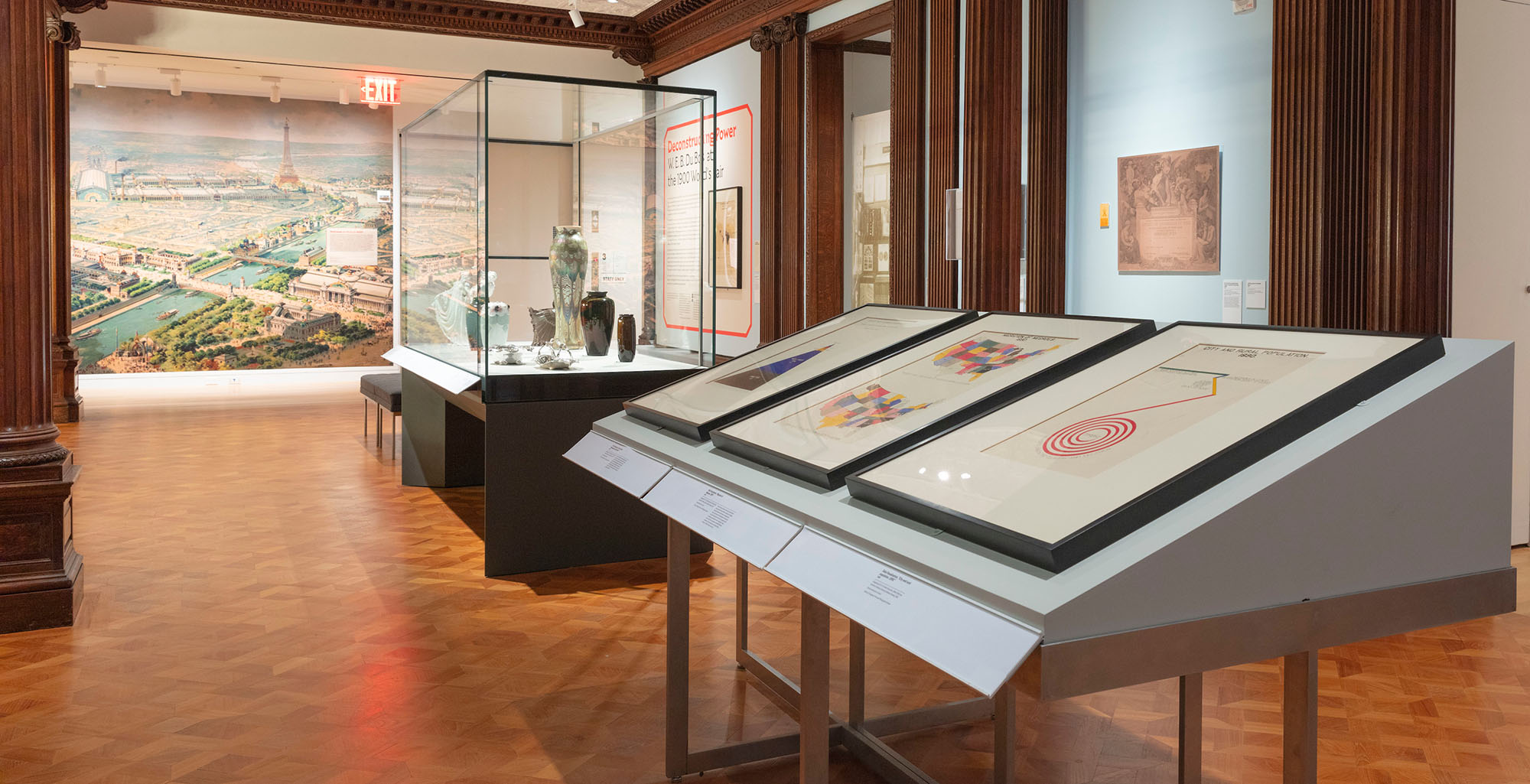
Deconstructing Power: W. E. B. Du Bois at the 1900 World’s Fair places decorative arts from Cooper Hewitt’s permanent collection in dialogue with 20 innovative data visualizations that W. E. B. Du Bois (1868–1963) created for the 1900 Paris World’s Fair to explore how design can both reveal and mask dynamics of power and equity.
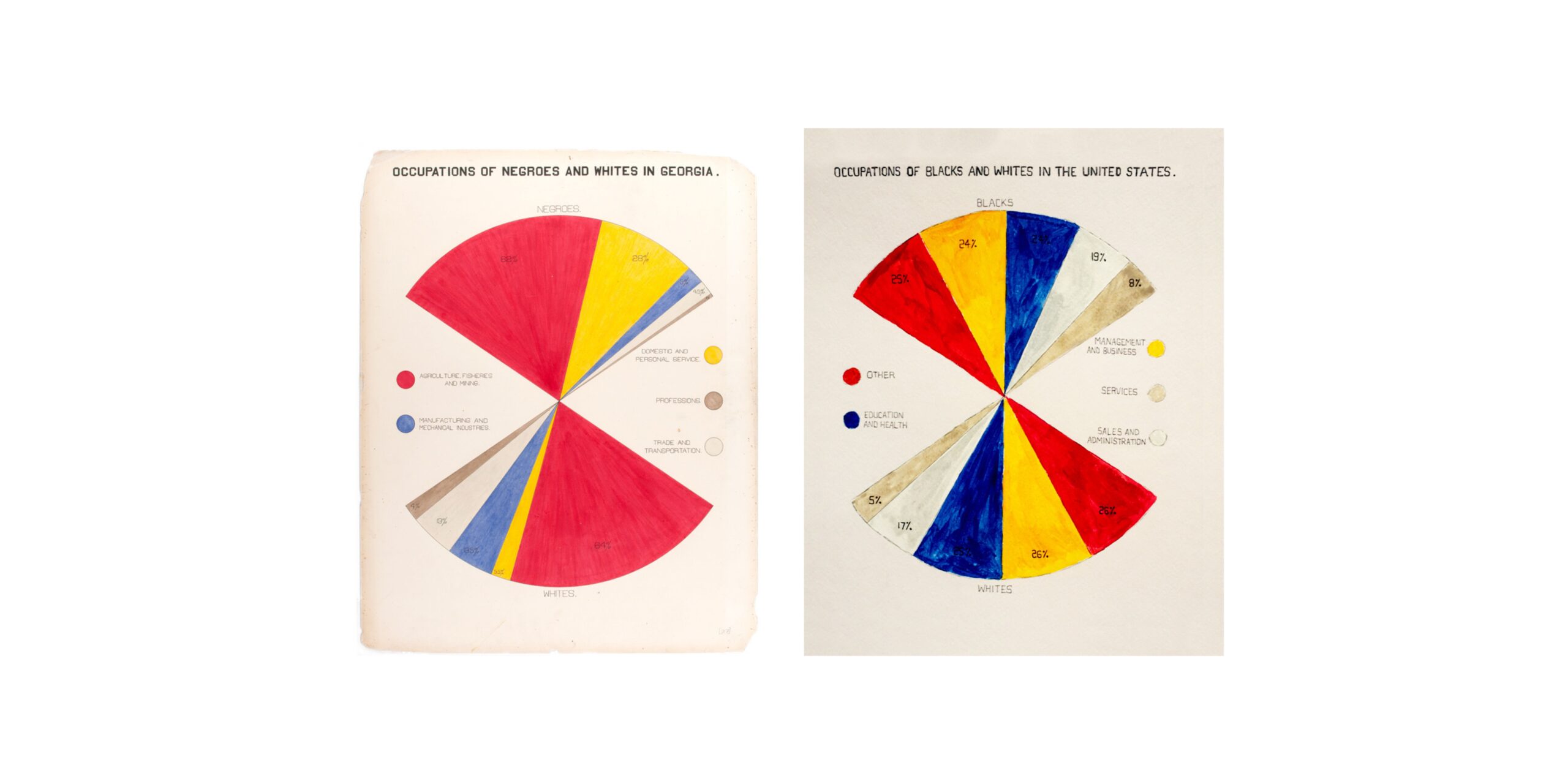
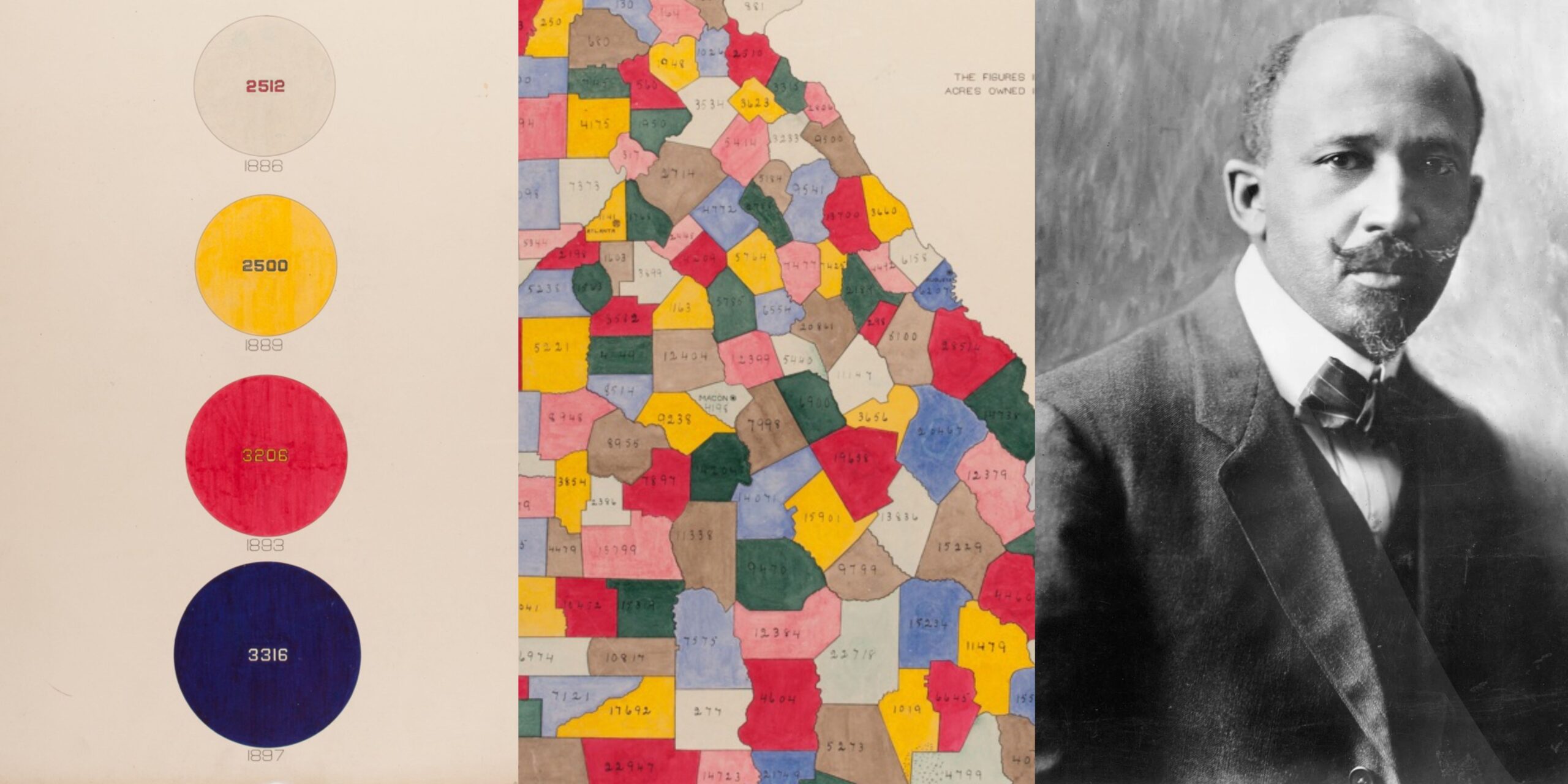
Forty-seven countries participated in the 1900 Paris World’s Fair, each attempting to demonstrate to a global audience its cultural and economic progress through carefully crafted installations of the latest in art, imported materials, and cutting-edge innovations. For the Exhibit of American Negroes, Du Bois and his Atlanta University students made 63 hand-drawn diagrams that used shape, line, and color to showcase the success Black Americans had achieved despite facing pervasive racism in the United States and the global community. The data visualizations were created on presentation cardboard and conceived for a temporary installation at the fair. Given their fragile nature, the works will be rotated during the course of the exhibition.
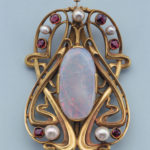
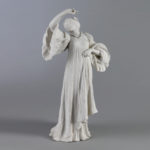
This exhibition highlights these groundbreaking data visualizations, on loan from the Library of Congress, and, for the first time, will bring them into dialogue with the manufacturers and decorative arts also on display at the fair. Examples by Sèvres, Louis Comfort Tiffany, and Emile Gallé illuminate how national styles were crafted; these examples also prompt a continued investigation of what and who defines a nation. Works by Carlo Bugatti, Adolf Loos, and Henry van de Velde call for deeper exploration of the imperial fantasies permeating modern design at the turn of the century.
EXHIBITION HIGHLIGHTS
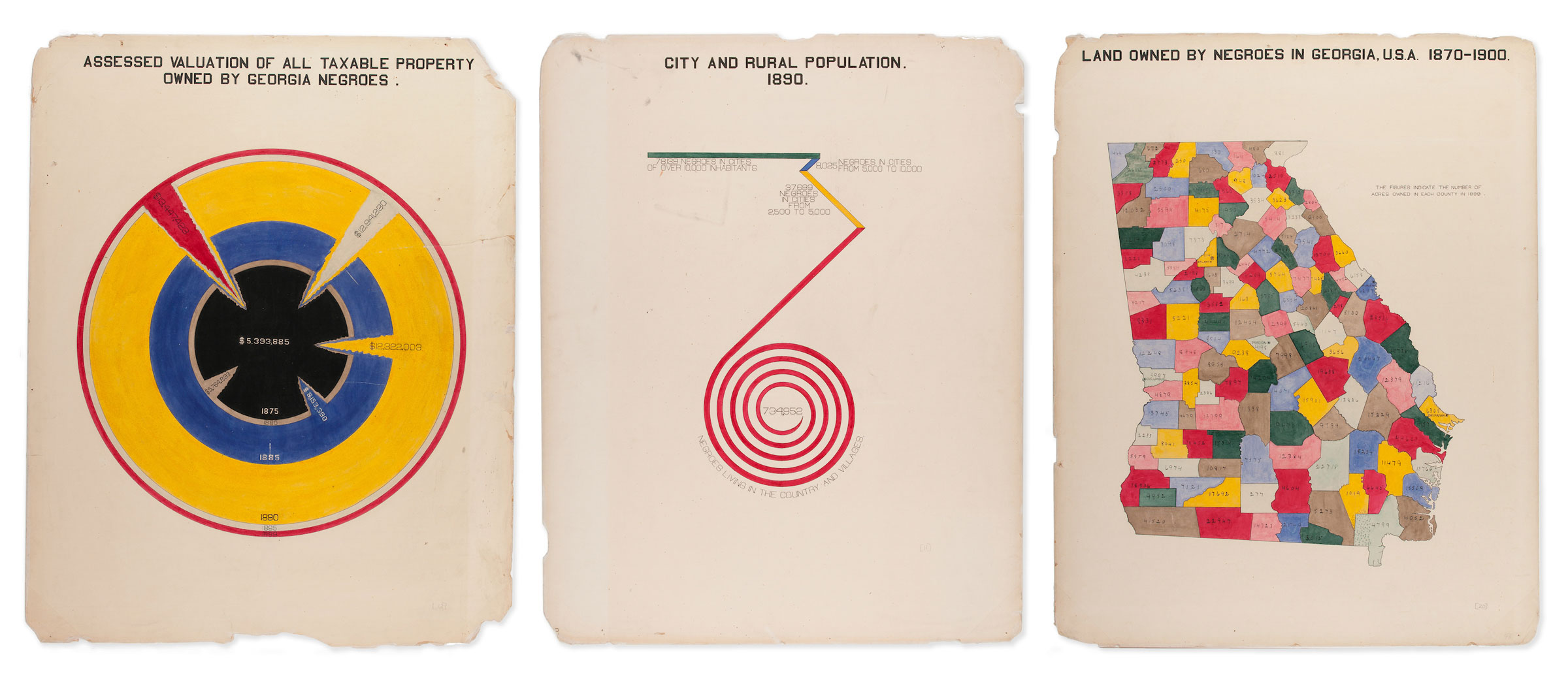
Data Visualization, “Assessed valuation of all taxable property owned by Georgia Negroes.”, 1900; Designed by W. E. B. Du Bois (American, 1868–1963) and students of Atlanta University (Atlanta, Georgia, USA); Ink and watercolor on board; 71 × 56 cm (27 15/16 × 22 1/16 in.); Library of Congress Prints and Photographs Division
Data Visualization, “Land owned by Negroes in Georgia, U.S.A. 1870–1900.”, 1900; Designed by W. E. B. Du Bois (American, 1868–1963) and students of Atlanta University (Atlanta, Georgia, USA); Ink and watercolor on board; 71 × 56 cm (27 15/16 × 22 1/16 in.); Library of Congress Prints and Photographs Division
Data Visualization, “Income and expenditure of 150 Negro families in Atlanta, Ga., U.S.A.”, 1900; Designed by W. E. B. Du Bois (American, 1868–1963) and students of Atlanta University (Atlanta, Georgia, USA); Ink and watercolor on board; 56 × 71 cm (22 1/16 × 27 15/16 in.); Library of Congress Prints and Photographs Division
Data Visualization, “City and rural population. 1890.”,
1900; Designed by W. E. B. Du Bois (American, 1868–1963) and students of Atlanta University (Atlanta, Georgia, USA);
Ink and watercolor on board; 71 × 56 cm (27 15/16 × 22 1/16 in.); Library of Congress Prints and Photographs Division
“The Georgia Negro. A social study,” 1900; Designed by W. E. B. Du Bois (American, 1868–1963) and students of Atlanta University; Ink and watercolor on board;
71 × 56 cm (27 15/16 × 22 1/16 in.); Library of Congress Prints and Photographs Division
Deconstructing Power: W. E. B. Du Bois at the 1900 World’s Fair was curated by Devon Zimmerman, associate curator of modern and contemporary art at the Ogunquit Museum of American Art, in consultation with Lanisa Kitchiner, chief of the African and Middle Eastern Division at the Library of Congress, and with support from Yao-Fen You, senior curator and head of product design and decorative arts at Cooper Hewitt, and Christina De Léon, associate curator of Latino Design at Cooper Hewitt.
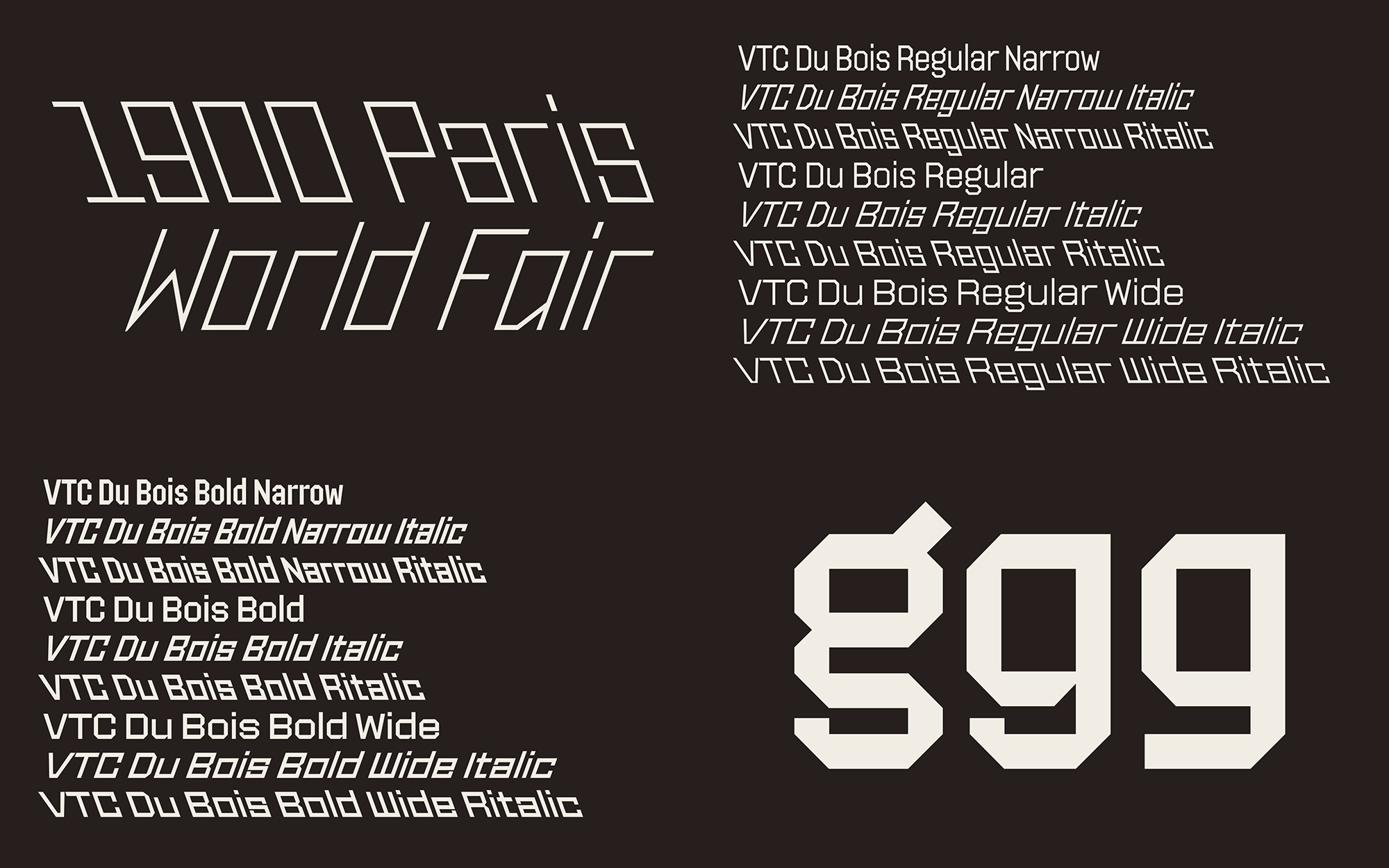
Exhibition design and graphic design by Polymode.
SUPPORT
Deconstructing Power: W.E.B. DuBois at the 1900 World’s Fairis made possible with major support from TheHearthlandFoundation and Denise Littlefield Sobel. Additional support is provided by the Ehrenkranz Fund and The Felicia Fund.
RELATED EXHIBITION
Furniture, metalwork, ceramics, drawings, and photographs transform the second floor of Cooper Hewitt into early-20th-century Paris in Deconstructing Power and the related exhibition, Hector Guimard: How Paris Got Its Curves. Concurrently on view, Hector Guimard invites a new understanding of France’s most famous art nouveau architect, Hector Guimard (1867–1942). Learn more.
Deconstructing Power: W. E. B. Du Bois at the 1900 World’s Fair places decorative arts from Cooper Hewitt’s permanent collection in dialogue with 20 of W. E. B. Du Bois’ innovative data visualizations. On loan from the Library of Congress, these groundbreaking visualizations document the progress of Black Americans and life inside the veil of systemic...
At the Paris World Fair of 1900, W. E. B. Du Bois used groundbreaking statistical graphics to document the accomplishments of Black Americans and life inside “the Veil” of systemic oppression. In Fall 2022, the Library of Congress will lend a selection of these rare data visualizations to Cooper Hewitt’s Deconstructing Power: W. E. B....
In this guided exhibition tour, visitors will explore the groundbreaking data visualizations W. E. B. Du Bois created for the 1900 Paris World’s Fair. On loan from the Library of Congress, the hand-drawn diagrams used shape, line, and color to showcase the success Black Americans had achieved despite facing pervasive racism in the United States and the global community.
Join us for a conversation with data journalist Mona Chalabi and curators Christina L. De León and Devon Zimmerman to celebrate the closing of Deconstructing Power: W. E. B. Du Bois at the 1900 World’s Fair. The exhibition places decorative arts from Cooper Hewitt’s permanent collection in dialogue with 20 innovative data visualizations that Du Bois created for the 1900 Paris World’s Fair to explore how design can both reveal and mask dynamics of power and equity. Through the lens of Chalabi’s contemporary data visualizations, the panelists will discuss the enduring legacy of Du Bois’ work and data as a source of power in today’s world.
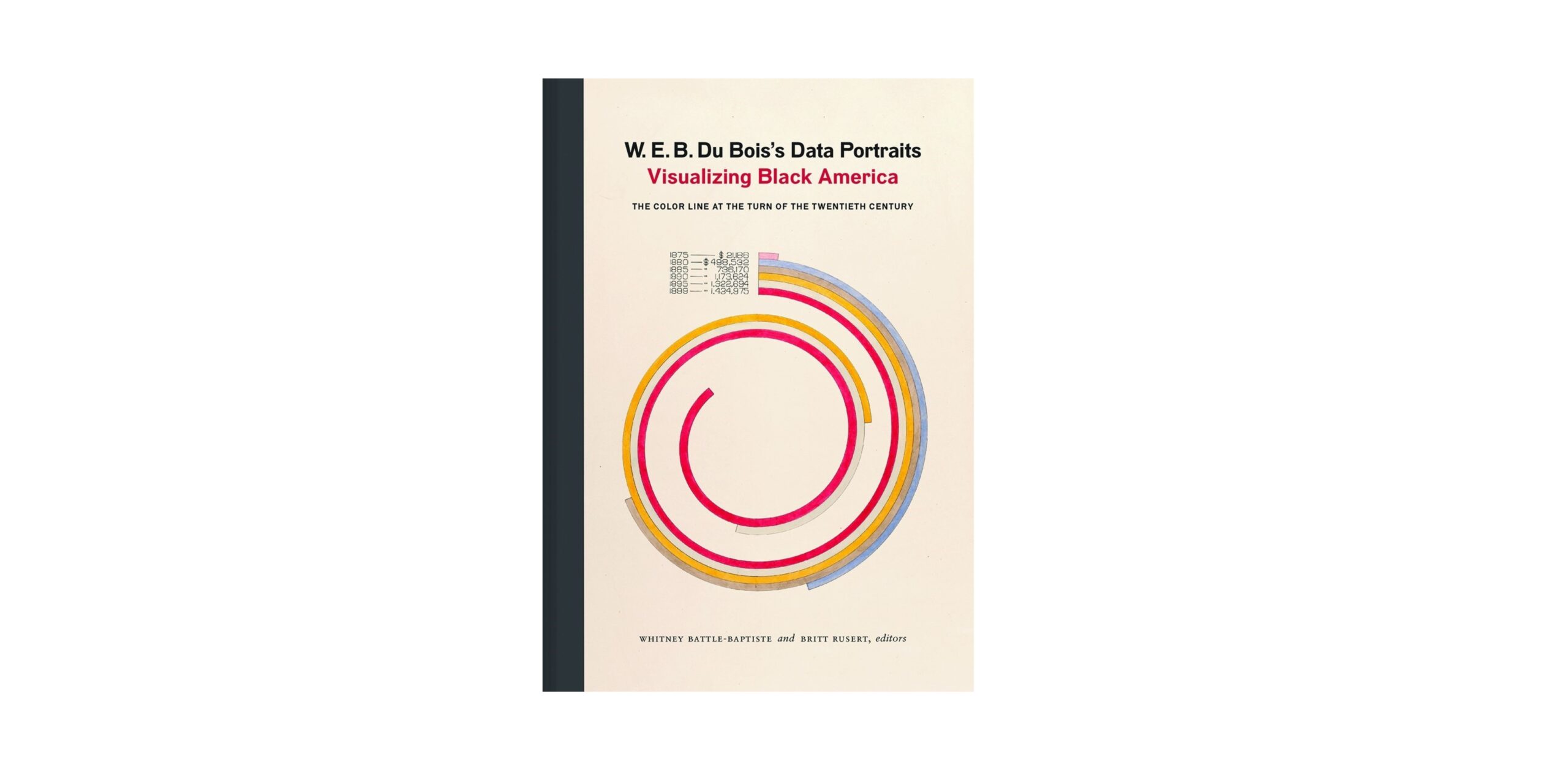
In W. E. B. Du Bois's Data Portraits: Visualizing Black America (Princeton Architectural Press, 2018), editors Whitney Battle-Baptiste and Britt Rusert brought together the first complete publication of Du Bois's groundbreaking charts, graphs, and maps presented at the 1900 Paris Exposition. A selection of Du Bois’ pioneering data visualizations are currently on display at Cooper Hewitt in the exhibition Deconstructing Power: W. E. B. Du Bois at the 1900 World’s Fair.
Join us for an evening with the editors as they discuss these data portraits through the lens of Du Bois’s life, work, and scholarship. An audience Q + A will follow.
Join us for a tour of Cooper Hewitt’s current exhibition, Deconstructing Power: W. E. B. Du Bois at the 1900 World’s Fair. This tour will offer in-depth verbal descriptions and tactile Braille reproductions of the hand-drawn data visualizations created by Du Bois and his Atlanta University students for the Fair's "Exhibit of American Negroes."
In this guided exhibition tour, visitors will explore the groundbreaking data visualizations W. E. B. Du Bois created for the 1900 Paris World’s Fair. On loan from the Library of Congress, the hand-drawn diagrams used shape, line, and color to showcase the success Black Americans had achieved despite facing pervasive racism in the United States and the global community. Tour led by Christina Dé Leon, Acting Deputy Director of Curatorial and Associate Curator of Latino Design.
Data shapes our world. W. E. B. Du Bois’ pioneering data visualizations —currently on display in the exhibition Deconstructing Power: W. E. B. Du Bois at the 1900 World’s Fair —use shape, line, and color to showcase the success Black Americans had achieved despite facing pervasive racism in the United States and the global community.
Educators, join us to discover how Du Bois and the work of other data storytellers can help our students translate complex facts and figures into powerful imagery that can help them better understand themselves and their communities. Speakers will include curator Christina L. De León and members of the museum’s Learning team.
Join us for a virtual tour of Cooper Hewitt’s current exhibition, Deconstructing Power: W. E. B. Du Bois at the 1900 World’s Fair. Co-led by curator Devon Zimmerman and Accessibility & Inclusion Manager Kirsten Sweeney, the tour will offer in-depth verbal descriptions of the hand-drawn data visualizations created by Du Bois and his Atlanta University students for the Fair's "Exhibit of American Negroes."
How can we visualize fun facts about our daily life? You will take part in polls about your everyday life and imagine creative ways to visualize the data we collect through design. Contribute to a community data wall using colorful, textured, and squishy materials. Leave with your own data design telling your story.
How can we visualize fun facts about our daily life? You will take part in polls about your everyday life and imagine creative ways to visualize the data we collect through design. Contribute to a community data wall using colorful, textured, and squishy materials. Leave with your own data design telling your story.
Deconstructing Power: W. E. B. Du Bois at the 1900 World’s Fair places decorative arts from Cooper Hewitt’s permanent collection in dialogue with 20 of W. E. B. Du Bois’ innovative data visualizations. On loan from the Library of Congress, these groundbreaking visualizations document the progress of Black Americans and life inside the veil of systemic oppression.
Join Cooper Hewitt and Smithsonian Libraries and Archives for a conversation highlighting the legacy of Du Bois’ work as a sociologist and historian, which has inspired researchers and designers across disciplines.
![A hand-drawn diagram titled [Assessed valuation of of all taxable property owned by Georgia Negroes.]](https://www.cooperhewitt.org/wp-content/uploads/2022/11/The-Georgia-Negro-Assessed-valuation-of-of-all-taxable-property-owned-by-Georgia-Negroes-150x150.jpg)
![A hand-drawn diagram titled [Land owned by Negroes in Georgia, U.S.A. 1870–1900.]](https://www.cooperhewitt.org/wp-content/uploads/2022/11/The-Georgia-Negro-Land-owned-by-Negroes-in-Georgia-U.S.A.-1870-1900.-150x150.jpg)
![A hand-drawn diagram titled [Income and expenditure of 150 Negro families in Atlanta, Ga., U.S.A] featuring a series of bar graphs.](https://www.cooperhewitt.org/wp-content/uploads/2022/11/Income-and-expenditure-of-150-Negro-families-in-Atlanta-Ga.-U.S-150x150.jpg)
![A hand-drawn diagram titled [City and rural population. 1890.] showing a red spiral line with a large number in center.](https://www.cooperhewitt.org/wp-content/uploads/2022/11/City-and-rural-population.-1890-150x150.jpg)
![A hand-drawn diagram titled [The Georgia Negro. A Social Study] maps the 400-year-history of the Atlantic slave trade.](https://www.cooperhewitt.org/wp-content/uploads/2022/11/The-Georgia-Negro-A-social-study-150x150.jpg)
![A poster titled [TROPON. L'aliment le plus concentré] with swirling lines in bright yellow, orange and purple.](https://www.cooperhewitt.org/wp-content/uploads/2022/11/2007-2-1-Matt-Flynn-150x150.jpg)