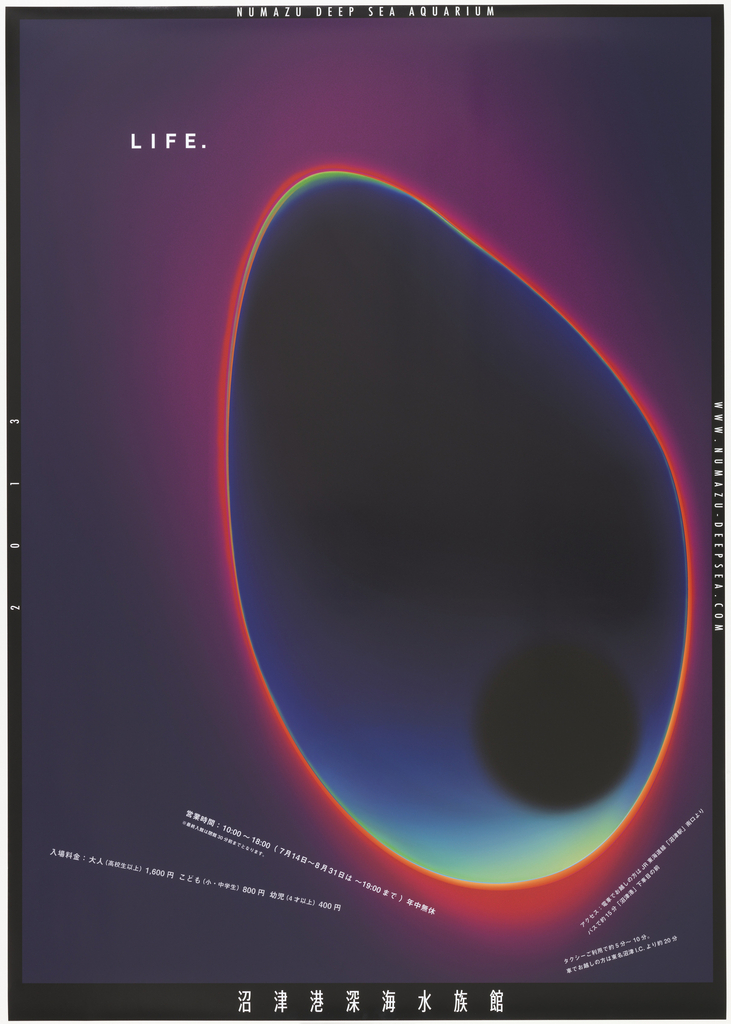
The rise of digital printing has transformed the ability of graphic designers to produce and publish their work. Inkjet printing is a technique that propels tiny droplets of ink onto the paper. Laser printing— the updated method of photocopying—uses a laser beam to train back and forth across an electron-charged drum to define the image....
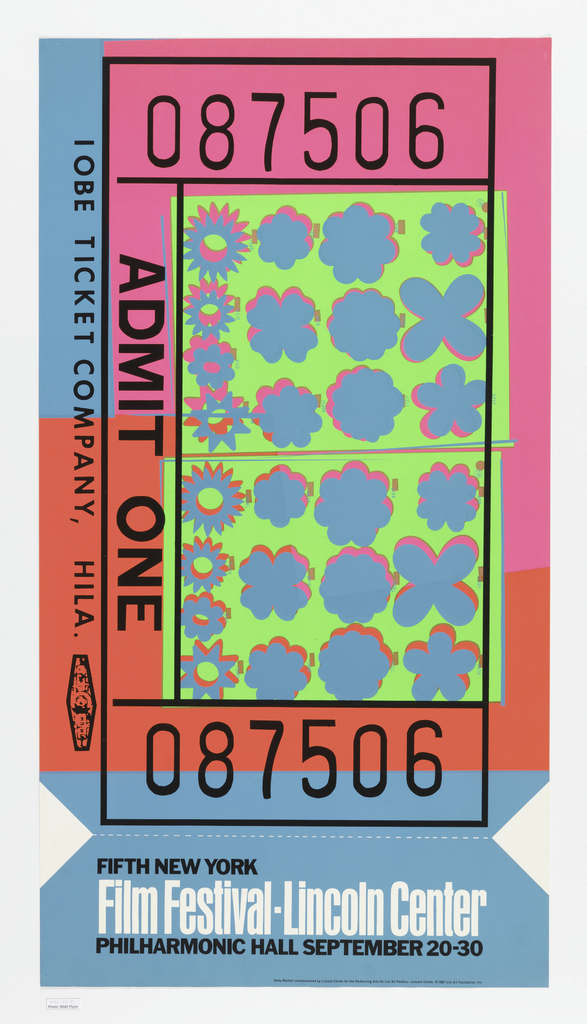
A screenprint is produced using a gauzy screen that has been stretched across a rectangular wooden frame. Ink is spread across the top portion of the screen by the printer, who then pulls the ink towards them with a rubber blade commonly known as a squeegee. The pressure forces the ink through the screen and...
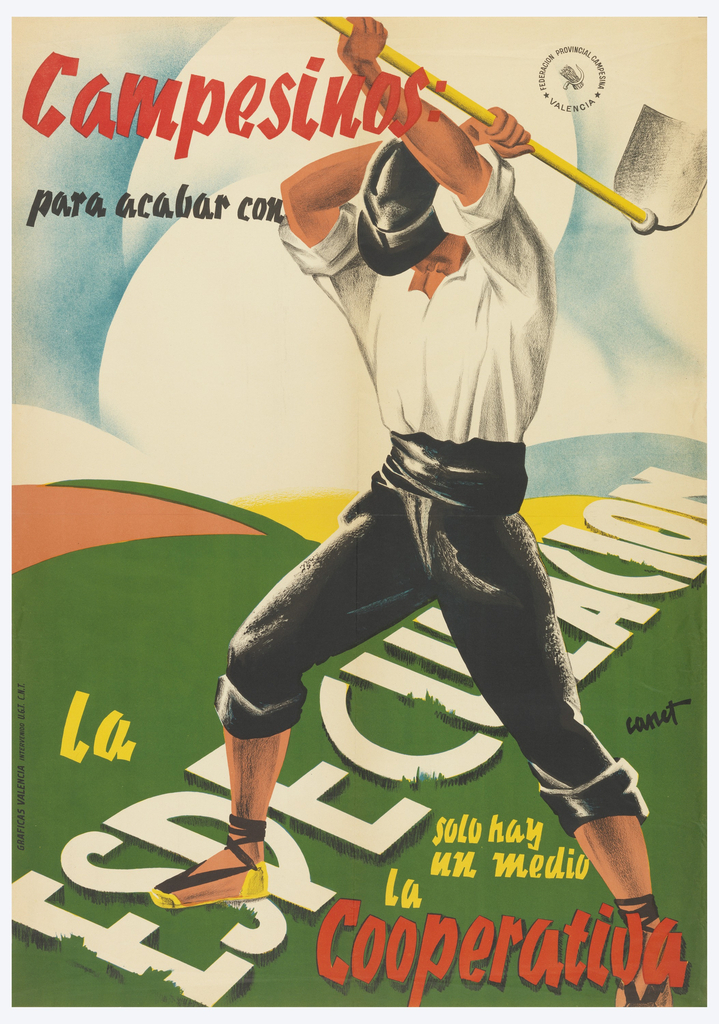
Around the turn of the twentieth century, the new process of offset lithography emerged within the commercial printing industry. “Offset” refers to the process of transferring ink from a flexible matrix to a rubber cylinder, which then transfers the image to the paper. Offset printing replaced heavy stones with light, flexible plates and automated the...
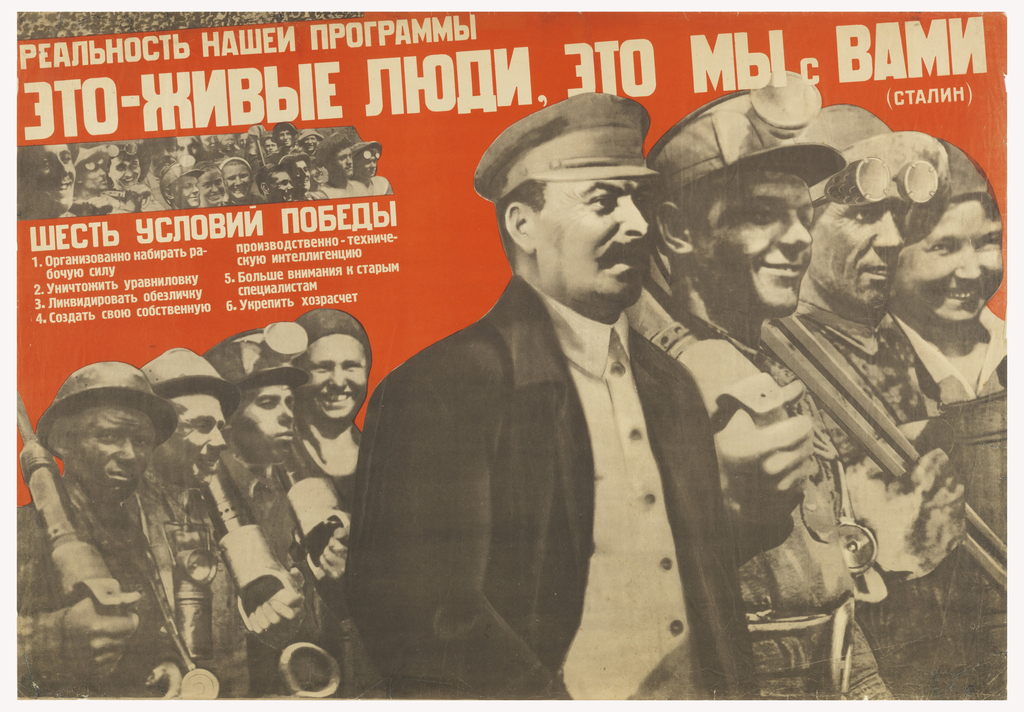
Although photography was invented in 1839, its impact on poster design remained relatively minor until the late nineteenth century, as traditional lithography and letterpress are incapable of reproducing shades of gray. A sea change in poster design arrived with the advent of the halftone process, which emerged fully in the 1880s. Halftone mimics the appearance...
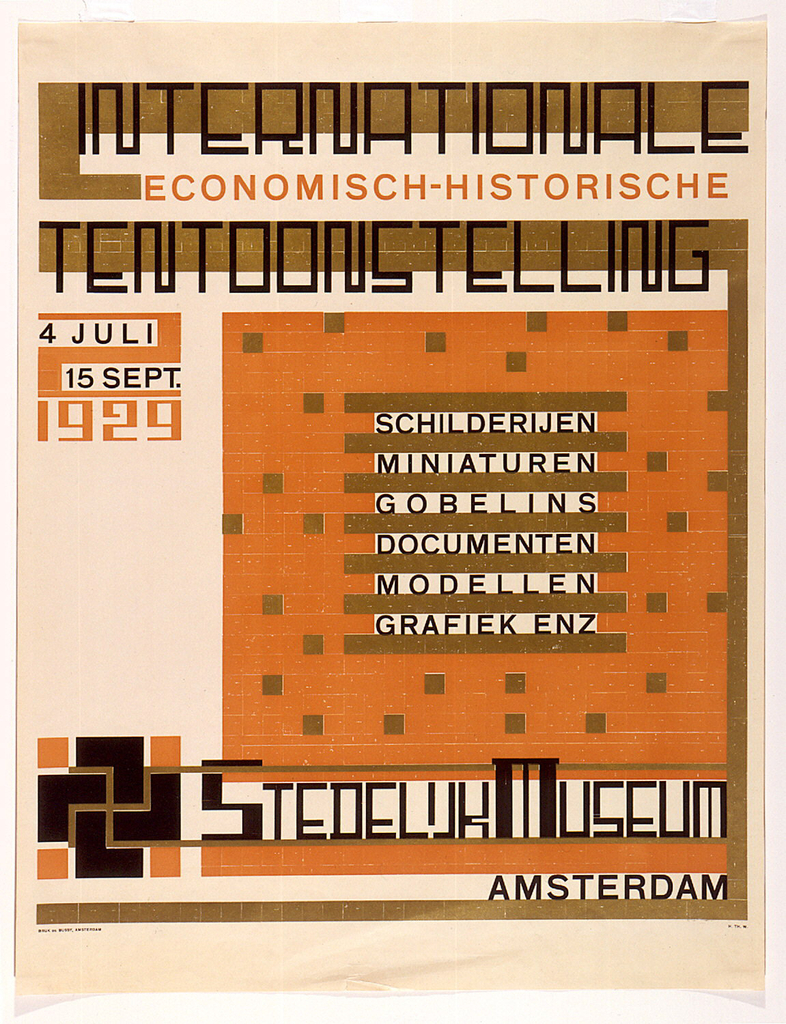
Letterpress, introduced in the fifteenth century, employs individual elements of wood or lead cut into letterforms, rules, and ornaments and pieced together to form a composition. Held together in a rectangular frame known as a chase, the elements that receive the ink are raised above the rest of the surface. When ink is applied, it...
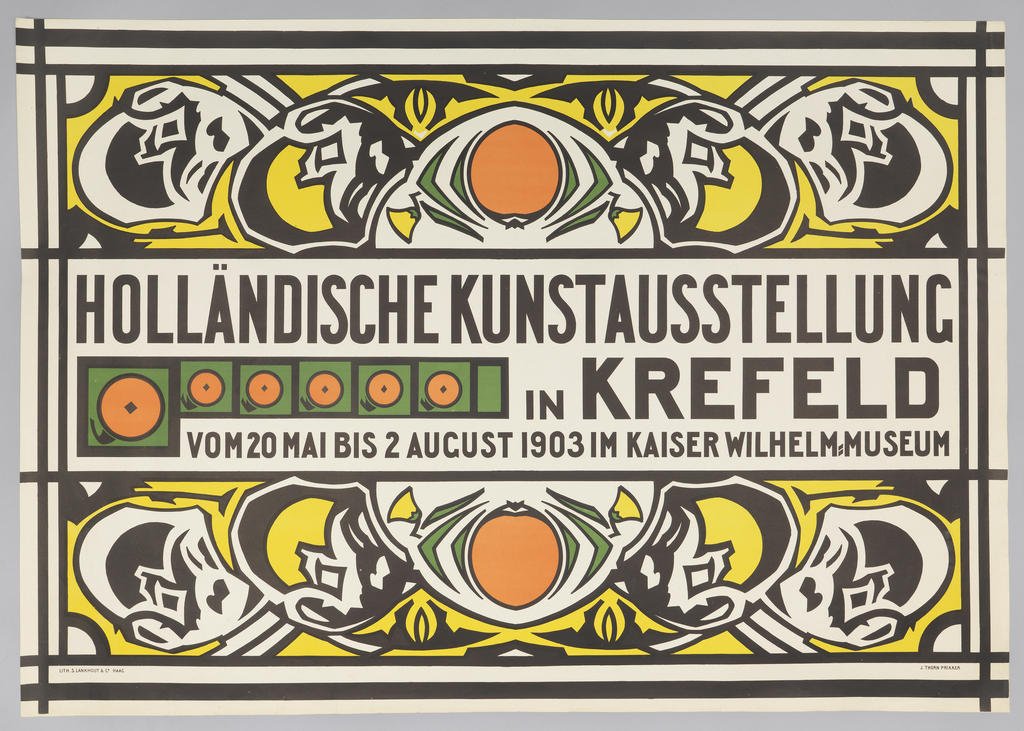
Posters are all around us. We see them on the street, in the subway, tacked to bulletin boards in schools and coffee shops, and hanging on the walls of theaters and concert venues. And we see them online, collected or disseminated on social media. But how are posters made? For the next few days, that’s the...
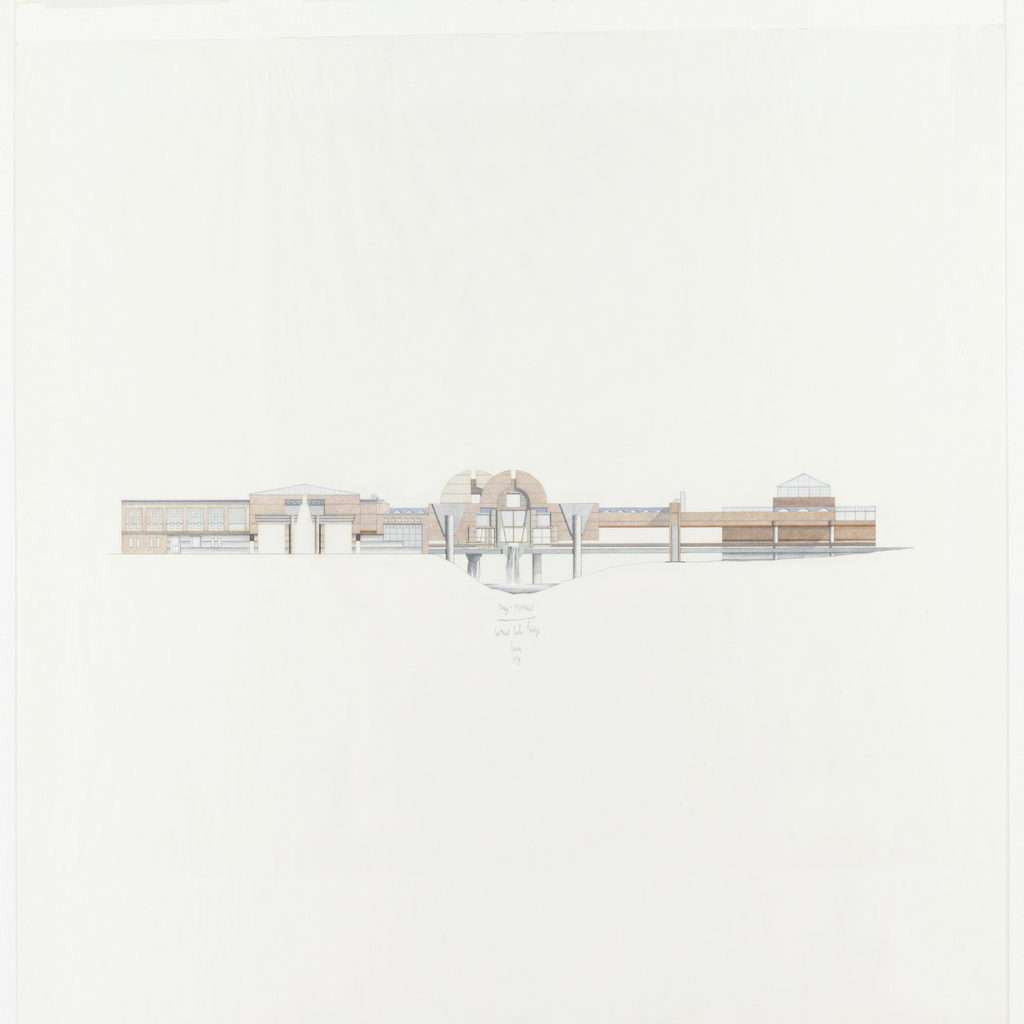
The architect Michael Graves, who died last week at the age of 80, was passionate and insistent about the importance of drawing in architectural practice. Over the course of his career, the use of computer-aided design software became ubiquitous among generations of architects, but Graves remained steadfast in his belief that drawing by hand was...
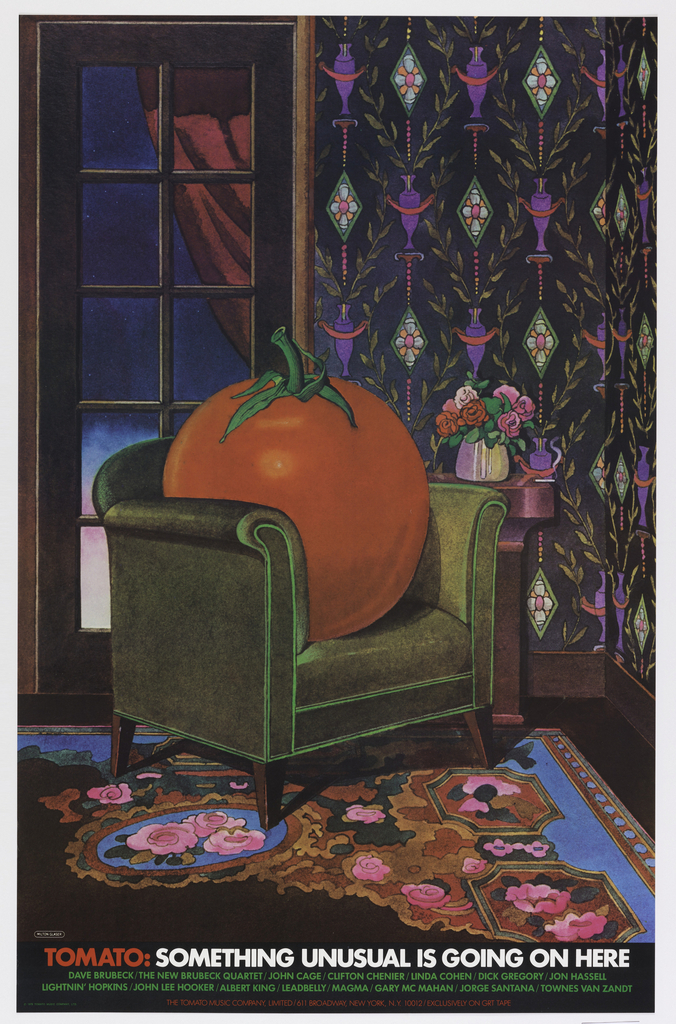
When graphic designer Milton Glaser began designing for Kevin Eggers’ record company in the 1960s, it was called Poppy Records. By 1978, the company had changed names several times, morphing into Utopia, then Atlantic Deluxe, and finally, Tomato Music Company. (It later became known as Tomato Records). The independent label featured an eclectic group of artists,...
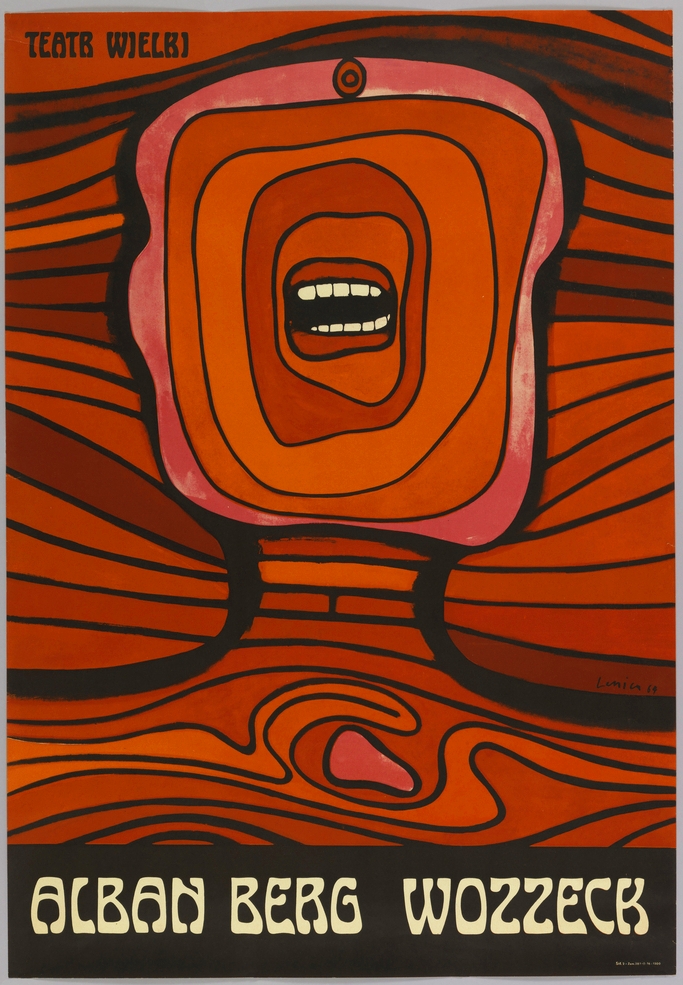
This gut wrenching poster, designed by the Polish graphic designer Jan Lenica, was produced to advertise the Polish National Opera’s 1964 production of Alban Berg’s avant-garde opera Wozzeck in Warsaw. An icon of Polish graphic design, the poster was awarded a Gold Medal at the 1966 Warsaw International Poster Biennale, and is Lenica’s best known...
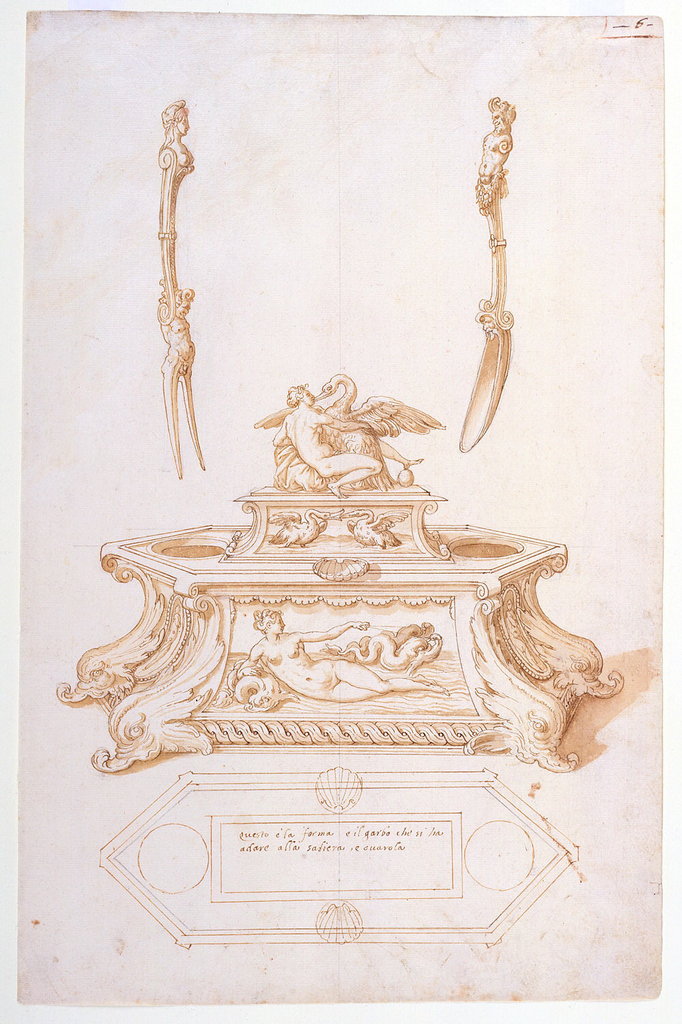
Poached, fried, boiled, or roasted, eggs were an important part of the Italian Renaissance diet. In the sixteenth century, Italian chefs Bartolomeo Scappi and Cristoforo da Messisbugo each published cookbooks that detailed recipes and techniques for preparing banquets, and eggs were often on the menu. One of Scappi’s reoccurring recipes was for uovo da bere, or...
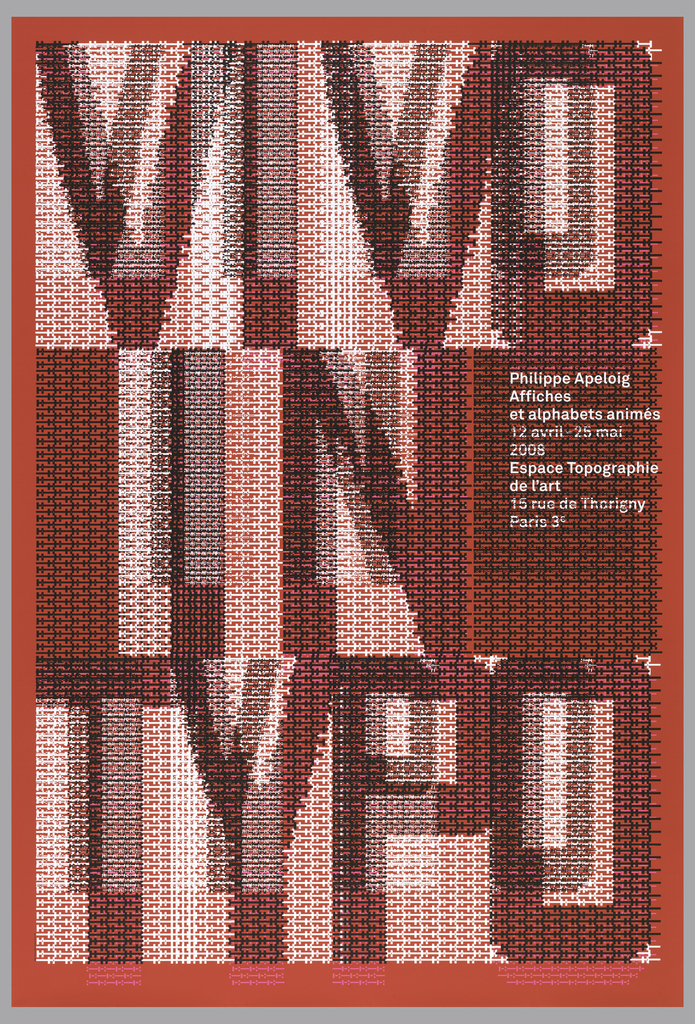
When graphic designer Philippe Apeloig featured his own poster designs at the Espace Topographie de l’art in Paris, he chose the title Vivo in Typo for the exhibition, and decided to make the title the graphic focus of his promotional poster. Apeloig concieved of an image comprised entirely of typography. He began by sketching punctuation marks...
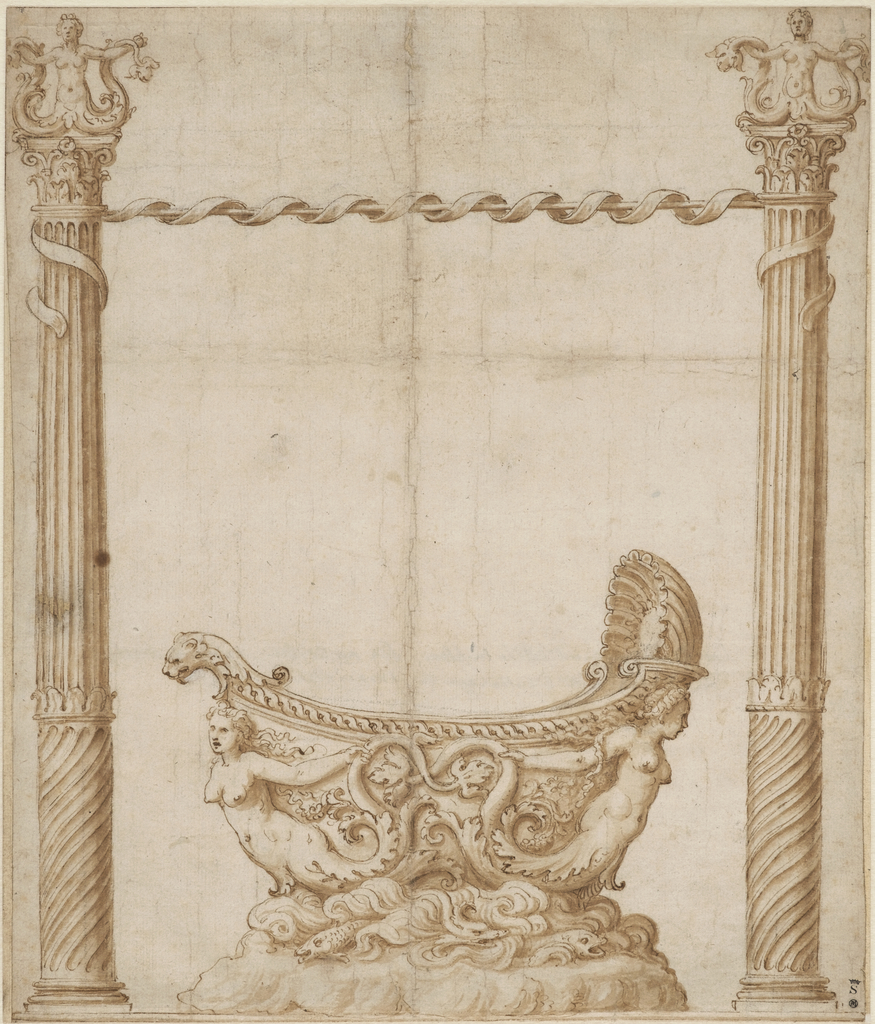
As the artist for the ducal court at Mantua in the early sixteenth century, Giulio Romano designed everything from architecture and stage sets to fresco programs and metalwork. But the purpose of this drawing remains a mystery. It features a vessel in the shape of a ship, supported by two mermaids, who rise up from...
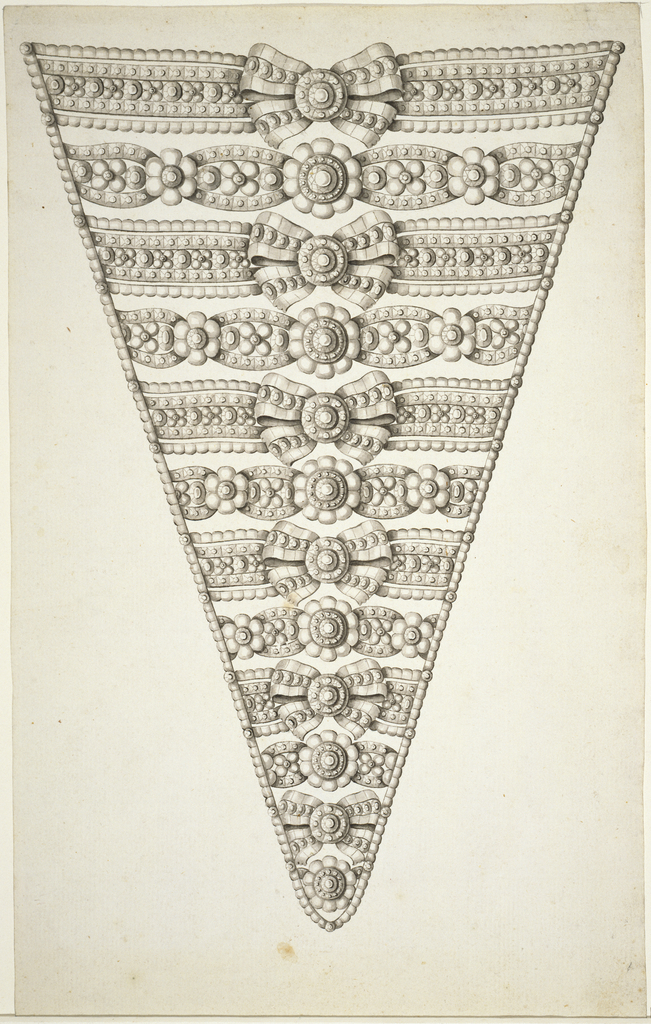
When the Hewitt sisters founded the Cooper Union Museum in 1897, they sought to provide a rich visual resource for students who were destined to become architects and designers. As they assembled the works of art and design that would enter the museum’s collection, the sisters recognized that drawings offered unique opportunities to learn how...
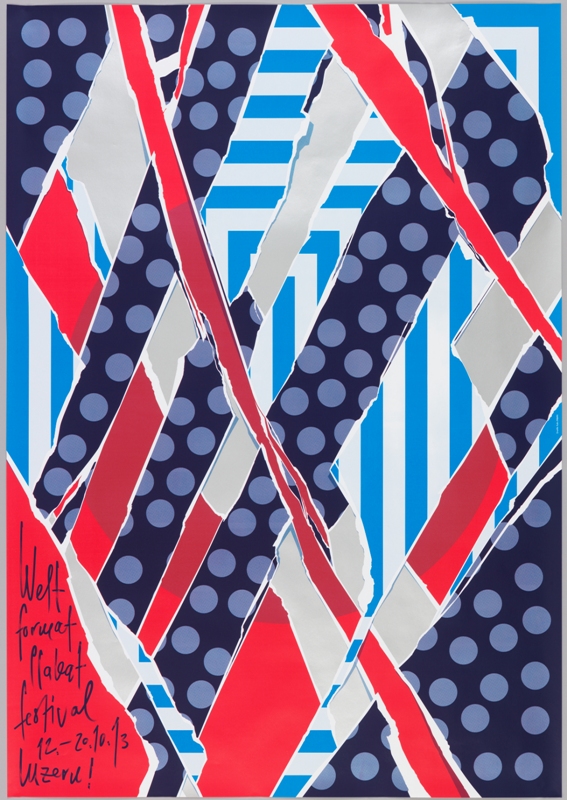
When Swiss graphic designer Felix Pfäffli was asked to design a poster for the 2013 Weltformat Poster Festival held in Lucerne, he grappled with the “strange duplication” of creating a poster to promote a poster exhibition. He turned to the many posters hung on steel poster walls in the streets for his inspiration. As posters...
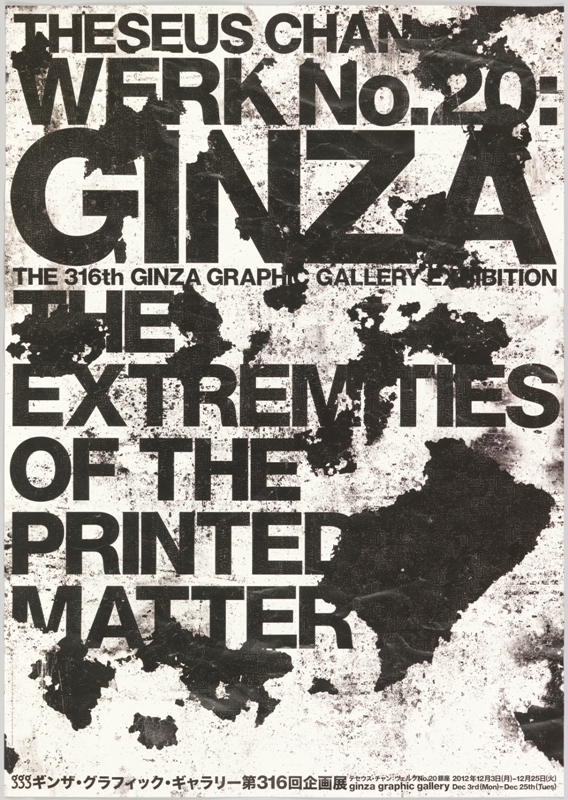
After a decade in mainstream advertising, Singaporean designer Theseus Chan founded the independent consulting firm WORK in 1997. Three years later, he created a sibling publication, Werk magazine. Frustrated by the aesthetic tedium and reserve he perceived at larger ad agencies, Chan used these new ventures to foster innovative design. With WORK, he has devised...
