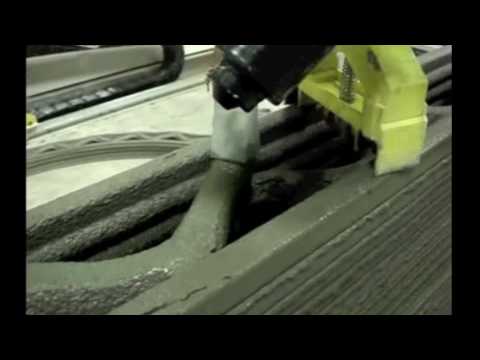
Why? Contour Crafting is a construction technology that potentially reduces energy use and emissions by using a rapid-prototype or 3-D printing process to fabricate large components. Comprised of robotic arms and extrusion nozzles, a computer-controlled gantry system moves the nozzle back and forth, squeezing out layers of concrete or other material to fabricate a form....
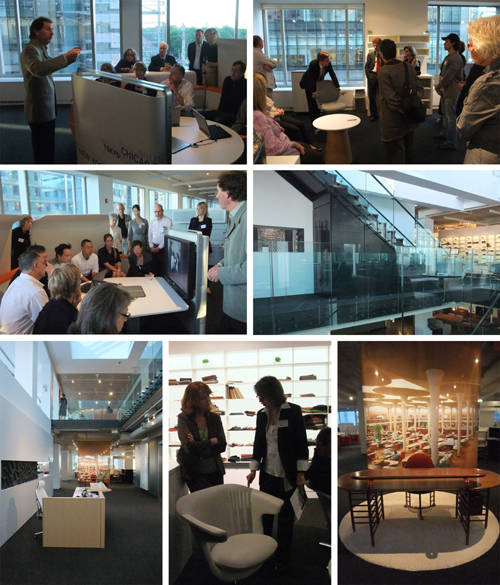
Cooper-Hewitt’s Design Watch Members visited Steelcase for a private tour of the showroom and sunset reception on the terrace overlooking Columbus Circle. Lew Epstein presented the trends behind media:space, the convergence of furniture and technology, changing the way we think of work spaces as collaborative “destinations”. Members also previewed the Cobi chair, featured in the...
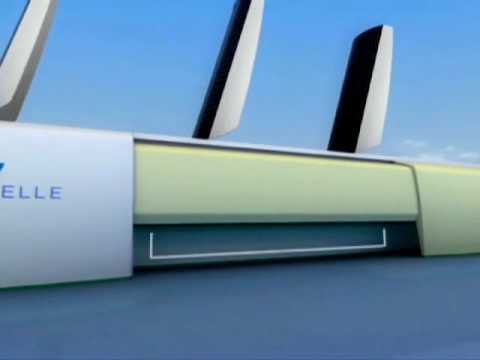
Why? Oceangoing ships present significant health, pollution, and efficiency challenges. The concept vessel E/S Orcelle is designed to be propelled without oil. Made of lightweight materials, it relies on energy sources obtained at sea—solar energy collected through photovoltaic panels in the sails, wind energy obtained through propulsion sails, and wave energy from fins, which can...
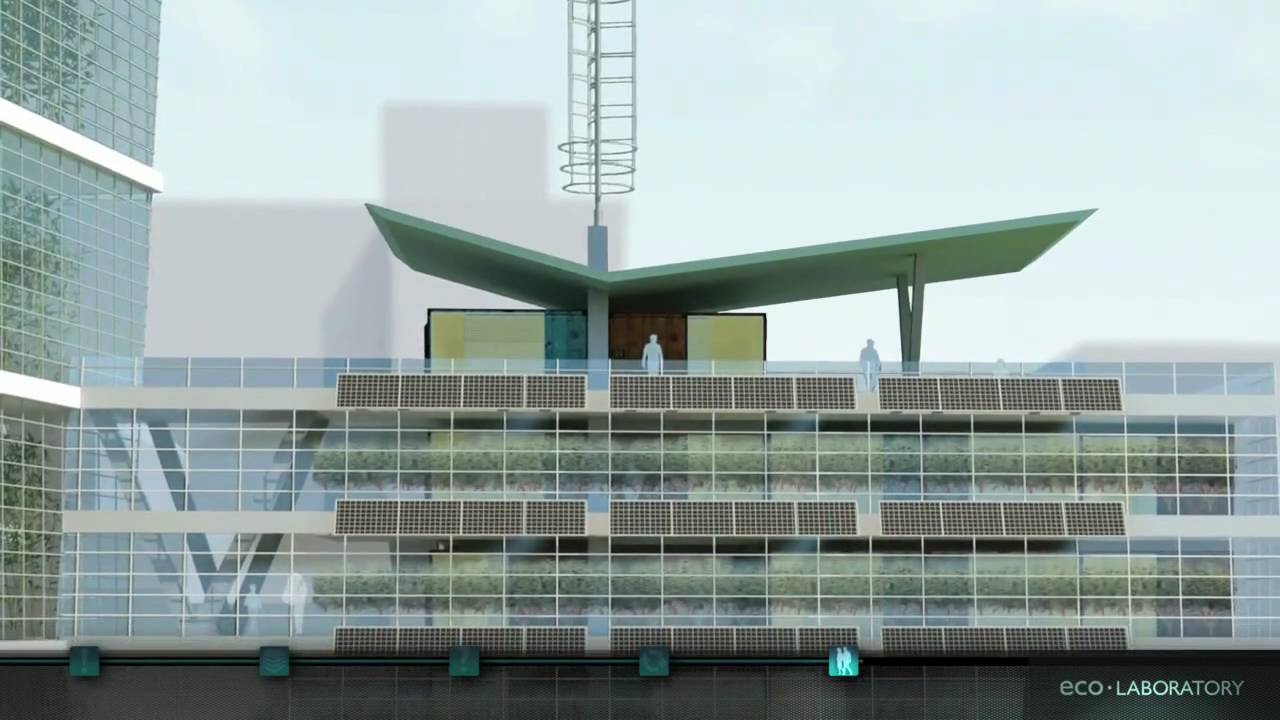
Why? Vertical farming is a new approach to fresh-food distribution that provides urban centers with healthy food grown within the controlled environment of a multistory building. Eco-Laboratory successfully merges a neighborhood market, dwelling units, a vocational training facility, and a sustainability educational center for the public into a financially viable downtown residential development.
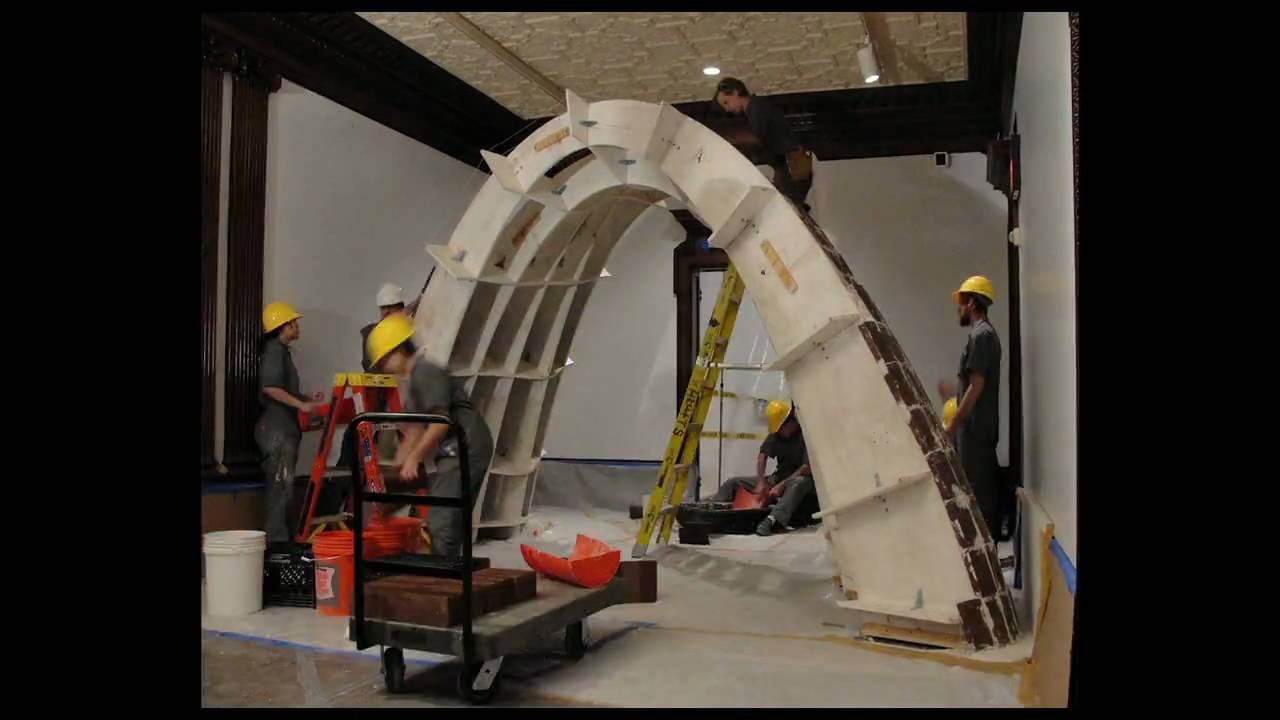
Why? Preindustrial construction methods can provide fundamental lessons about sustainable design and environmental impact today. In this site-specific installation, thin tile vaults stretching across large spaces without formwork is part of a 700-year-old construction method that is energy-efficient, utilizes local materials, and achieves high structural strength. All of these factors have important applications in the...
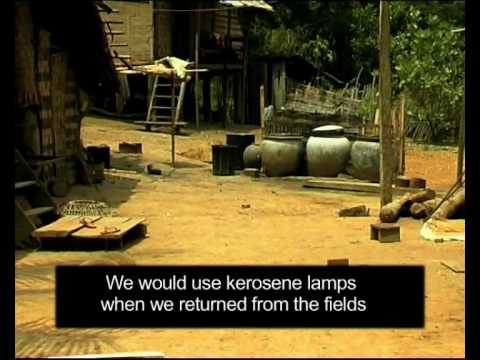
Why? In most rural areas of the developing world, people rely on fuels such as kerosene that are dangerous and pose serious health problems. The Solar-Rechargeable lamp is both a safe, electrical lighting alternative and it reduces greenhouse gases. It is also a service-oriented solution for rural electrification: villagers rent these portable, rechargeable lanterns from...
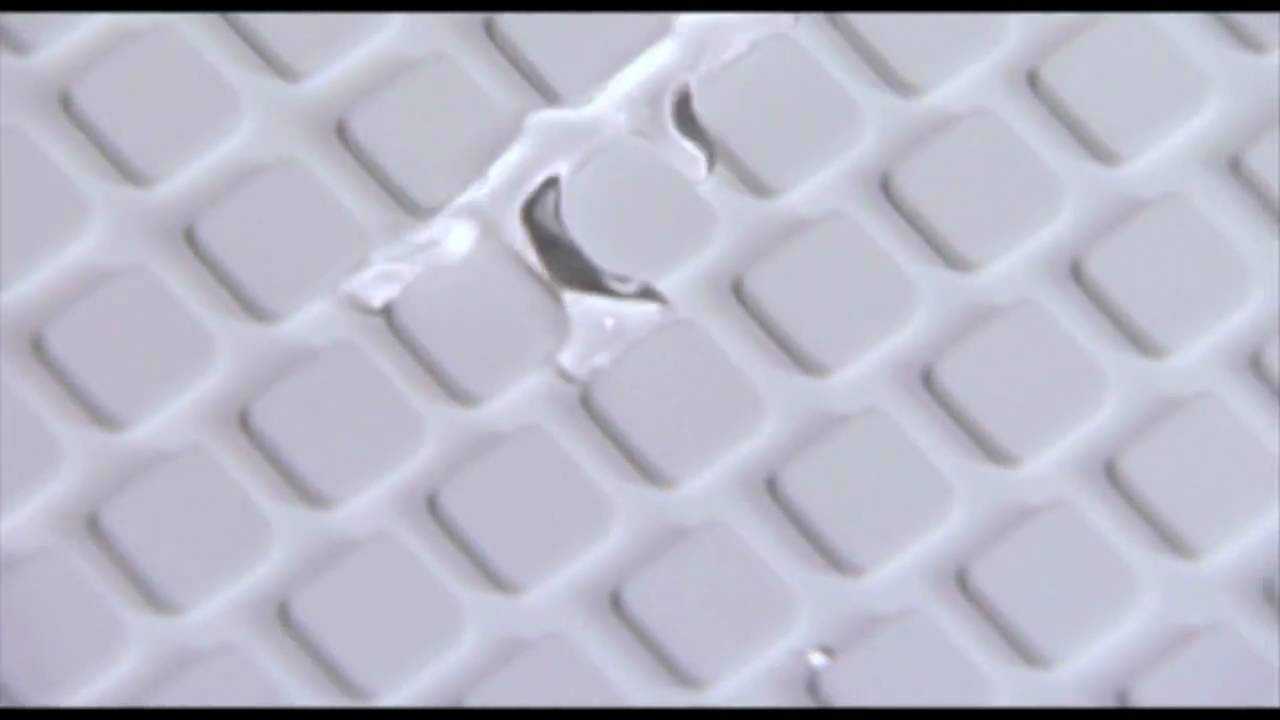
Why? Water, the medium of life, has myriad manifestations. Furumai, meaning behavior or dance in Japanese, was an installation created for the Water exhibition at 21_21 Design Sight in Tokyo in 2007. The project consisted of paper plates treated selectively with an invisible water-repellent coating. As visitors interacted with the plates, beads of water danced...
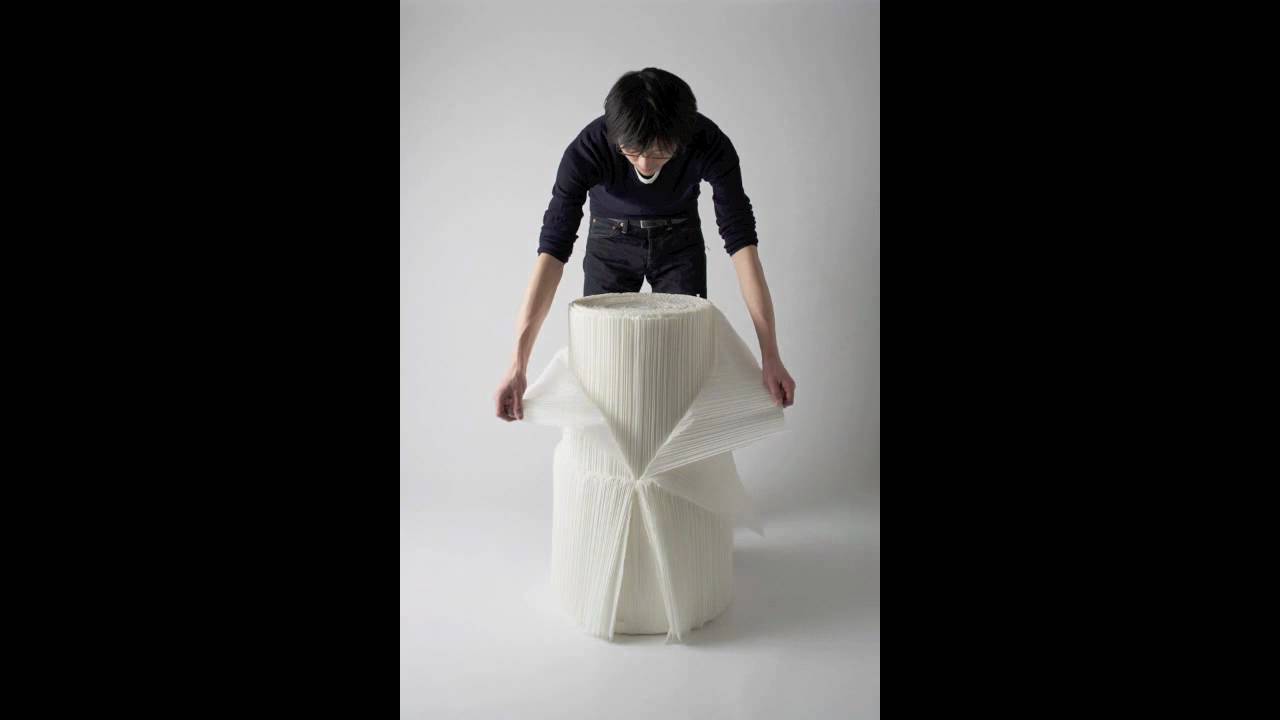
Why? Made from reclaimed materials, the Cabbage chair is a compact roll of paper that the user opens up and peels back, layer by layer, to create a soft enclosure for the body, requiring no finishing, assembly, or hardware. Resins added to the paper during the production process give it strength and memory, while the...
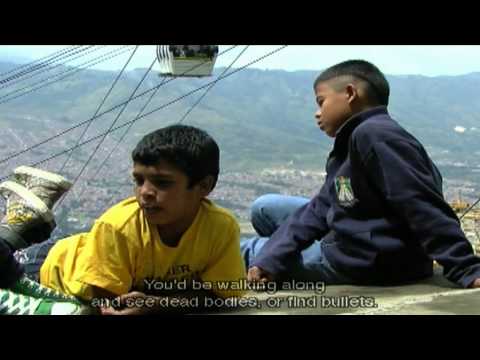
Why? A team of architects and urban planners, social workers and citizens has transformed Medellín, Colombia, from the most violent city in the world into a community whose architecture carries a powerful message of social inclusion. Public buildings, parks, libraries, schools, and museums were inserted in the most desperate neighborhoods to provide crucial public services....
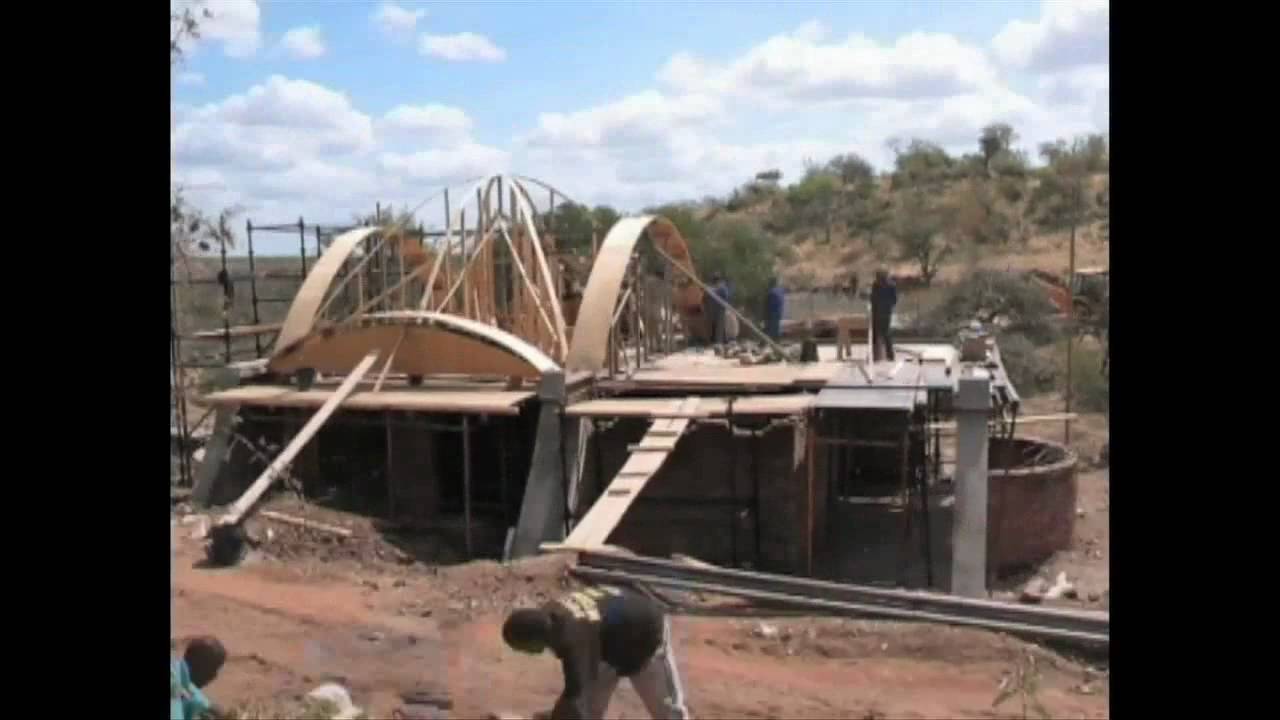
Why? Preindustrial construction methods can provide fundamental lessons about sustainable design and environmental impact today. In this site-specific installation, thin tile vaults stretching across large spaces without formwork is part of a 700-year-old construction method that is energy-efficient, utilizes local materials, and achieves high structural strength. All of these factors have important applications in the...
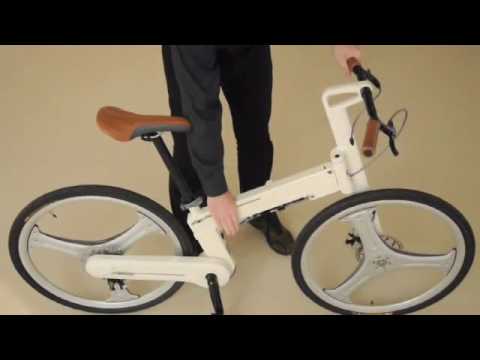
Why? Most folding bicycles are heavy and difficult to collapse. Conceived as portable luggage, the IF Mode is made of lightweight materials and eliminates oily chains, complex tubes, hidden dirt traps, and much of the clutter of conventional bicycles. As mobility systems become more interconnected, portable, folding designs like this will facilitate transfers between different...
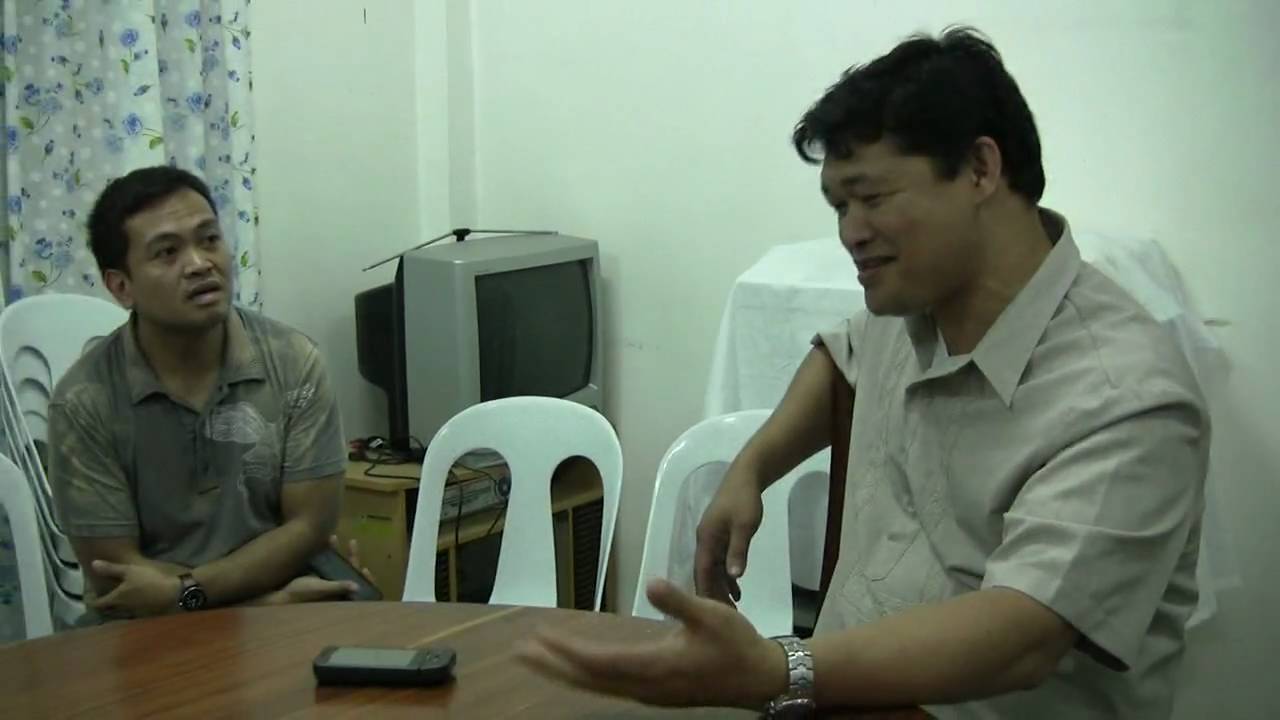
Why? Another billion people, mostly in the developing world, will acquire access to cell phones in the next three years, unleashing a revolution in communications. The Next Billion Network partners students and local organizations to create mobile technologies for this population, expanding opportunities for self-reliance. For example, Mobile Care enables cell phones to become medical...
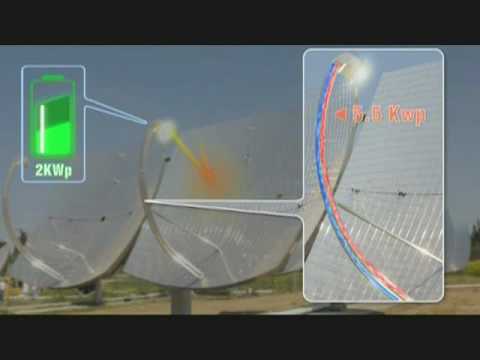
Why? This solar technology is distinguished by its use of mirrors to capture light and focus it onto a small generator to produce electricity and thermal energy. The parabolic optical dish follows the sun from dawn until dusk, harnessing seventy percent of the solar energy that hits it, making it much more efficient than conventional...
Why? In the Story of Stuff video, environmental activist Annie Leonard explains how products affect human society and the natural world as they make their way through the cycle of material extraction, manufacturing, consumption, and disposal. Free Range Studios worked with Leonard to create a compact, punchy script around simple, active stories, and iconic characters.
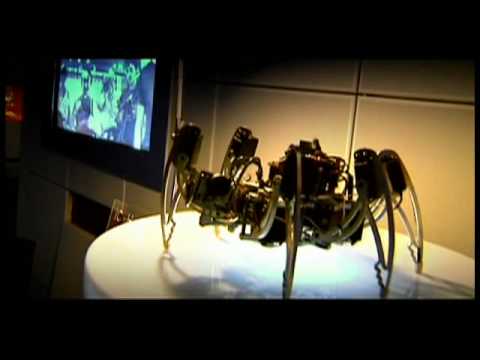
Why? This device reduces the load and stress on the lower body, reducing fatigue and injuries and enabling a broader range of activities among the elderly as well as workers who spend extended periods of time on their feet, climbing or descending stairs, or maintaining semi-crouched positions. Weighing less than fifteen pounds, the device supports...
