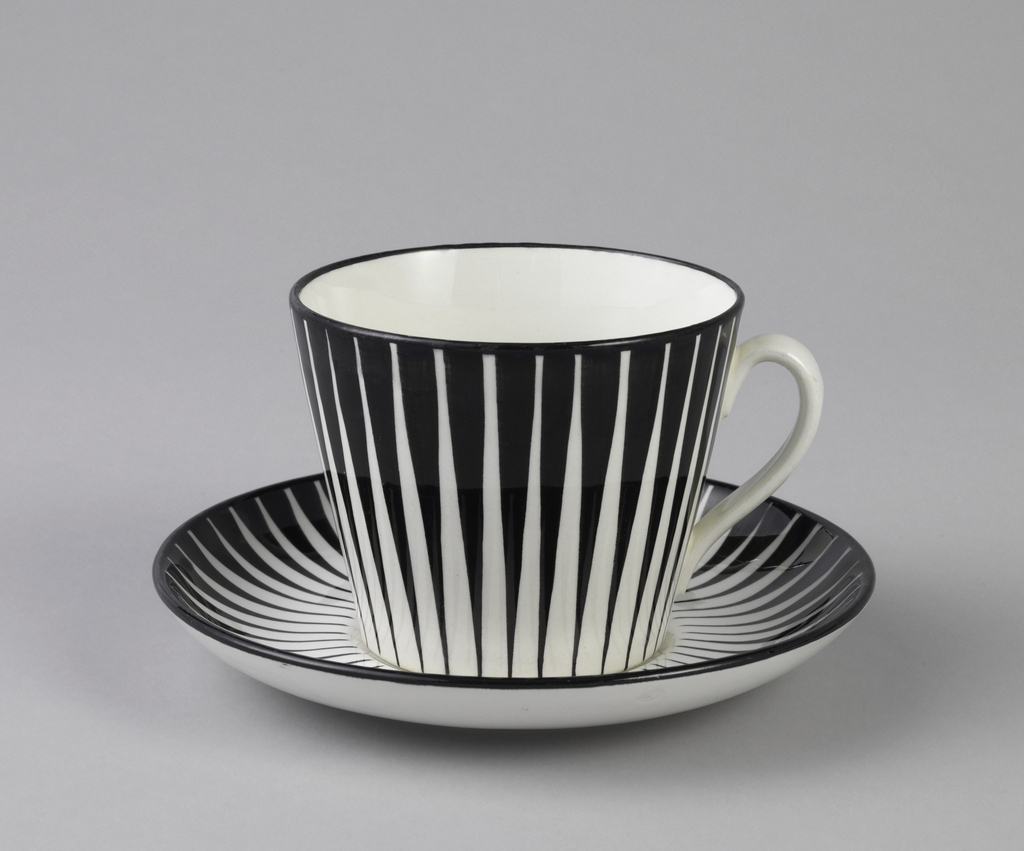
In calculated contrast, sharp black wedges streak mathematically across a white ground. The black and white stripes that line Eugen Trost’s Zebra cup and saucer accentuate its tapered, circular form just as cleanly as they denote the wild zebra, from which it takes its name. These stripes, however, are hand painted. The Gefle Porcelinsfabrik in...
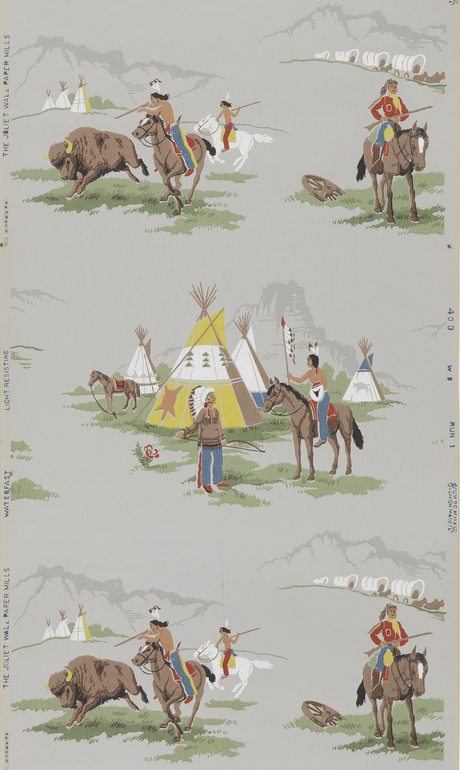
Cowboys and Indians – that quintessential childhood game of midcentury suburbia – is here turned into a wallpaper destined for the rooms of young boys learning how to adhere to the famously rigid gender roles of the 1950s. Three little vignettes are machine printed in shades of yellow, green, red, brown and blue on a...
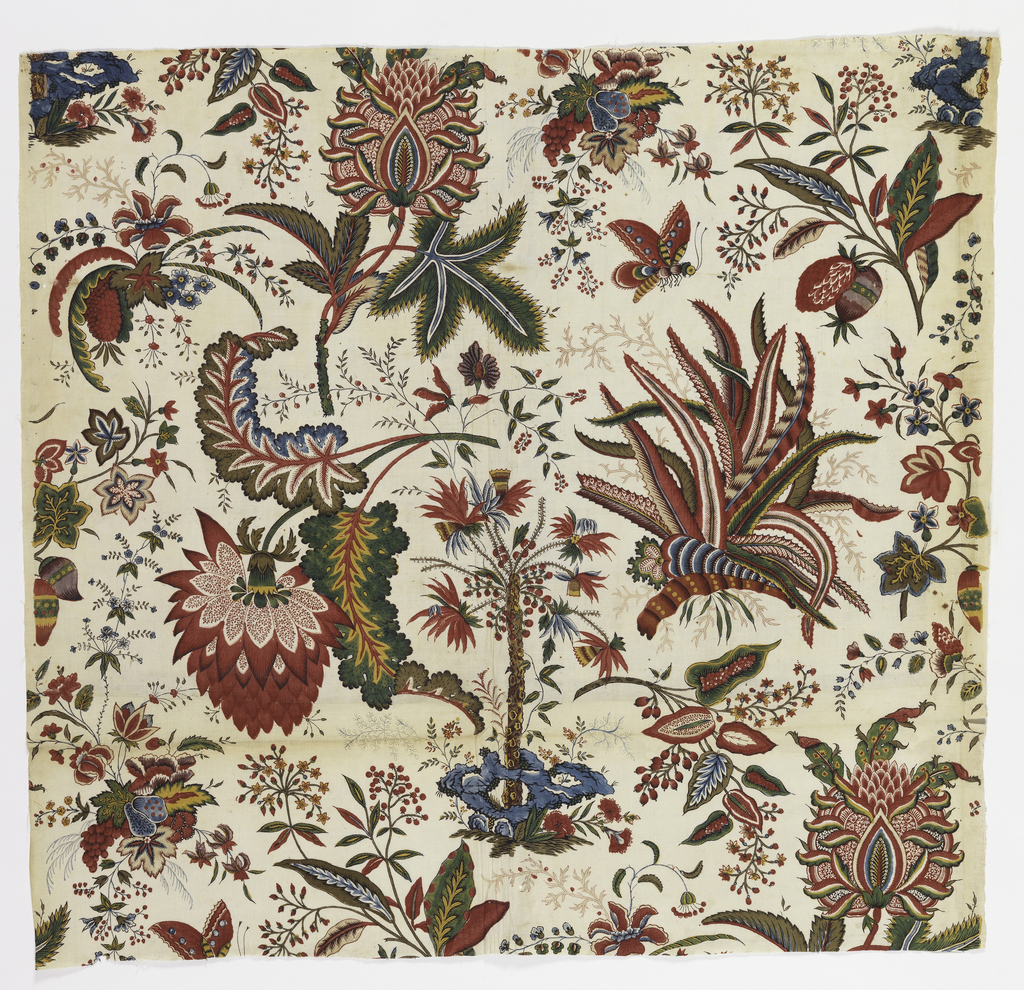
During a routine trade trip to Pondicherry India in 1735, French naval officer Antoine de Beaulieu was both enamored and mystified by the Indians’ techniques for dyeing cloth. He endeavored to meticulously record each of the eleven distinct steps, including a sample of fabric at every stage of the process. His book was published in...
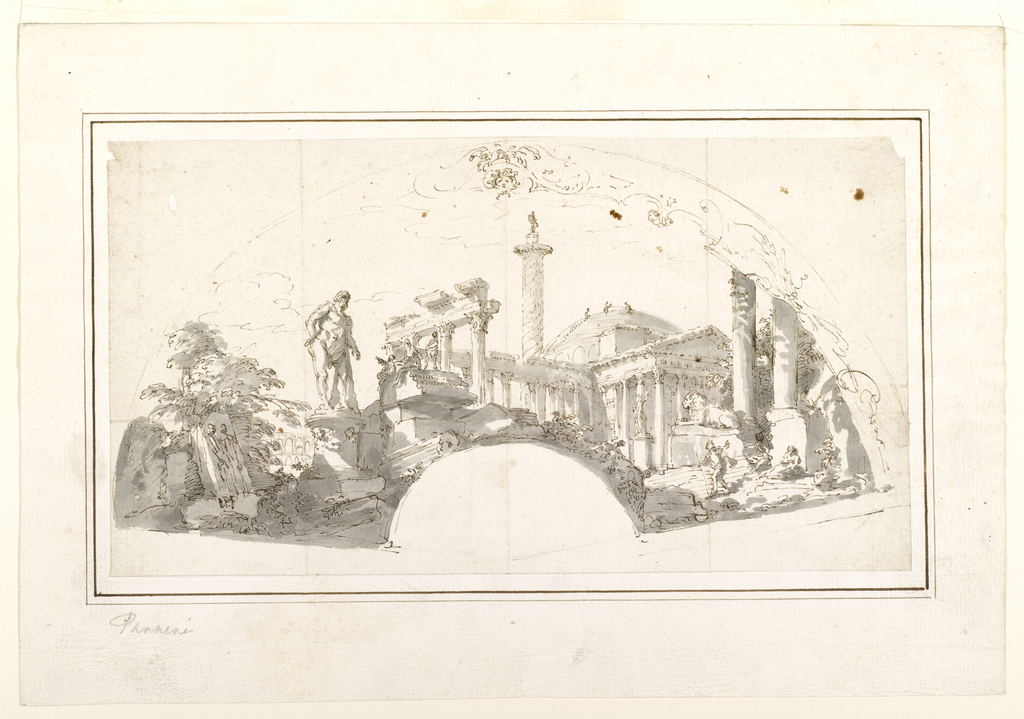
From the eighteenth century, painted fans were one of the most popular souvenirs for any grand tourist visiting Italy. In this period, fans were part of the complex network of courtly behavior and aristocratic social codes, and they were also indispensable elements for coquetry. Such fans were made with a variety of materials such as...
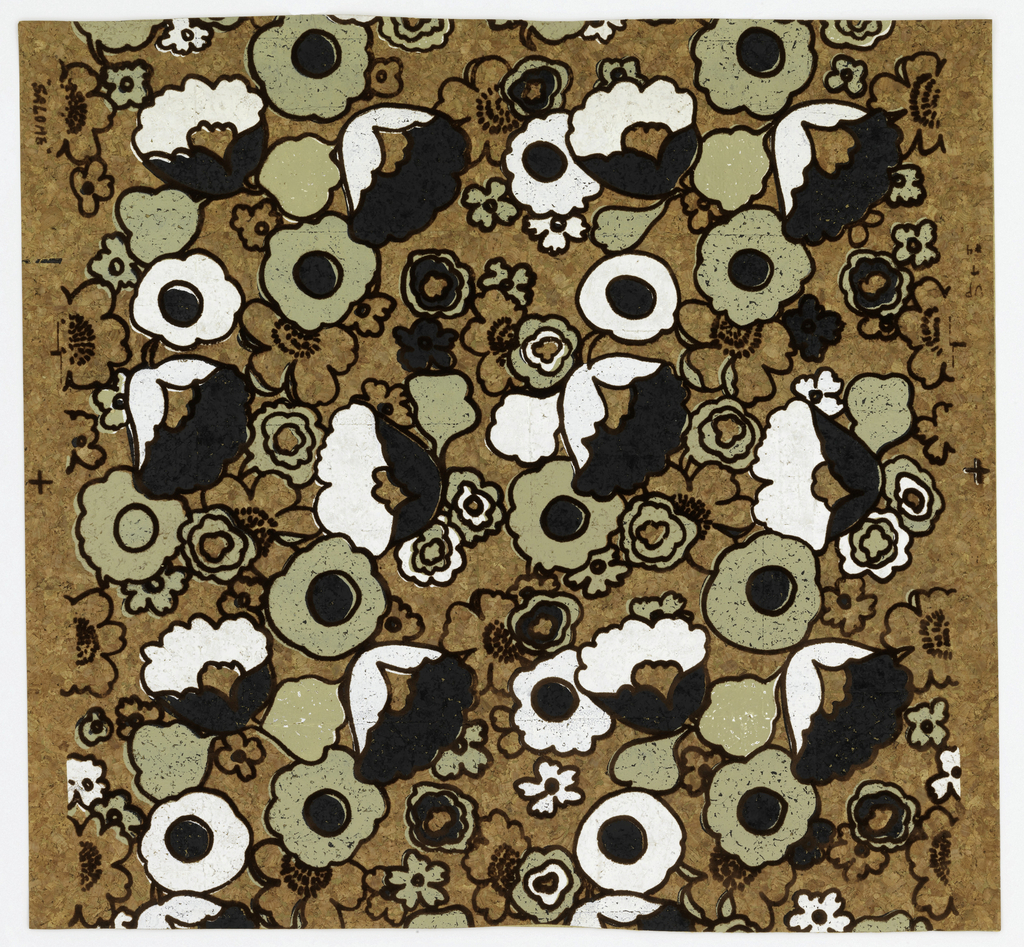
Entitled “Salome,” this unusual wallcovering was manufactured c.1967 by Bob Mitchell Designs and the pattern was created by the man himself. The design was much appreciated when it was originally produced, and was featured in a collection of the best of California Design curated by the Pasadena Art Museum in 1968. The pop-art inspired floral...
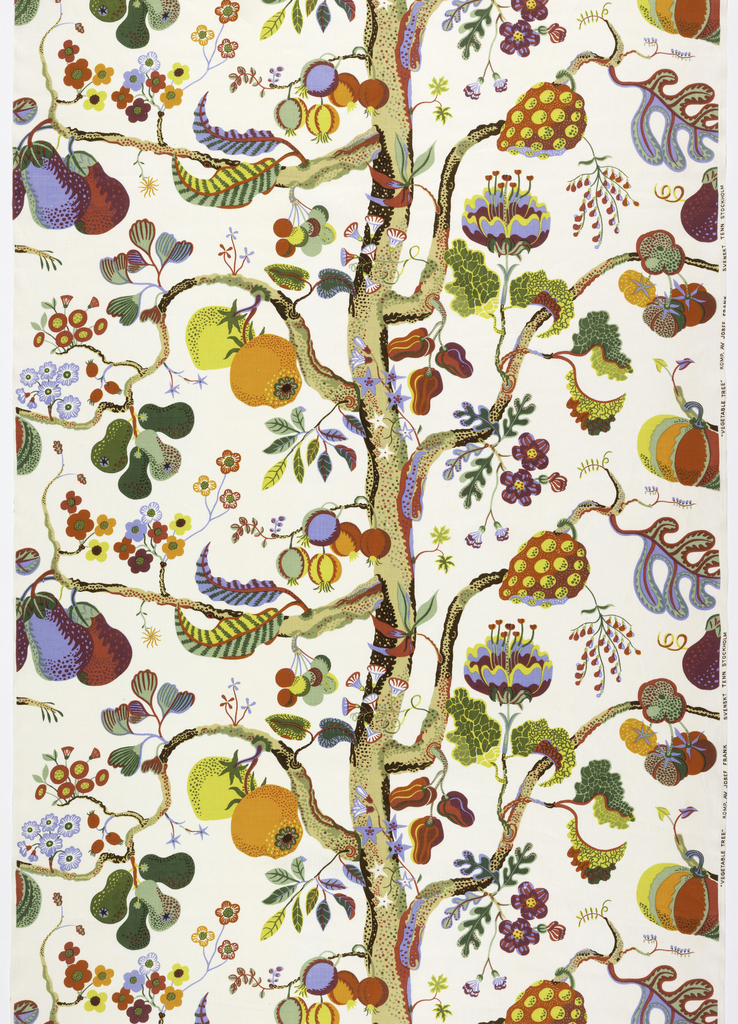
It is the end of another year and there’s been many changes at Cooper Hewitt. We’ve installed new galleries and one part of the new infrastructure are new interactive experiences through which to explore our collection as it gets digitized. As collections become available through these new interfaces, the objects that people explore or want...
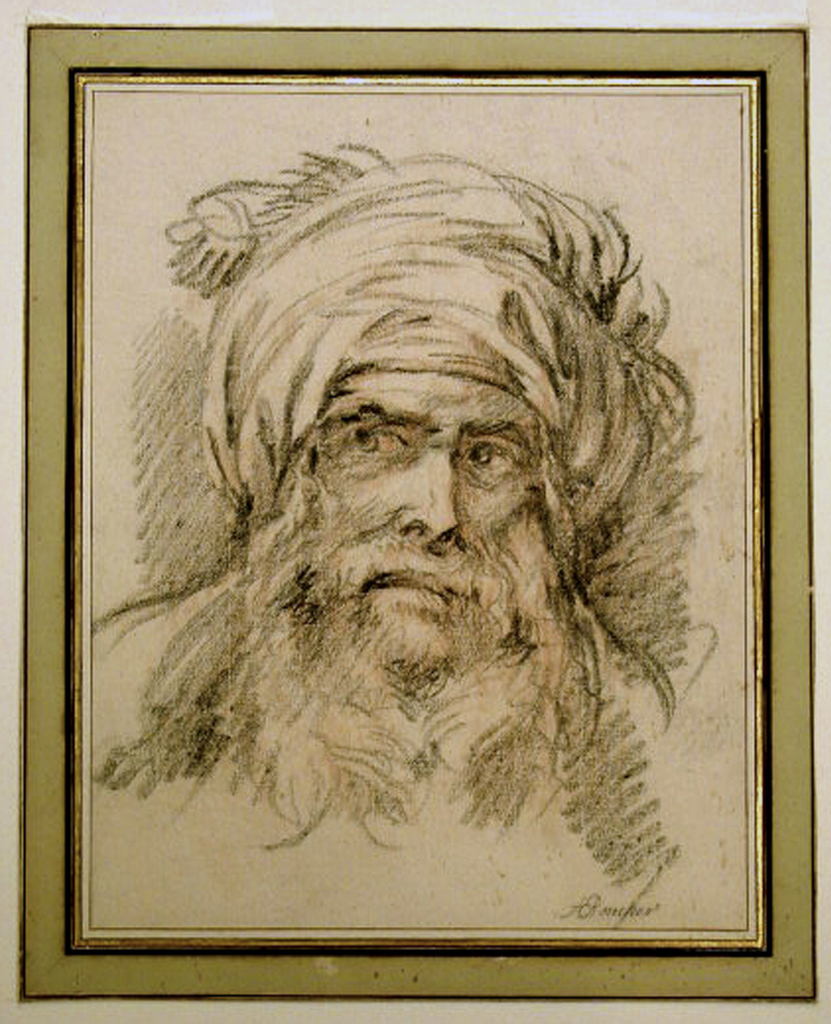
This study by the prolific French artist, François Boucher, offers a rich insight into the practice of collecting drawings in eighteenth-century France. The head of the turbaned man is sketched with black and red chalk, with the white of the paper used as a third shade. The sheet features the annotation, “Boucher” in the lower right...
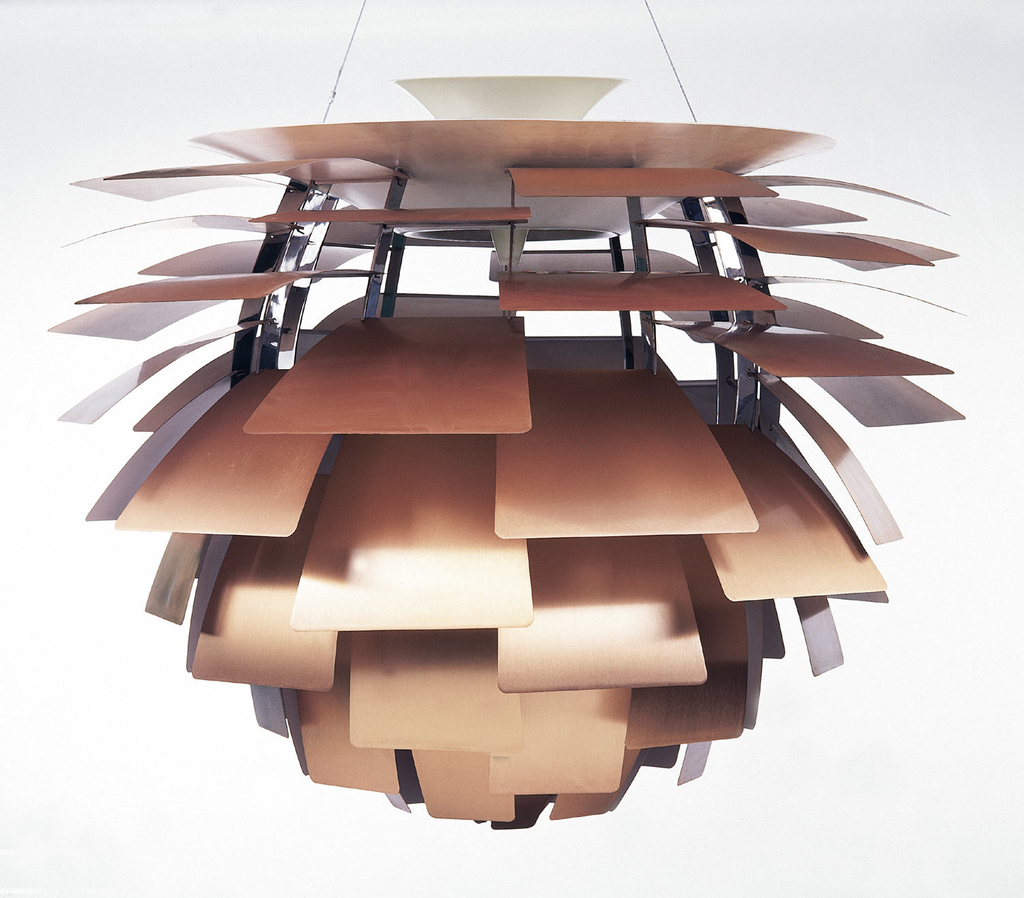
Poul Henningsen’s childhood was illuminated by the glow of gas lamps. When electricity arrived in his small Danish hometown and left his neighbor’s windows ablaze with the stark glare of electric light bulbs, Henningsen began to grapple with a design quandary that would come to define his entire career. He was determined to calm the...
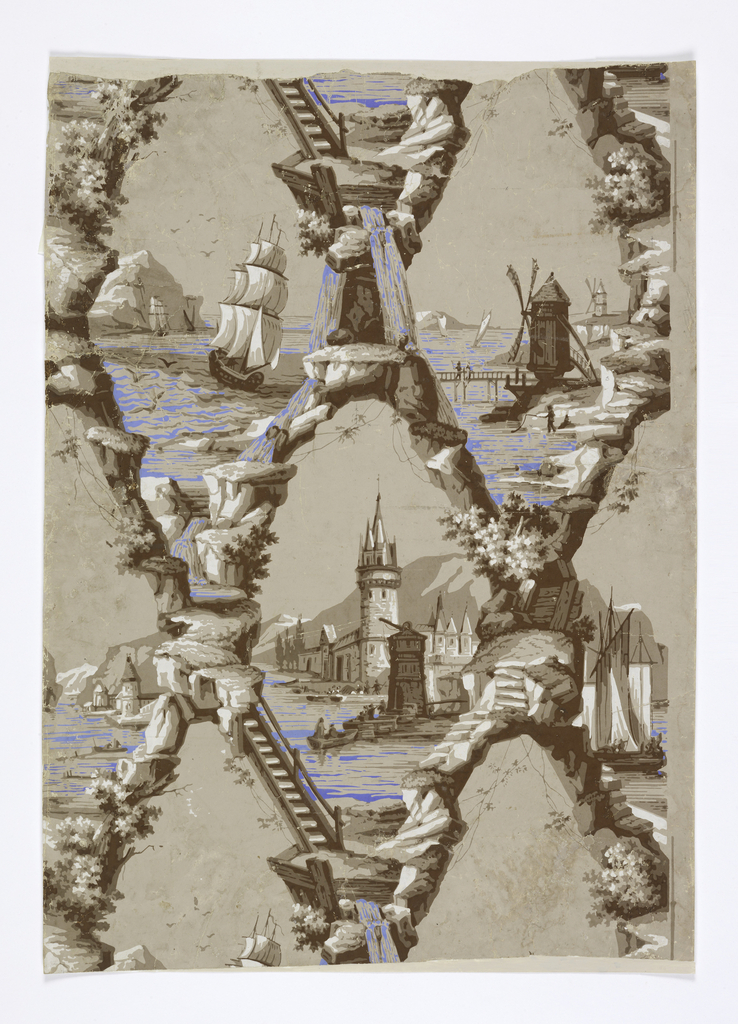
This sidewall is a lovely example of a mid-nineteenth century “medallion-style” wallpaper, and represents an oddly specific niche in the world of fashionable Victorian wallcoverings. Picturesque vignettes of a harborside town show seagulls and tiny little people busily living their lives against backdrops of windmills, sailing ships and even a chateau. The vignettes are arranged...
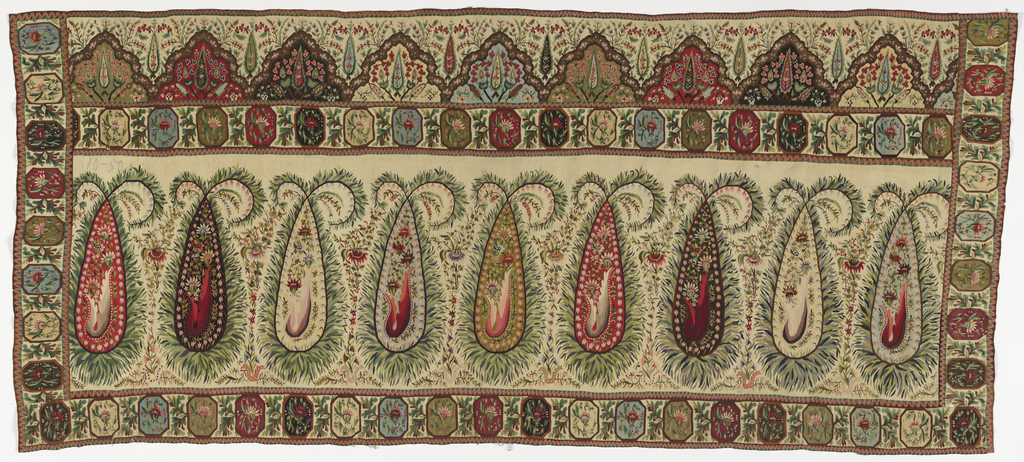
This distinctive, fully reversible shawl border was handwoven in Russia in the early nineteenth century to be part of a Kashmir-style shawl. It was woven such that the intricate floral design is identical on both sides of the fabric. Kashmir shawls were essential fashion accessories for stylish women of means in nineteenth-century Europe. Initially imported...
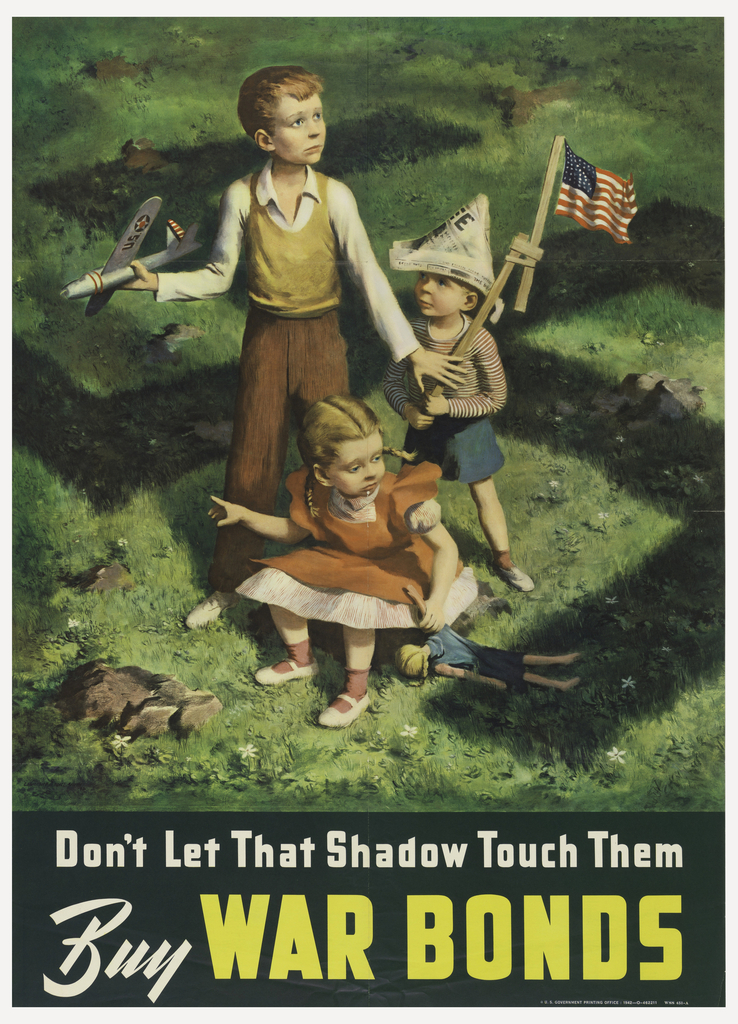
In the midst of World War II, the war effort was reliant upon the purchase of war bonds by the American population. In 1942, the military could not hold off the encroaching armies without the support of Americans. Graphic designer Lawrence Beall Smith dramatically presented the necessity of war bonds to the public by showing...
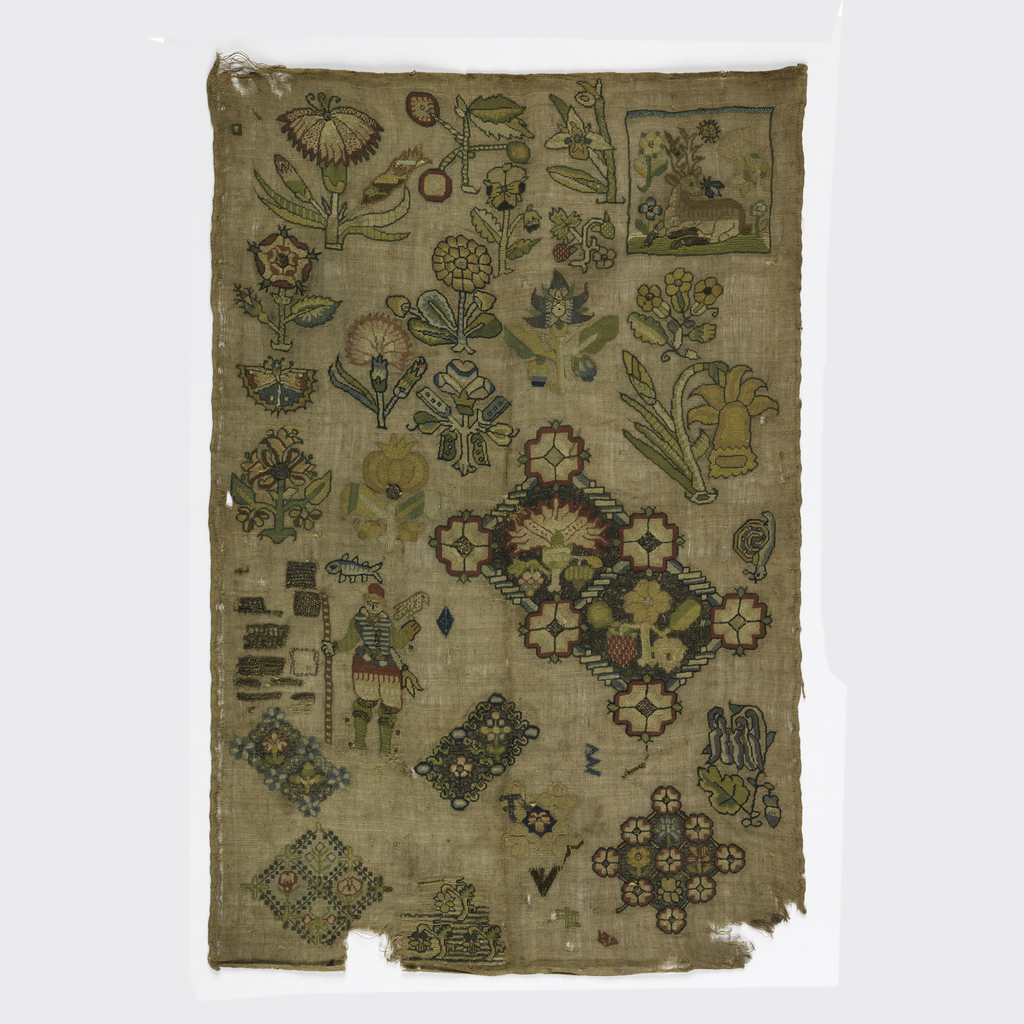
This spot sampler is one of a genre of 17th century samplers that truly embodied the name. Most samplers of the period had a structure, pleasant in appearance, which incorporated pattern bands, phrases, and information about the maker such as her name and the date she completed the work. However, spot samplers like this one...
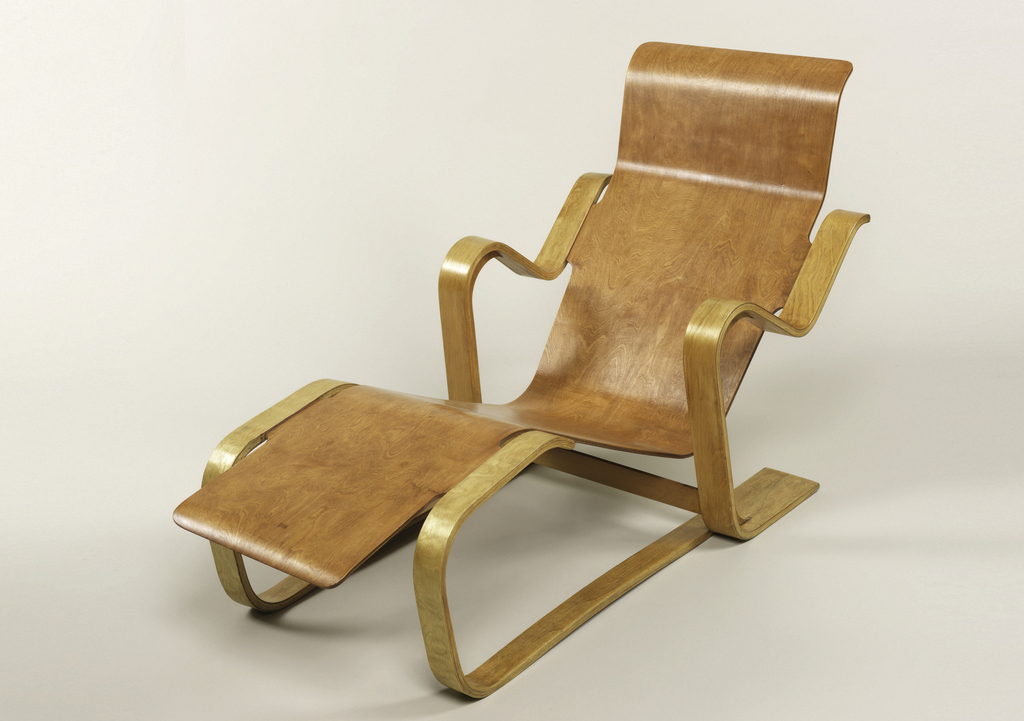
The Hungarian-born Marcel Breuer is perhaps best known for his tubular steel B3 (‘Wassily’) and B32 (‘Cesca’) chairs, which he designed while leading the carpentry workshop at the Bauhaus, after it moved from Weimar to Dessau, Germany, in 1925. Legend has it his experiments with tubular steel were inspired by his bicycle. Breuer, who was...
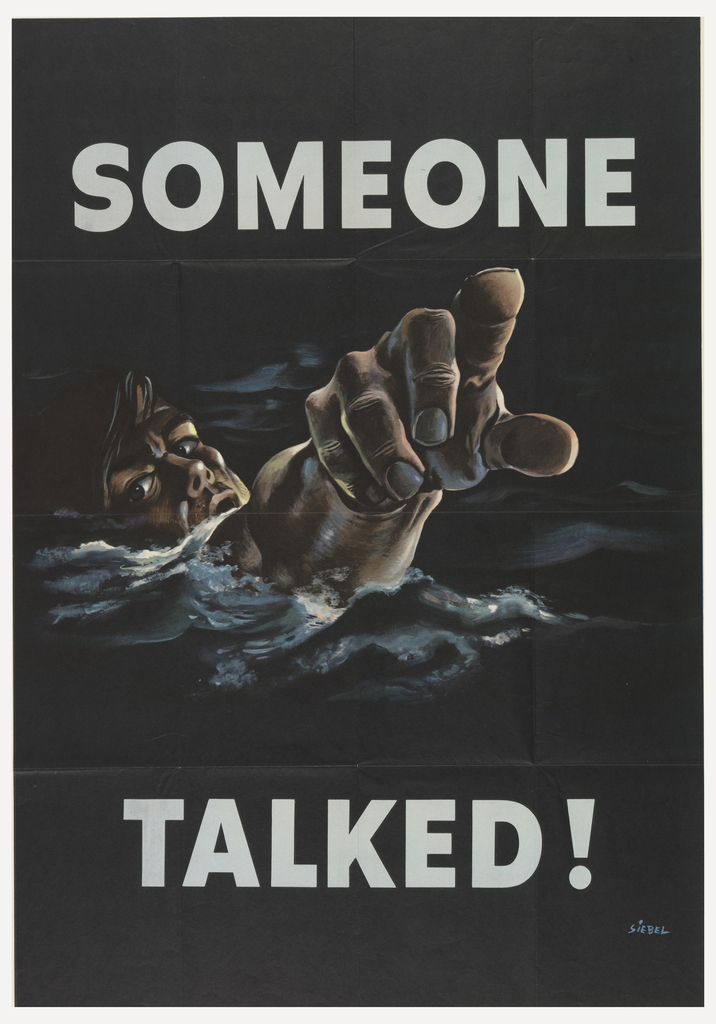
During World War II, poster competitions were held to solicit designs, under particular themes, to assist in the war effort. This poster, designed by Frederick Siebel, was submitted to alert Americans to the urgency of national security. For this contest each poster was subject to the scrutiny of First Lady Eleanor Roosevelt, who acted as...
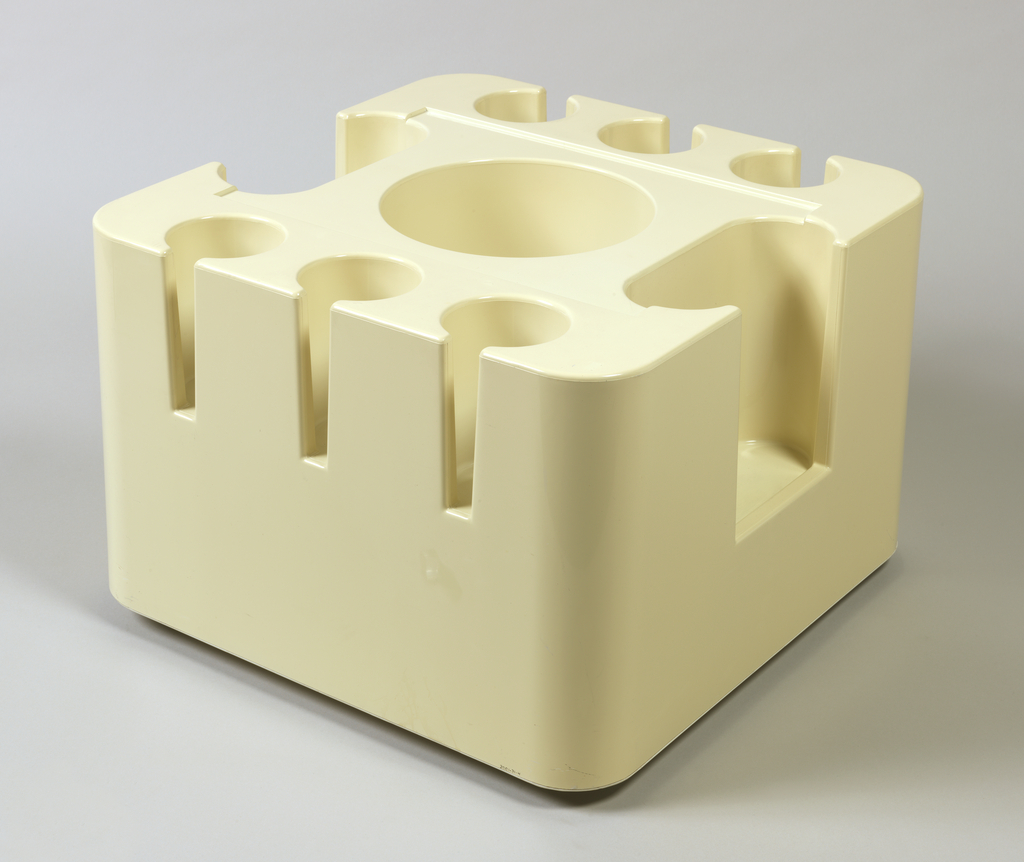
Bacco is the Italian name for Bacchus, the Roman god of wine and intoxication. The legendary festivals in his honor were devoted to wild drinking, freedom, and sexual promiscuity, and the word Bacchanalia has become synonymous with orgy. However, scholars debate the specifics of these events and are left with limited resources for interpretation. The...
