Professional Development Resources Copy
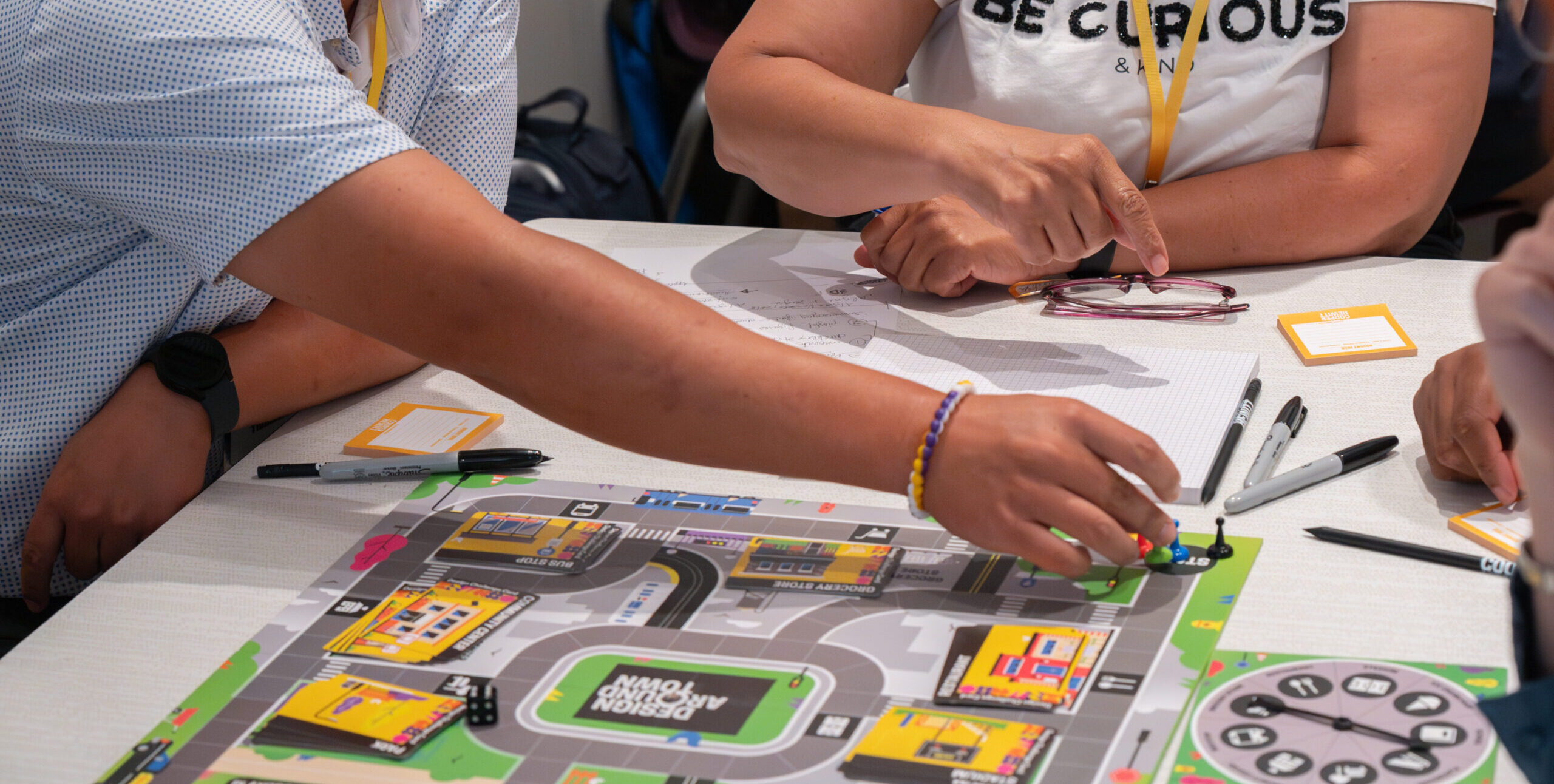
A close up photograph of a light skinned man wearing a blue shirt reaching across the table to a colorful board game that reads, “Design Across Town”.

Explore more learning resources

Professional development Resources

Design thinking is a versatile tool that benefits educators across all subjects and grade levels, year after year. It emphasizes collaboration, problem-solving, and critical thinking skills. Discover strategies and approaches to integrate design into your classroom through these materials and videos. Also explore K-12 Classroom Resources for design-based lesson plans and activities you can try in your classroom. For information on professional development workshops, visit Professional Development.


How to bring design into your classroom videos

Watch videos of previous Professional Development workshops and presentations to hear from museum educators, teachers, artists, and designers about how to incorporate design into the classroom.

Deconstructing Power: Using Data in the Classroom

A hand drawn sketch of a room or exhibit with a title that reads, “The intersectionality of gender + race”. On the main wall is a dot chart that represents black females in the arts. On the left is a poster that reads, “Art needs more color”.
Learn how W. E. B. Du Bois and the work of other data storytellers can help our students translate complex facts and figures into powerful imagery.

Using Design to Create the Next Generation of Sustainability Leaders

A close up a hand drawn sketch titled “Rain Scales”, that is filled with rough sketches and notes for how rain scales works.
Learn how students are empowered through Smithsonian resources to be changemakers in creating a more sustainable planet.

The Power of Imaginative Sight in Classroom Storytelling
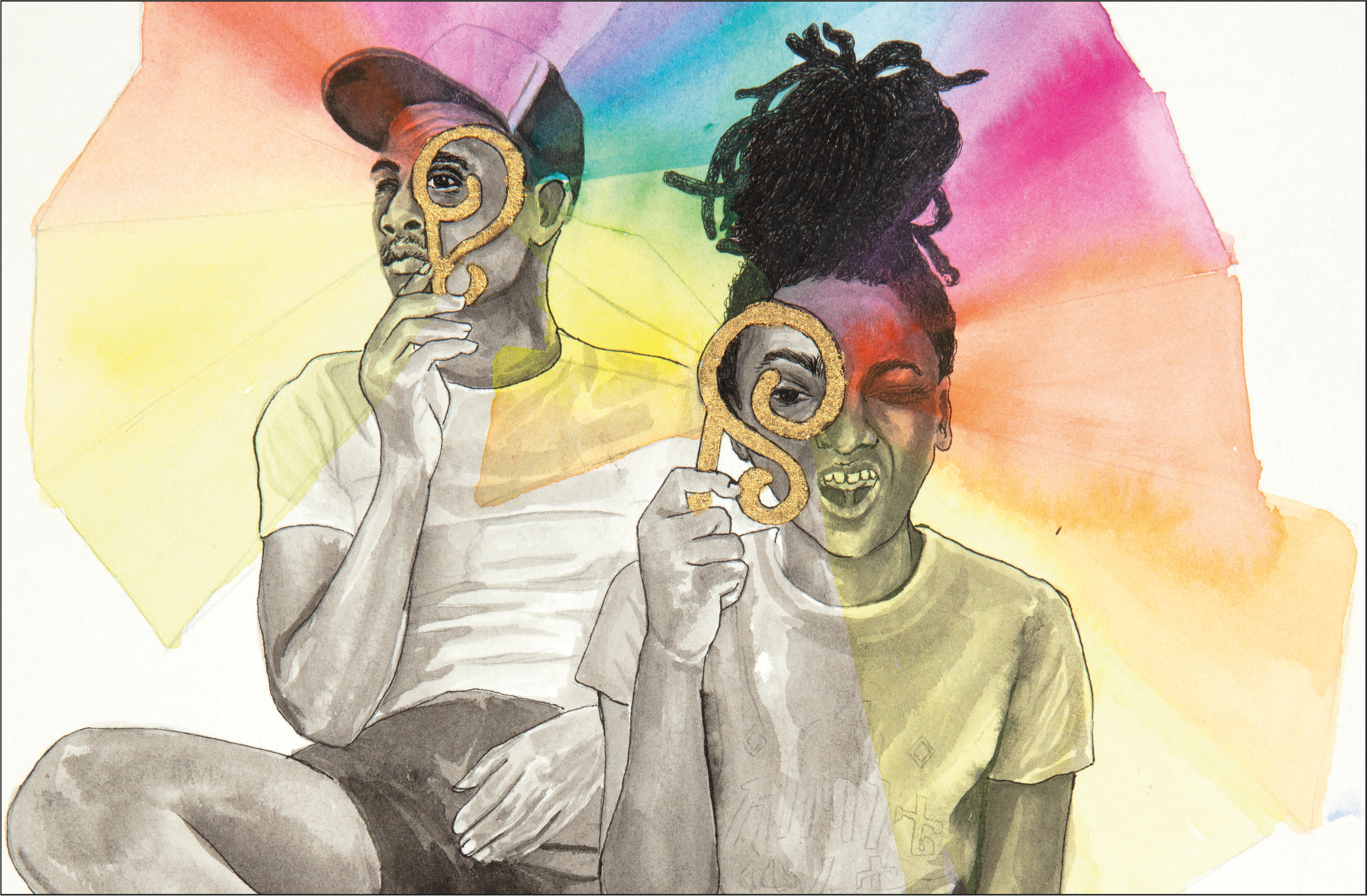
A realistic, hand drawn illustration of two dark-skinned teenagers sitting and holding up and looking through a Sankofa symbol. In the front, sits a dark skinned girl with braided cornrows, behind her sits a dark-skinned boy with a baseball cap. The sketch has a rainbow, watercolor wash over the top.
Learn how we might use objects of the past to tell stories for the future as we explore speculative thinking and storytelling in the classroom.

Ready, Set, Design: Build Your Design Literacy Toolkit
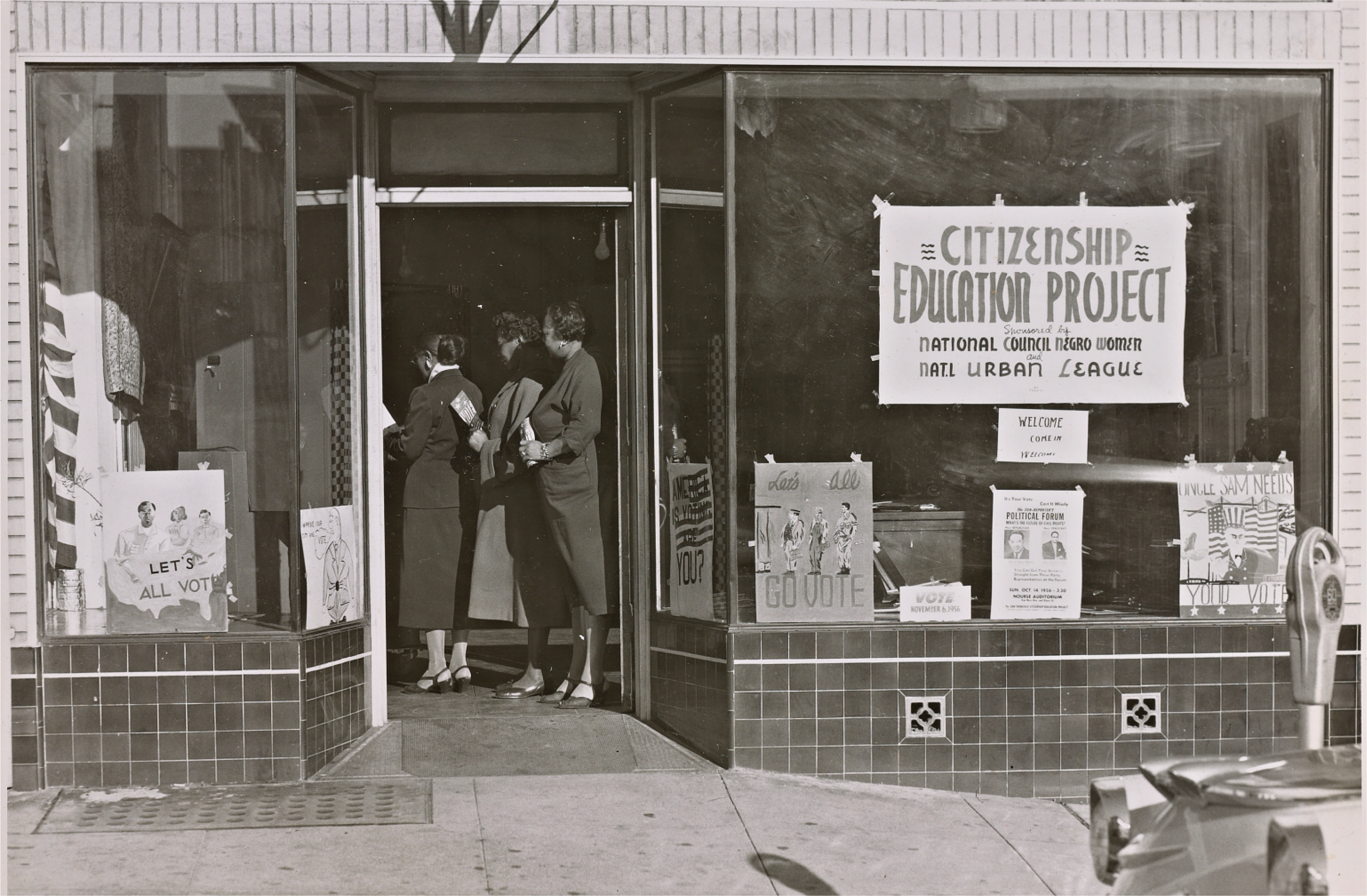
A black and white photograph of three dark-skinned woman standing in a doorway of a shop. In the window of the shop are political posters, such as one of figures holding a sign that says, “Let’s All Vote”. A large poster in the main window reads, “Citizenship education Project”.
Learn how educators can use the Smithsonian Learning Lab to support learning and teaching in their classroom.

DESIGNING FOR CHANGE TOOLKIT

Designing for change in a community does not fall solely on the shoulders of political leaders or professional designers but can be initiated and led by youth and everyday citizens. Explore this framework for the tools to be an agent of change, along with your students, in your community.

Youth as Agents of Change in Their Community Video

A photograph of three teenage girls of different skin tones standing in a kitchen and cutting fresh vegetables.
Learn how other educators used this toolkit to inspire students to be civically engaged and act as agents of change in their community.

Designing for Change Toolkit

A black and white graphic that reads, “Cooper Hewitt, Designing for Change Toolkit, Facilitator Version”.
This toolkit takes you step by step in demonstrating how the design process can lead to meaningful innovation in your community. Available in English and Spanish.

Engage youth to be innovators in their communities Video
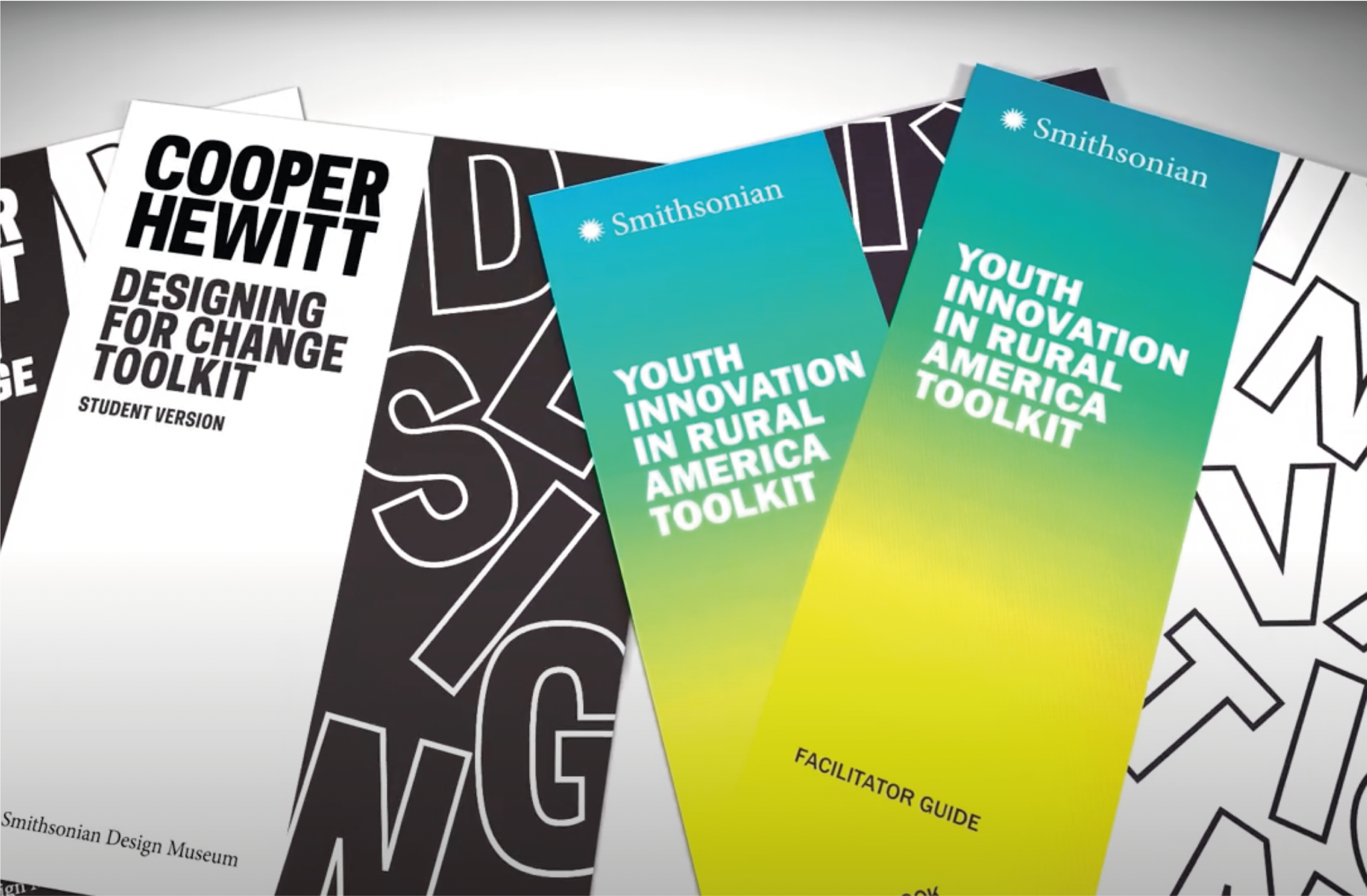
A graphic of brochures, one in black and white that reads, “Cooper Hewitt, Designing for Change Toolkit, Student Version”, and the other in shades of yellow and blue that read, “Youth Innovation in Rural America Toolkit”.
This video introduces the toolkit that offers educators approaches to work with youth and build connections to communities.